Clear Sky Science · en
Deconstructing the RAGE signaling maze: the molecular key to opening a new dimension of ovarian anti-aging
Why this matters for women’s health
Many women are choosing to have children later in life, but the ovaries do not easily follow our social timetable. This article explores how a little-known molecule, the receptor for advanced glycation end products (RAGE), links everyday metabolic stress to faster ovarian aging, fertility problems and even ovarian disease. Understanding this connection may open new ways to preserve reproductive health and delay the decline in egg quality and number.
How the ovaries age over time
From birth, women carry a finite pool of follicles, each holding an immature egg. With age, this reserve shrinks and the remaining eggs are more easily damaged. The article explains that aging ovaries are exposed to rising levels of oxidative stress and chronic low-grade inflammation. Harmful molecules called advanced glycation end products, which accumulate with aging, poor diet and diabetes, build up in ovarian tissue and follicular fluid. At the same time, hormone signaling between the brain, pituitary and ovaries becomes less synchronized, further reducing egg quality and hormone balance. 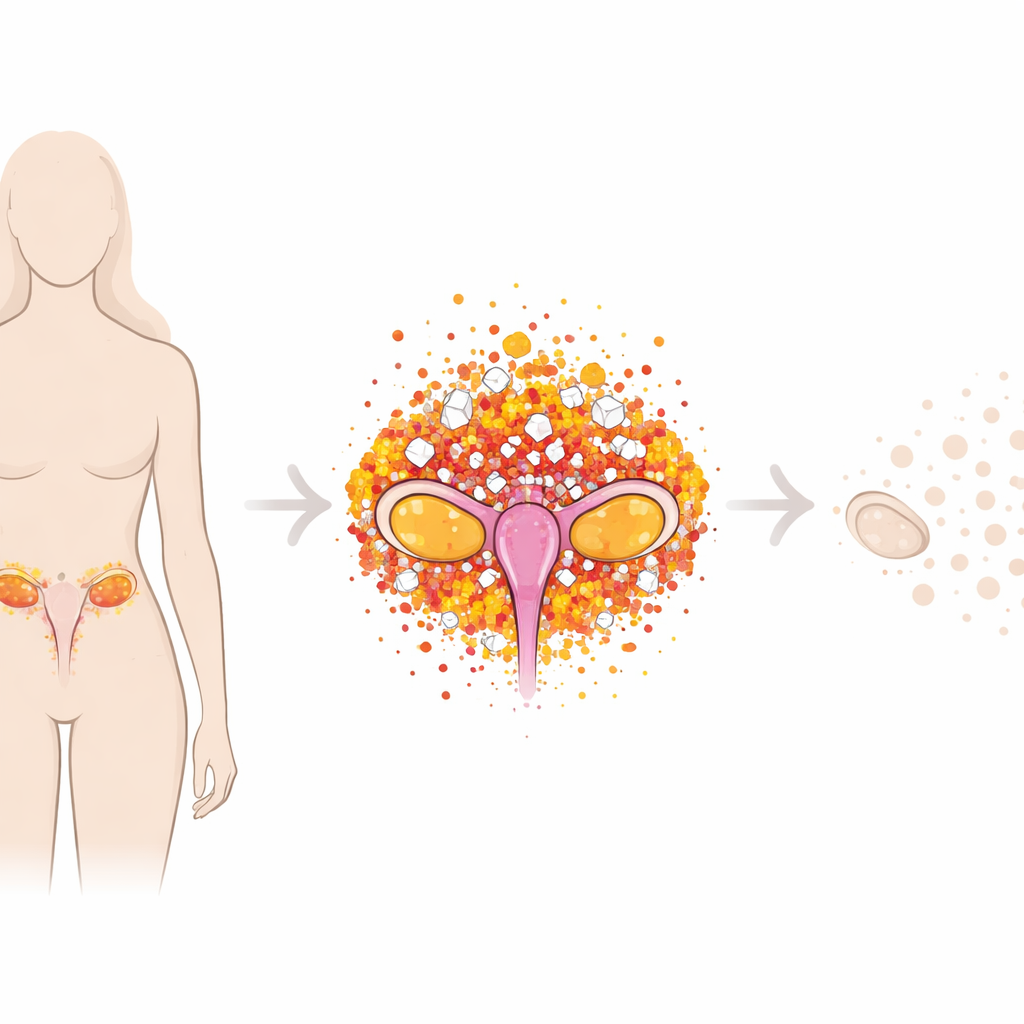
The RAGE doorway between metabolism and the ovary
RAGE sits on the surface of many cell types and acts like a molecular sensor for danger signals, including advanced glycation end products and inflammatory proteins. In healthy tissue, low background activity of RAGE can support normal repair processes. In the ovary, however, the review shows that RAGE becomes overexpressed with age and in conditions such as diabetes, polycystic ovary syndrome and premature ovarian failure. When excess ligands bind to RAGE, they trigger signaling cascades that boost inflammatory messengers, increase reactive oxygen species and disturb cell survival pathways. Because RAGE is found in granulosa cells, theca cells, ovarian stroma and blood vessels, its overactivation can disrupt almost every layer of ovarian function.
What RAGE does to eggs and their support cells
The authors describe several ways that RAGE-driven stress damages eggs. In oocytes, RAGE-linked pathways interfere with the cell cycle, weaken DNA repair systems and overload mitochondria, the cell’s energy factories. This raises the risk of chromosomal errors and egg death. In granulosa cells, which nurture the egg, RAGE activation pushes them toward harmful inflammation, oxidative injury and programmed cell death, while also disturbing their built-in recycling process, autophagy. These changes degrade the microenvironment around the egg, contribute to hormone imbalances and accelerate the loss of follicles. In the ovarian stroma, long-term RAGE signaling promotes scarring and stiffening of the tissue, which further restricts blood flow and follicle survival.
From aging ovary to disease
The same RAGE-centered processes that quietly age the ovary also appear in specific disorders. In premature ovarian failure, RAGE-related oxidative stress and inflammation speed up follicle depletion and blunt estrogen and progesterone production. In polycystic ovary syndrome, excess sugar-derived ligands and high androgens activate RAGE in ovarian and metabolic tissues, deepening insulin resistance, amplifying inflammation and disturbing hormone production. In ovarian cancer, high RAGE expression is linked to more aggressive tumors, greater spread and resistance to treatment, as RAGE signaling supports cancer cell survival, movement and remodeling of the surrounding tissue. 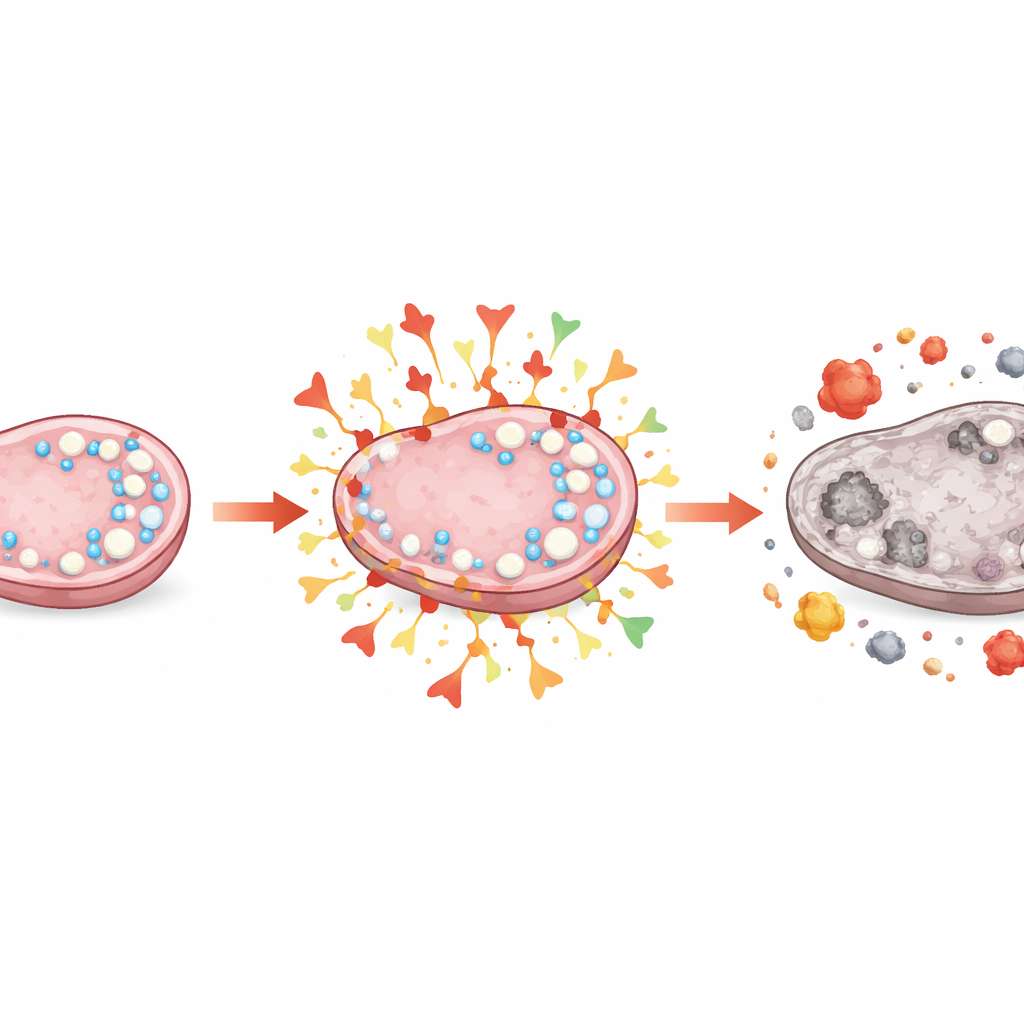
New routes to protect the ovaries
Because RAGE sits at the crossroads of metabolism, inflammation and aging, it is an attractive drug target. The review catalogs several experimental strategies, including small-molecule blockers such as Azeliragon and FPS-ZM1, soluble RAGE “decoys” that soak up harmful ligands, short peptides, DNA aptamers and natural compounds from herbs and foods. In animal and cell models, these approaches can reduce oxidative stress, calm inflammation, limit fibrosis and partially restore hormone output and follicle health. Although none are yet approved for ovarian indication, the work suggests that tailoring RAGE inhibition to the ovary could complement lifestyle changes and existing therapies to better preserve fertility and delay reproductive aging.
What this means for the future
To a lay reader, the main message is that the ovary is not just a passive clock; it actively senses metabolic and inflammatory stress, and RAGE is one of the key switches. By clarifying how this switch accelerates egg loss and fuels disorders from polycystic ovary syndrome to cancer, the article points to more precise ways to protect ovarian function. If future research can safely dial down RAGE activity in the ovary while sparing its useful roles elsewhere, it may become possible to extend the healthy reproductive span and improve outcomes for women facing fertility challenges or ovarian disease.
Citation: Bai, X., Zhang, G., Xiao, X. et al. Deconstructing the RAGE signaling maze: the molecular key to opening a new dimension of ovarian anti-aging. Exp Mol Med 58, 1063–1085 (2026). https://doi.org/10.1038/s12276-026-01678-3
Keywords: ovarian aging, RAGE signaling, female fertility, polycystic ovary syndrome, premature ovarian failure