Clear Sky Science · en
Targeting COL6A3-C5 with nigericin suppresses endotrophin formation and enhances insulin sensitivity in obesity
Why this research matters for everyday health
Obesity is often linked with type 2 diabetes and fatty liver disease, but the chain of events that connects extra body fat to high blood sugar is complex. This study uncovers a key missing link: a small protein fragment called endotrophin that builds up in fat tissue and makes the whole body less sensitive to insulin. The researchers also identify a natural compound, nigericin, that can block the formation of endotrophin and, in obese mice, restore healthier blood sugar control.
A hidden troublemaker inside body fat
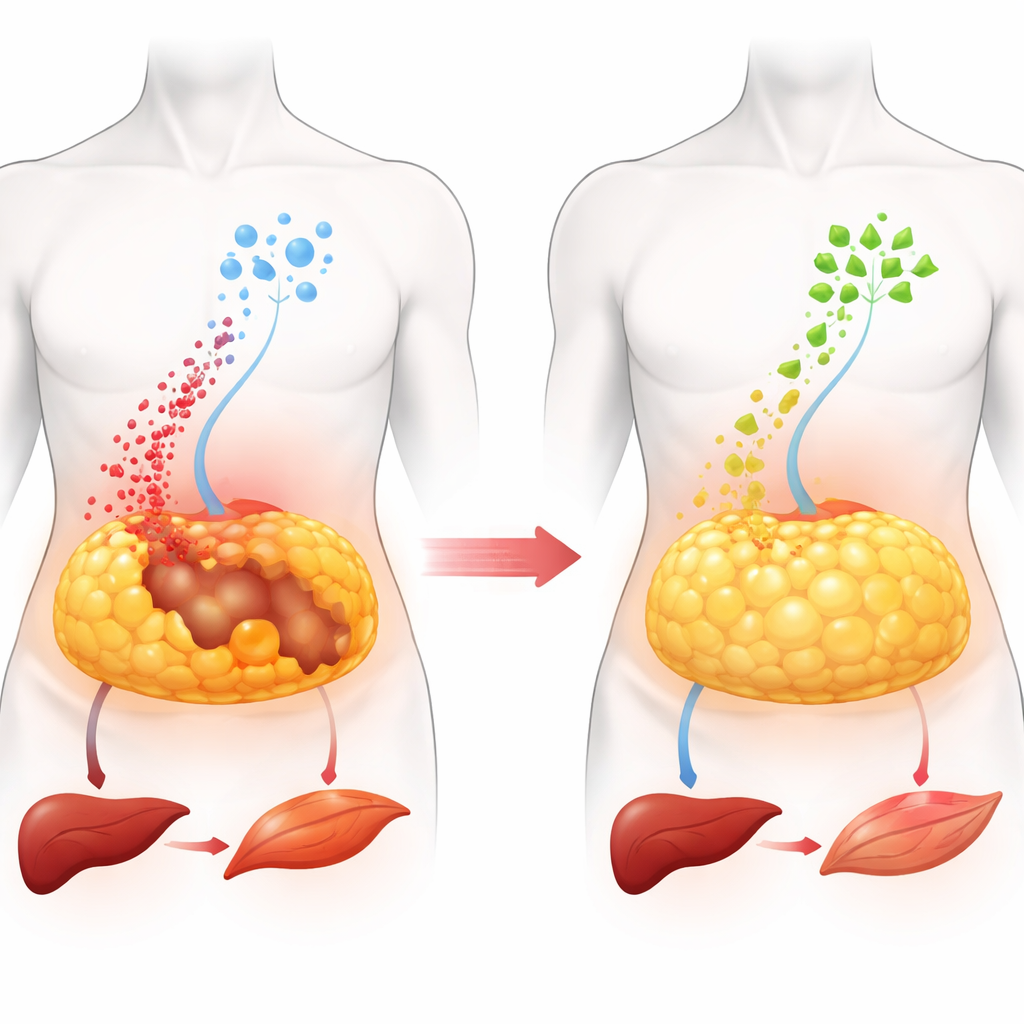
As fat tissue expands in obesity, many fat cells become poorly supplied with oxygen. In this low-oxygen state, cells switch on a stress program driven by a factor called HIF-1α, which in turn ramps up production of structural proteins and enzymes that remodel the tissue. One of these structural proteins, collagen VI, carries a tail end piece that, when cut off, becomes endotrophin. Endotrophin stiffens fat tissue, attracts immune cells and fuels chronic, low-grade inflammation. High levels of this fragment have been tied to diabetes, kidney and heart disease, and several cancers, suggesting it is a powerful driver of long-term complications.
Searching nature’s library for a blocker
The team screened more than a thousand natural compounds from plants, fungi and other sources, looking for molecules that could both damp down the HIF-1α stress program and reduce cutting of endotrophin from its parent collagen. Using engineered cells that glow when this cutting occurs, they narrowed the list to a handful of promising candidates. Among these, the antibiotic-like compound nigericin stood out: at very low doses, it sharply reduced endotrophin production and restored insulin signaling in fat cells kept under oxygen-poor, diabetes-like conditions.
How nigericin shields collagen from cutting
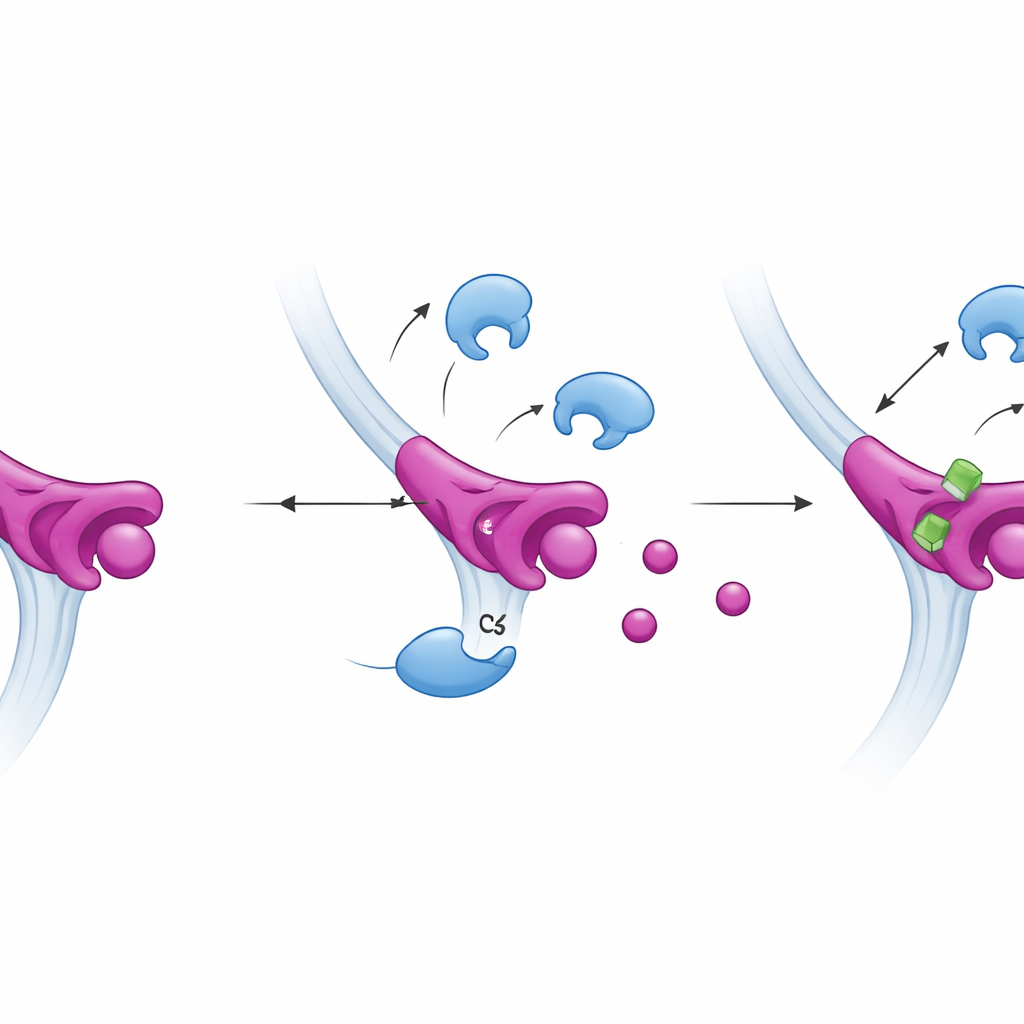
Further experiments revealed that nigericin acts in an unexpectedly precise way. Normally, a family of enzymes called metalloproteinases latch onto a specific tip (the C5 domain) of the collagen VI chain and snip off endotrophin. The researchers showed that nigericin does not blunt these enzymes outright. Instead, it binds directly to the C5 tip itself, occupying the same contact points that the enzymes use. Structural computer models, biochemical binding tests and protein pull-down assays all supported this picture: nigericin plugs a pocket on C5, prevents the enzymes from grabbing hold, and thereby keeps endotrophin from being released, even though the enzymes remain active toward other targets.
From petri dish to obese mice
To see whether this molecular protection matters in a living animal, the scientists treated mice that had been made obese on a high-fat diet with low doses of nigericin for three weeks. The compound did not change body weight, but it clearly reshaped the internal environment of their fat depots. Markers of scarring and inflammation in abdominal fat dropped, collagen fibers became less thick and disorganized, and fewer immune cell clusters were seen under the microscope. Importantly, the mice cleared sugar from their blood more efficiently during glucose and insulin tolerance tests, and their livers accumulated less fat, all signs of improved whole-body metabolism.
Balancing benefits and safety
Nigericin is known at high doses to trigger a powerful inflammatory alarm system in immune cells, which could be harmful. This study highlights a useful separation of effects: concentrations far below those that activate this alarm were enough to block endotrophin formation and improve insulin sensitivity, without causing obvious liver or kidney toxicity in mice. The authors argue that this kind of “substrate shielding” strategy—blocking access to a harmful cut site rather than disabling the cutting enzymes everywhere—could be a safer way to tackle fibrotic, inflamed tissues in obesity, diabetes and even solid tumors where endotrophin levels run high.
What this could mean for future treatments
In simple terms, the work shows that protecting a vulnerable spot on a structural protein in fat tissue can calm inflammation and help the body respond better to insulin, even without weight loss. While nigericin itself will require careful safety evaluation before any human use, its success in this model points toward a new class of drugs that specifically prevent endotrophin release. Such medicines could complement existing diabetes therapies by targeting the unhealthy “soil” of obese fat tissue, potentially reducing the risk of organ damage that builds up over years of living with metabolic disease.
Citation: Kim, CS., Jo, W., Yoo, J. et al. Targeting COL6A3-C5 with nigericin suppresses endotrophin formation and enhances insulin sensitivity in obesity. Exp Mol Med 58, 768–781 (2026). https://doi.org/10.1038/s12276-026-01661-y
Keywords: endotrophin, obesity, insulin resistance, adipose fibrosis, nigericin