Clear Sky Science · en
On whom do you rely—me, myself, and I? competence and control beliefs applied to the related personality model
Why your sense of control is not just about you
When we think about feeling “in control” of our lives, we often picture a lone individual relying on willpower and skill. But in many cultures, people see control as something shared with family, community, or even fate and higher powers. This article asks a simple but far-reaching question: on whom do you rely—only on “me, myself, and I,” or also on “we, us, and what surrounds us”? By comparing people in Germany and Kenya, the authors explore how personal confidence, belief in others, and views about how the world works all fit together into a broader picture of personality.
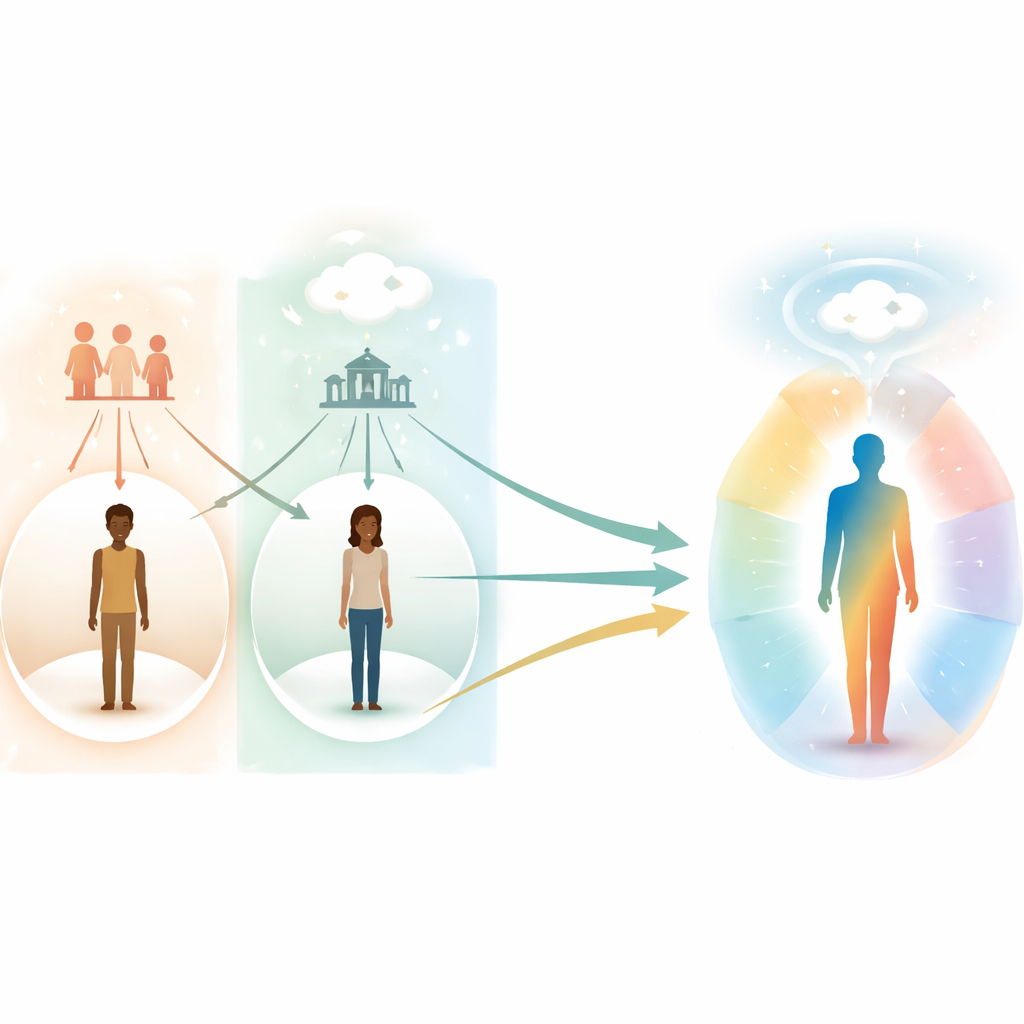
Two ways of seeing the self
Modern personality research increasingly views people not just as isolated individuals, but as beings who are both independent and deeply connected to others. The study builds on a model that treats personality as having two sides: a “self” side (how capable and responsible you feel) and a “relatedness” side (how you see your ties to other people, institutions, and larger forces). In many Western settings, feeling in control usually means believing “I can do it myself.” In many non-Western settings, control can also mean “we can do it together,” or “things unfold as part of a larger order.” The authors argue that to truly understand control, psychology must take both sides into account.
What the researchers measured
The team surveyed 182 adults, half in Germany and half in Kenya. They measured three main ingredients. First was inner confidence: how strongly people believe they can handle challenges and shape outcomes through their own efforts. Second was trust in outside forces: the sense that powerful others, luck, fate, or higher powers also steer what happens. Third was relatedness, captured in two ways: broad beliefs about how the social world operates (for example, whether effort is rewarded or society is driven by fate), and everyday social skills such as reading emotions, expressing oneself, and managing interactions. Instead of simply comparing average scores between countries, the authors focused on how these ingredients relate to one another within each cultural setting.
How beliefs and relationships intertwine
The analyses showed that feelings of competence and control are tightly woven together with social beliefs and skills. In the German group, people who felt generally capable tended to doubt that fate rules everything, and instead saw social life as complex and changeable. Their self-confidence linked to particular styles of social behavior—for instance, being expressive but not overly sensitive to subtle social cues. Belief in external forces, such as powerful others or chance, came with more social and emotional sensitivity and with more cynical views of society. In the Kenyan group, one broad confidence measure behaved differently, but a more nuanced measure again revealed strong ties: confident participants expected their efforts to be rewarded and saw society as intricate rather than rigidly controlled by fate, while external beliefs were tied to watching social situations closely, even if people felt less able to steer them.
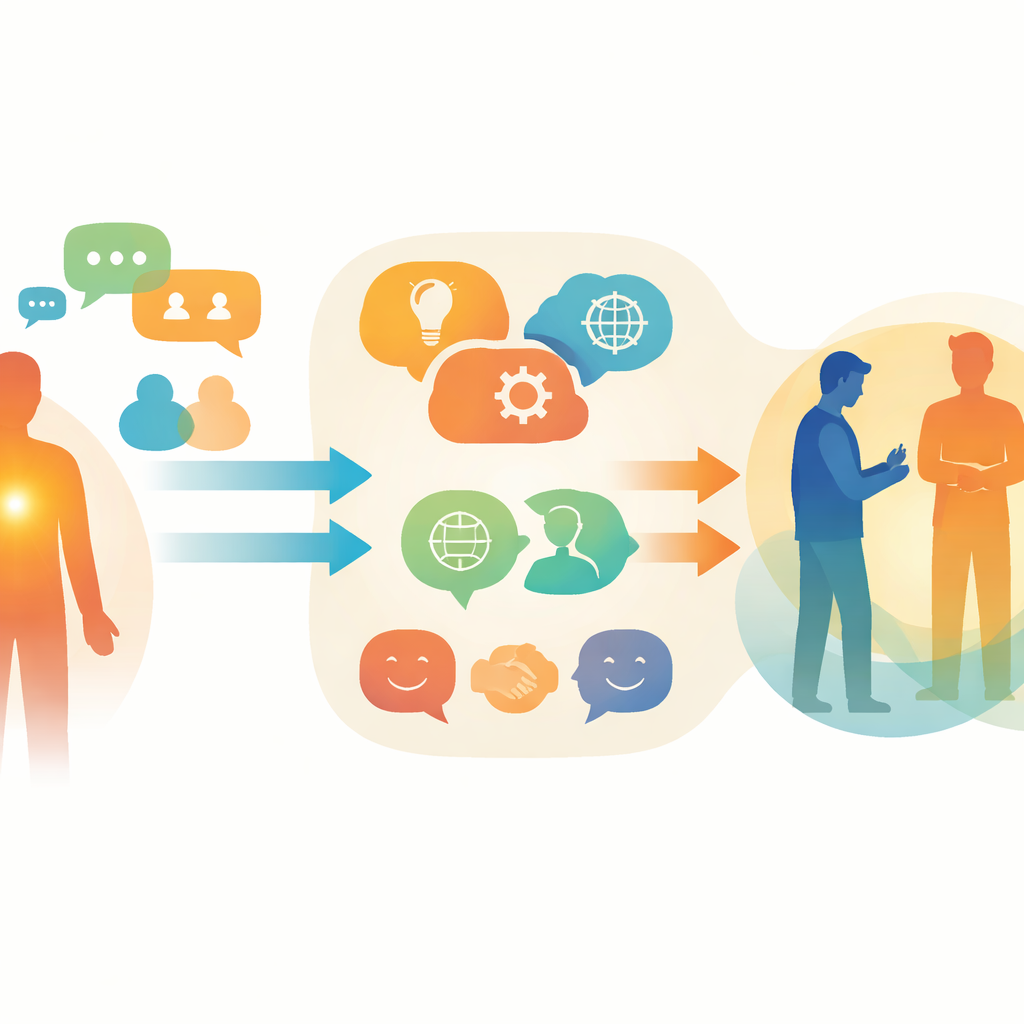
Rethinking “internal” and “external” control
Psychology has long treated internal and external control as near-opposites—either you believe outcomes depend on you, or you believe they depend on outside forces. This study suggests that reality is more blended. Internal and external beliefs showed similar strengths of connection to people’s social views and skills in both countries. In other words, knowing how the social world works and how to move within it appears important whether you rely on yourself, on others, or on both. External beliefs—about family, leaders, fate, or higher powers—did not simply signal helplessness; they often functioned as resources, helping people feel supported and better able to navigate complex situations.
What this means for understanding people today
The authors conclude that psychological tools built around a narrow, individualistic idea of control no longer fit our interconnected world. Measures that focus only on inner strength risk missing how much people draw power from relationships, communities, and shared beliefs about fate or faith. They call for updated questionnaires and theories that recognize control as both personal and social, both independent and interdependent. For everyday life, the message is that feeling capable does not have to mean standing alone; it can also mean knowing when and how to rely on others and on the wider systems that shape our lives.
Citation: Heinecke-Müller, M., Arasa, J.N. & Quaiser-Pohl, C.M. On whom do you rely—me, myself, and I? competence and control beliefs applied to the related personality model. Humanit Soc Sci Commun 13, 342 (2026). https://doi.org/10.1057/s41599-026-07043-z
Keywords: self-efficacy, control beliefs, personality, social context, cross-cultural psychology