Clear Sky Science · en
Upholding academic integrity: an exploratory study of AI-assisted detection of unauthorised machine translation use in student translations
Why this matters for students and teachers
As online translators and chatbots become everyday study tools, it is getting harder for teachers to know when a piece of student work truly reflects the learner’s own skills. This article looks at whether a writing-analysis program can help teachers spot hidden use of machine translation in language classes, and what this means for fairness and trust in education.
The rise of digital helpers in language learning
Tools like Google Translate and large chatbots can now produce smooth, often impressive translations in seconds. Used wisely, they can support reading, listening, and even writing practice. But when students quietly paste these outputs into assignments that are meant to show their own ability, the line between “smart help” and “cheating” becomes blurred. The authors define “unauthorised” use as copying sentence-level or longer pieces from such tools into written work without permission or required disclosure. This matters because it can hide what students can really do, and undermines the honesty and fairness that academic integrity depends on.
How the study was set up
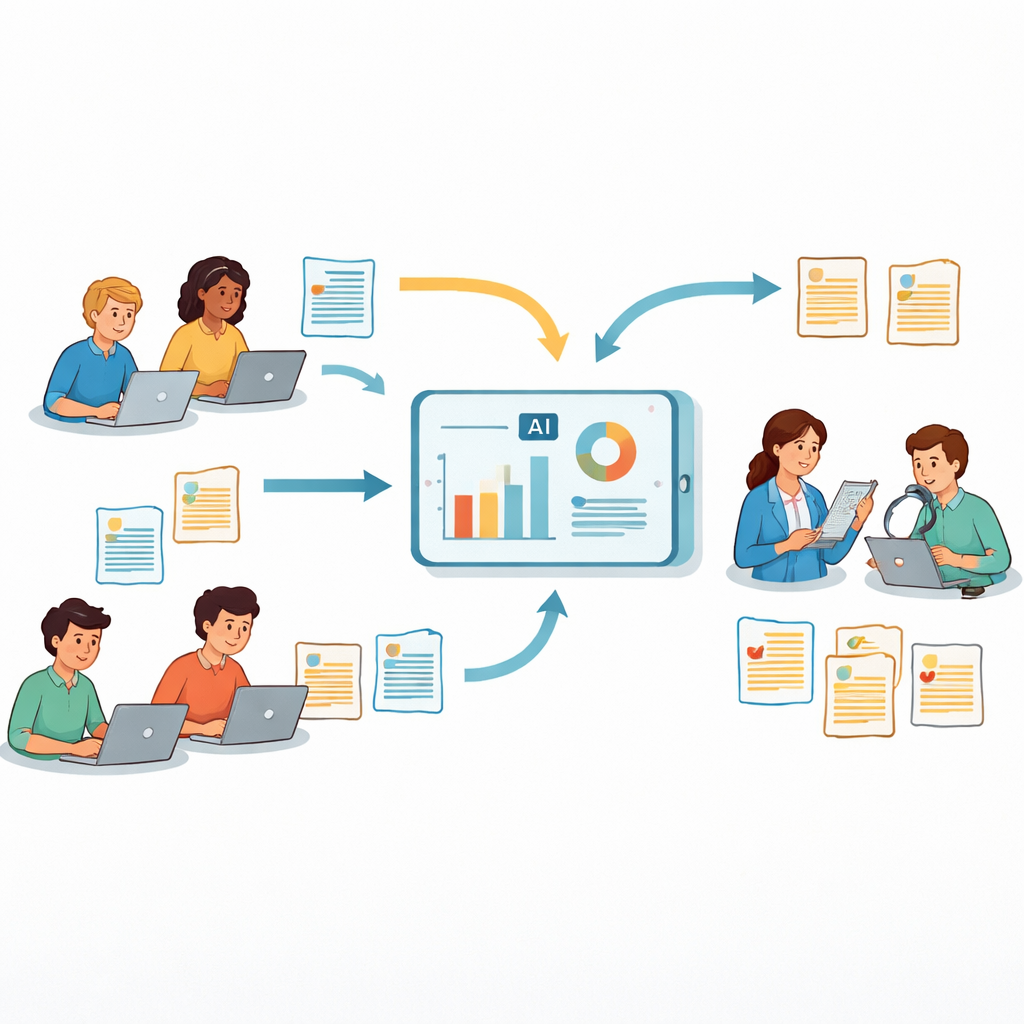
To explore whether technology can assist teachers in spotting this kind of hidden help, the researchers ran a two-stage experiment at a Chinese university. First, 39 learners of English with intermediate to upper-intermediate skills completed two short Chinese-to-English translation tasks. One group translated completely on their own, one group post-edited output from Google Translate, and another post-edited output from ChatGPT. This produced 78 student translations under three different conditions. Second, 78 English teachers were asked to judge whether each sample they saw had been machine-aided or not, and to note the language clues they relied on. Half the teachers made these decisions unaided. The other half were given a compact report from ProWritingAid, an AI-powered tool that summarizes features such as grammar accuracy, typical sentence length, and how often linking words are used.
What the AI report changed
The central finding is that teachers who had access to the AI report were much more accurate in their judgments. On average, unaided teachers were correct about half the time, while those using ProWritingAid were right in about three out of four cases. The tool did not tell them which texts were machine-aided; instead, it highlighted measurable patterns in the writing. For example, some translations showed unusually high correctness, complex wording, or dense use of connectors, compared with what teachers would expect from this group of learners. The report made these contrasts easier to see across several samples at once, giving teachers a stronger basis for suspicion or reassurance.
Different tools, different footprints
The study also found that not all machine-aided texts were equally easy to detect. In this setting, translations shaped by ChatGPT were identified most often, those involving Google Translate least often, and human-only work fell in between. One likely reason is that ChatGPT’s output sometimes looked “too good for this level” in vocabulary and flow, creating a sharp contrast with typical student work. In contrast, lightly edited Google Translate output could resemble what an intermediate learner might realistically produce, making it harder to distinguish from genuine work. The researchers caution that these results are tied to this particular task, language pair, and student group, and might play out differently elsewhere.
The clues teachers really use
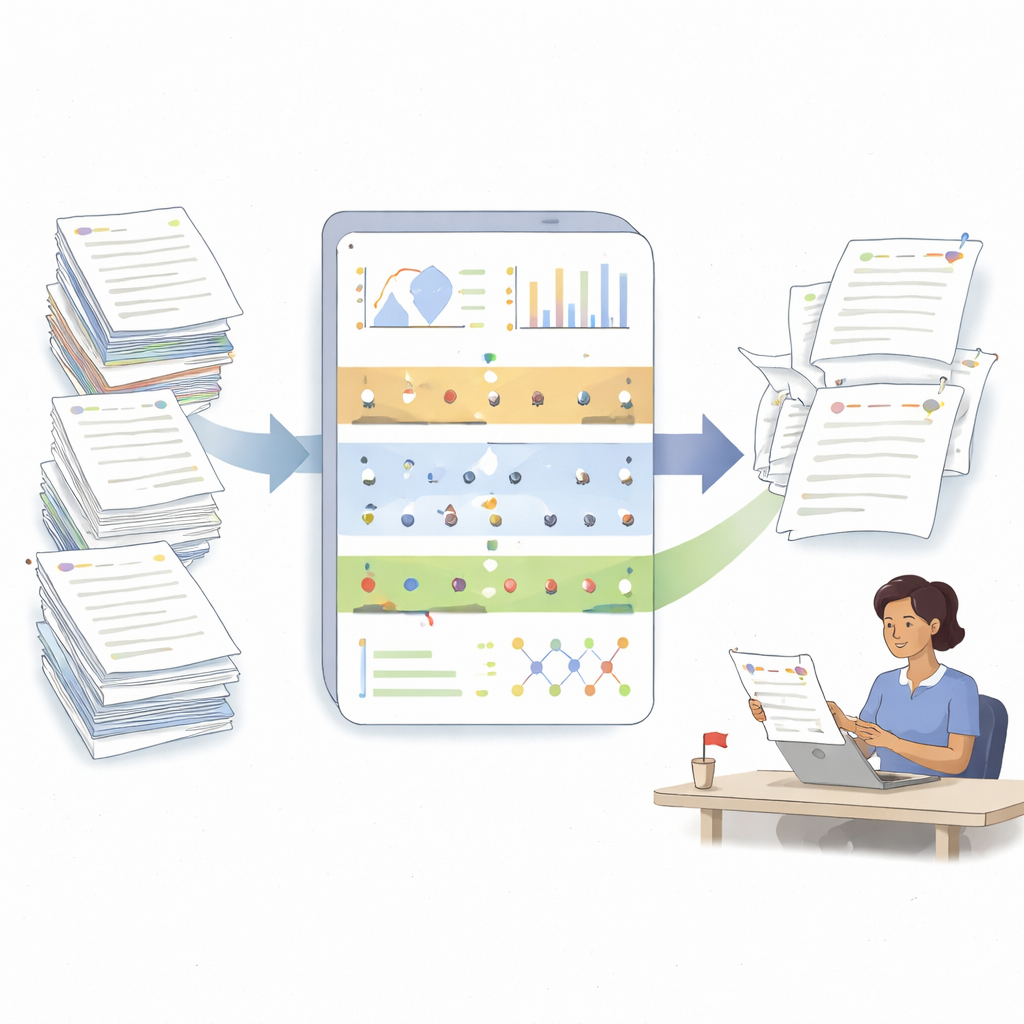
When teachers explained their decisions, most pointed not to glaring mistakes but to strengths that seemed out of character: advanced word choice, very polished sentences, strong cohesion, and a near absence of errors. Classic machine “blunders” such as odd phrasing or wrong word choice were mentioned much less often. Teachers with access to the AI report cited a wider mix of clues per decision, suggesting that the tool encouraged them to cross-check several aspects of the text rather than rely on a single hunch. While this broader view helped overall accuracy, it also carries a risk: truly excellent student work can be misread as suspicious simply because it exceeds expectations.
What this means for fair assessment
For readers outside the field, the main takeaway is that AI can indeed help teachers spot hidden use of machine translation, but it is not a magic lie detector. Even with support from analytics, some genuine work is wrongly flagged and some machine-aided work slips through. The authors argue that such tools should guide, not replace, human judgment, and that any “red flag” should lead to careful review rather than automatic punishment. They also call for clear classroom rules on when and how translation tools may be used, and for training that helps both teachers and students understand the strengths and limits of these technologies. Used in this balanced way, AI can support more honest, transparent language learning rather than working against it.
Citation: Zhou, X., Wang, X. Upholding academic integrity: an exploratory study of AI-assisted detection of unauthorised machine translation use in student translations. Humanit Soc Sci Commun 13, 331 (2026). https://doi.org/10.1057/s41599-026-06827-7
Keywords: academic integrity, machine translation, language assessment, AI writing analytics, translation education