Clear Sky Science · en
Home alone: solo living pathways, everyday experiences and policy implications for sharing and sustainability
Why Living Alone Matters for All of Us
Across much of the rich world, more people than ever are living by themselves, and Denmark is at the forefront of this shift. Nearly half of Danish homes now have just one occupant. That may sound like personal freedom—and for many it is—but it also means more energy use, more housing demand and, often, more loneliness. This article looks closely at what it actually feels like to live alone in Denmark, why people end up in solo households, and how smarter housing and social policies could turn private homes into places that are better for both people and the planet. 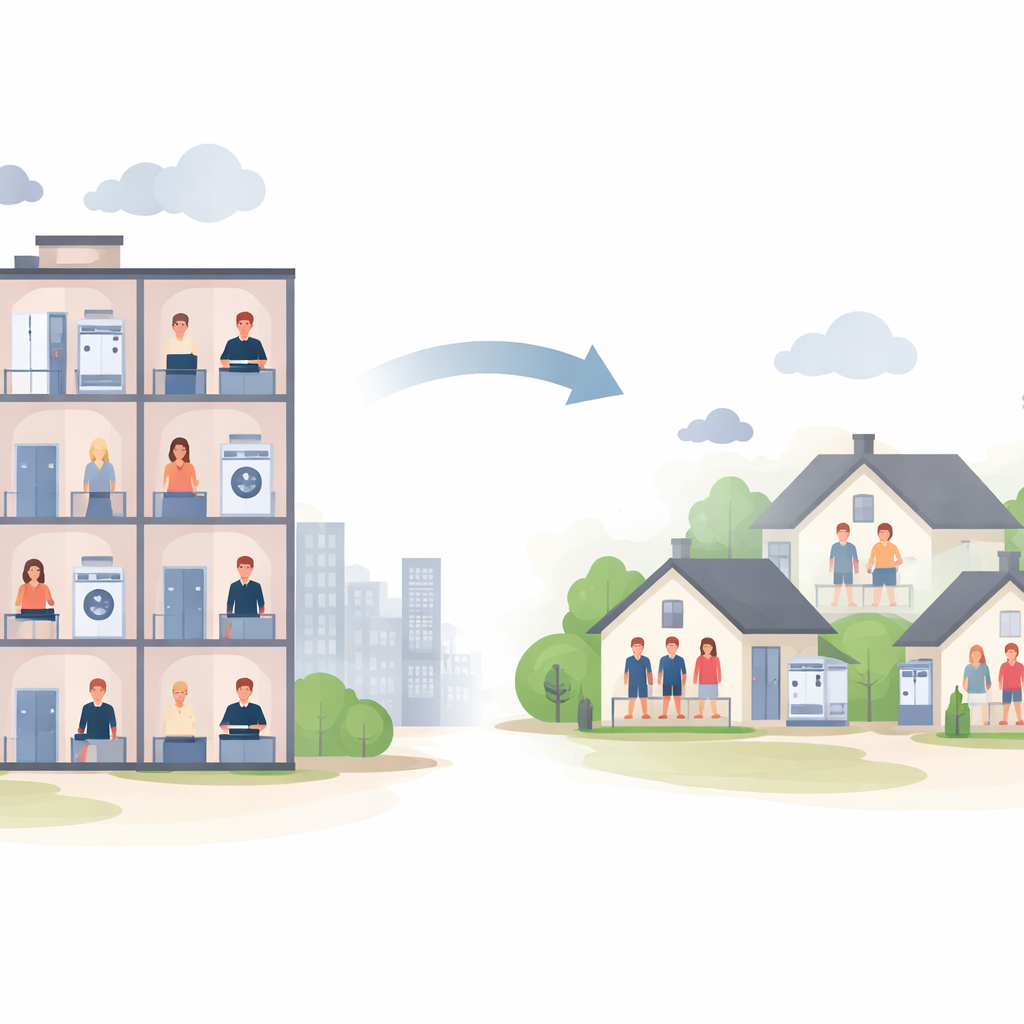
Different Roads to Living Solo
The study is based on in-depth interviews with 23 people, aged 27 to 90, who live alone across Danish cities and suburbs. Rather than treating solo dwellers as one group, the author identifies four main paths into this way of life. “Urban transplants” move for work or study and, lacking local networks or affordable shared options, land in one-person flats. “Age outers” drift out of shared homes as they grow older, tired of constant negotiation over cleaning, noise and guests. “Empty nesters” remain in family-sized homes after children leave or partners die. Finally, “solitude seekers” actively choose their own space, sometimes to protect their mental health or to avoid the unpaid care work that can come with couple life. Many people fit more than one of these stories over time.
Hidden Costs of Extra Space
Looking around interviewees’ homes, the researcher found something striking: lots of spare rooms and unused corners. Each of these spaces must be built, heated and maintained, even when no one sleeps or works there. Because one-person households still need their own kitchens, washing machines and gadgets, they tend to use more resources per person than larger households. Earlier work by the same team shows that Danish solo dwellers can have roughly double the climate footprint of people in big shared homes. In other words, how many people share a roof is almost as important for the environment as what kind of light bulbs they buy. 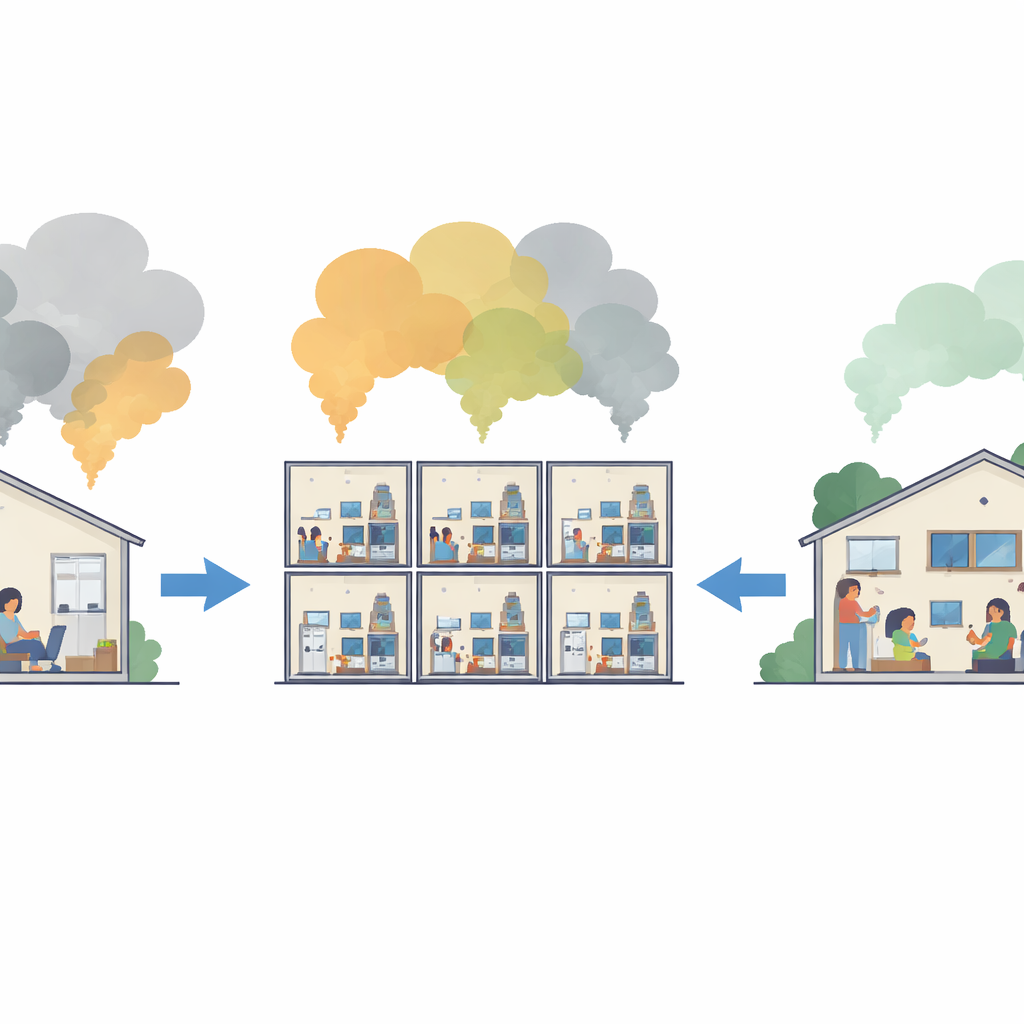
Freedom, Pressure and the Social Side of Solo Life
The interviews reveal sharp gender contrasts. Many women described living alone as liberating. Younger women felt less pressure to marry or have children, and older women who had previously cared for partners or families relished being able to organise their homes and time entirely for themselves. Several said they would not move in with a partner again, even if they fell in love. Many men, by contrast, saw solo living as a temporary setback. Most hoped for a future partner and even bought or rented larger homes in anticipation, which sometimes deepened their sense of failure when those plans did not materialise. Across both genders, more than half of participants spoke spontaneously about loneliness. Some invested great effort in hobbies, friendships and social events, while others relied on apps and paid services instead of neighbours or relatives, missing out on the quiet support that comes from simply sharing a hallway or kitchen with others.
Imagining Shared Futures
When asked about the future, older solo dwellers mostly wanted to “age in place,” expecting public services to help if they became frail. Younger participants were more likely to picture creative forms of shared housing later in life—such as small co-living communities with friends, private rooms clustered around shared kitchens, or “elder collectives” that mix companionship with mutual help. Yet even those who liked these ideas often saw few practical ways to make them real. Shortages of flexible, affordable shared housing, strict rental rules and the strong cultural pull of the nuclear family all nudge people toward living alone, even when they might happily share.
What This Means for Society and the Planet
The article argues that solo living is not simply a private choice but a social pattern with big consequences. Because many people live alone unintentionally and are open to sharing under the right conditions, the author sees a clear opening for policy. Encouraging well-designed shared homes, making it easier and safer to rent out spare rooms, and supporting fair divisions of housework in couples could shrink carbon footprints while easing loneliness and housing shortages. At the same time, policies must respect those who truly need or prefer their own space, including some people with mental health concerns. Done thoughtfully, supporting more shared living could become a “low-hanging fruit”: a practical way to cut emissions and strengthen everyday social ties without waiting for new technology.
Citation: Jack, T. Home alone: solo living pathways, everyday experiences and policy implications for sharing and sustainability. Humanit Soc Sci Commun 13, 298 (2026). https://doi.org/10.1057/s41599-026-06674-6
Keywords: solo living, shared housing, sustainability, loneliness, housing policy