Clear Sky Science · en
Majority views and confidence information promote informed decisions
Why listening to others can sharpen our judgment
Every day we face questions where the answer isn’t obvious—Is this news story true? Is a claim about health or politics accurate? Online, one way we cope is by looking at what other people think: reviews, likes, polls, and comment threads. This study asks how ordinary people actually use such crowd opinions, and especially others’ confidence in their answers, to make better—or sometimes worse—decisions about factual true-or-false questions.
How the study tested crowd influence
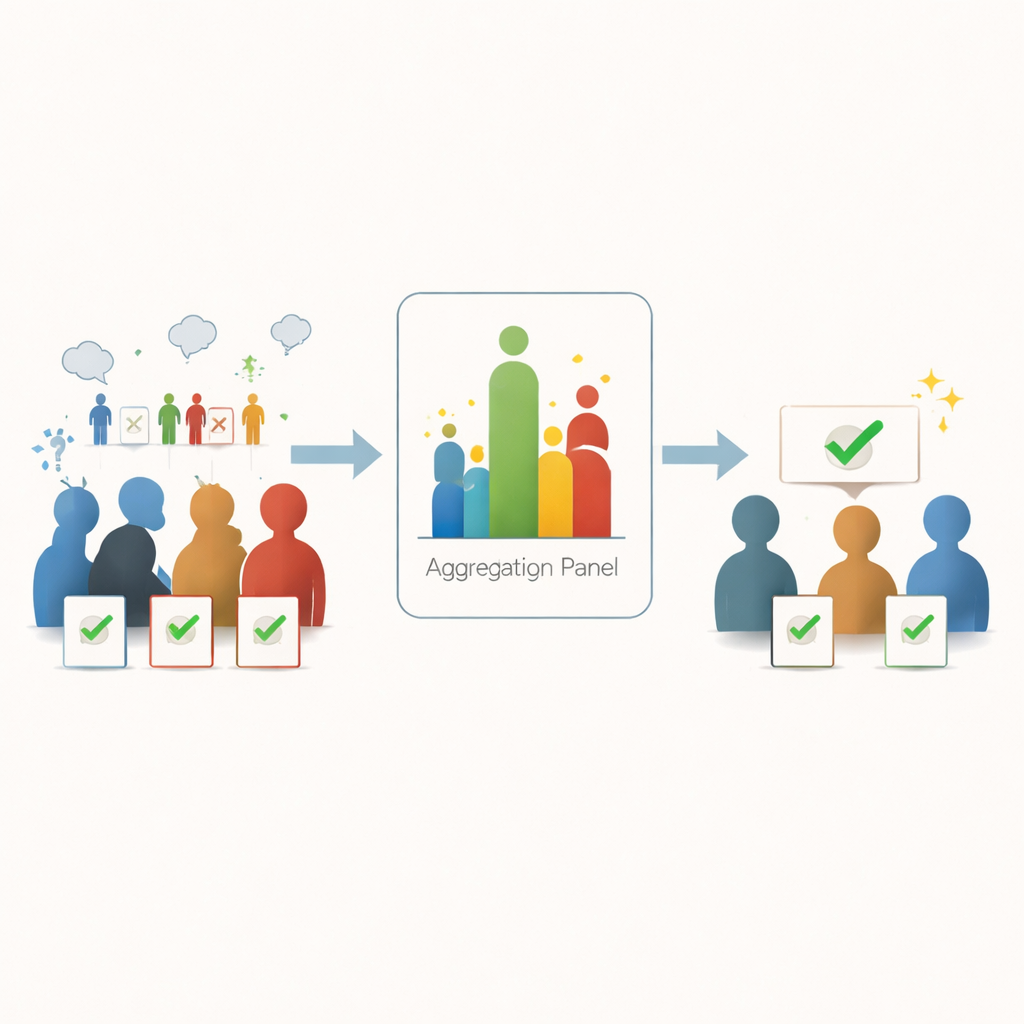
The researchers ran a laboratory experiment in which 128 university students answered 50 true-or-false trivia questions on topics such as history, geography, and science. First, everyone answered on their own, rated how confident they were, and guessed what others would say and how sure those others would be. This initial round created a detailed picture of the crowd’s views: how often each answer was chosen, how confident people were when they chose it, and what people believed about one another’s opinions.
Different ways of showing social information
In a second stage, new participants answered the same questions but were then shown summaries of what the earlier crowd had done before deciding whether to change their answers. Some saw only how many people had chosen each side (the simple majority view). Others also saw how confident each side had been on average. A third group saw all of this plus more complex information about what people thought others would say. This setup let the researchers ask not just whether people followed the crowd, but which kinds of crowd information actually helped them get closer to the truth.
What helped people learn—and what didn’t
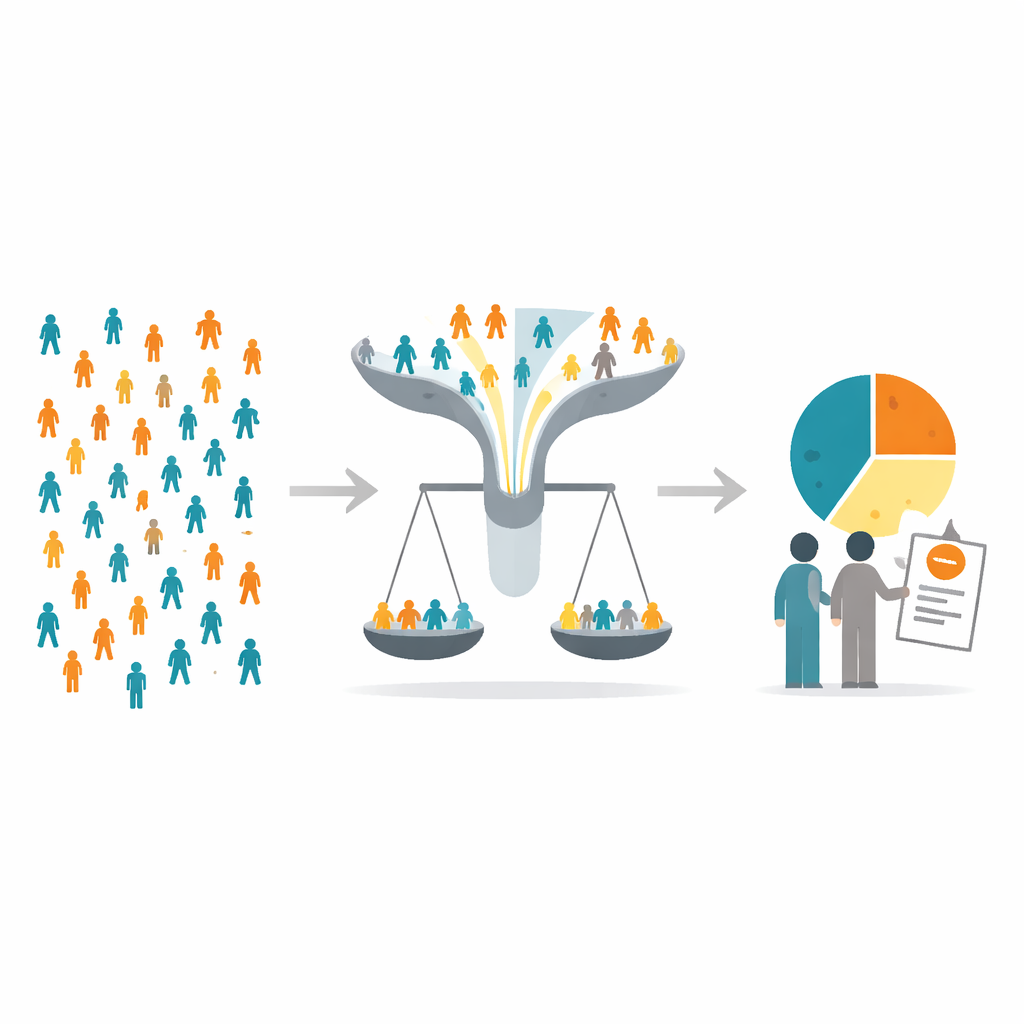
Seeing any sort of crowd information tended to boost factual accuracy overall, but not all information was equally useful. When people saw only the majority view, their performance changed little: easy questions got a bit better, while very hard ones sometimes got worse, as a confident but mistaken majority could mislead them. The strongest improvement came when people saw both majority opinions and how confident each side was. In that case, they could lean more on a small but highly confident minority when the majority seemed unsure, leading to gains even on some tougher questions. Adding the most complex, higher-order information about what people thought others believed did not produce further gains and in some cases blunted the benefits, likely because it was harder to interpret.
How people actually use the crowd
The study also looked at people’s willingness to revise their views. On average, participants changed fewer than one in five of their answers, even when confronted with strong contrary evidence. Most changes happened when someone’s initial answer clashed with the majority. This shows that a simple “follow the majority” shortcut guided much of their behavior, even though a more refined approach that gave extra weight to confident answers would have been more accurate. The richer confidence information was clearly informative—statistical tests showed that it pointed toward the right answer more often than the raw majority did—yet many participants underused it, especially when the information display became crowded and mentally demanding.
Why this matters for everyday decisions
For a lay reader, the core message is both hopeful and cautionary. Carefully designed displays of crowd opinions can help people reach more accurate beliefs about factual questions, and they are especially helpful for those who start out with less knowledge. Showing not just what most people think but also how sure they are can make collective wisdom more reliable without harming better-informed individuals. At the same time, people tend to cling to their initial views and fall back on simple majority rules, particularly when the information becomes too complex. The authors conclude that online platforms and information tools should highlight clear, confidence-based signals rather than ever-more-elaborate statistics if they want to genuinely support informed public judgment.
Citation: He, Y., Lien, J.W. & Zheng, J. Majority views and confidence information promote informed decisions. Humanit Soc Sci Commun 13, 363 (2026). https://doi.org/10.1057/s41599-026-06668-4
Keywords: wisdom of crowds, social information, confidence judgments, decision making, online platforms