Clear Sky Science · en
Global soft power in the 21st century: a two-decade global perspective
Why Persuasion Matters More Than Force
In a world crowded with wars, trade disputes, and online shouting matches, countries are increasingly trying to win others over without firing a shot. This article looks at how "soft power"—the ability to attract and persuade rather than coerce—has been studied across the globe over the past twenty years. By tracing thousands of academic works, the authors show who is shaping this conversation, how the focus has shifted from culture and education to digital rivalry and big‑power competition, and why that matters for ordinary people who live with the consequences of these quiet battles for hearts and minds.
Following Two Decades of Global Attention
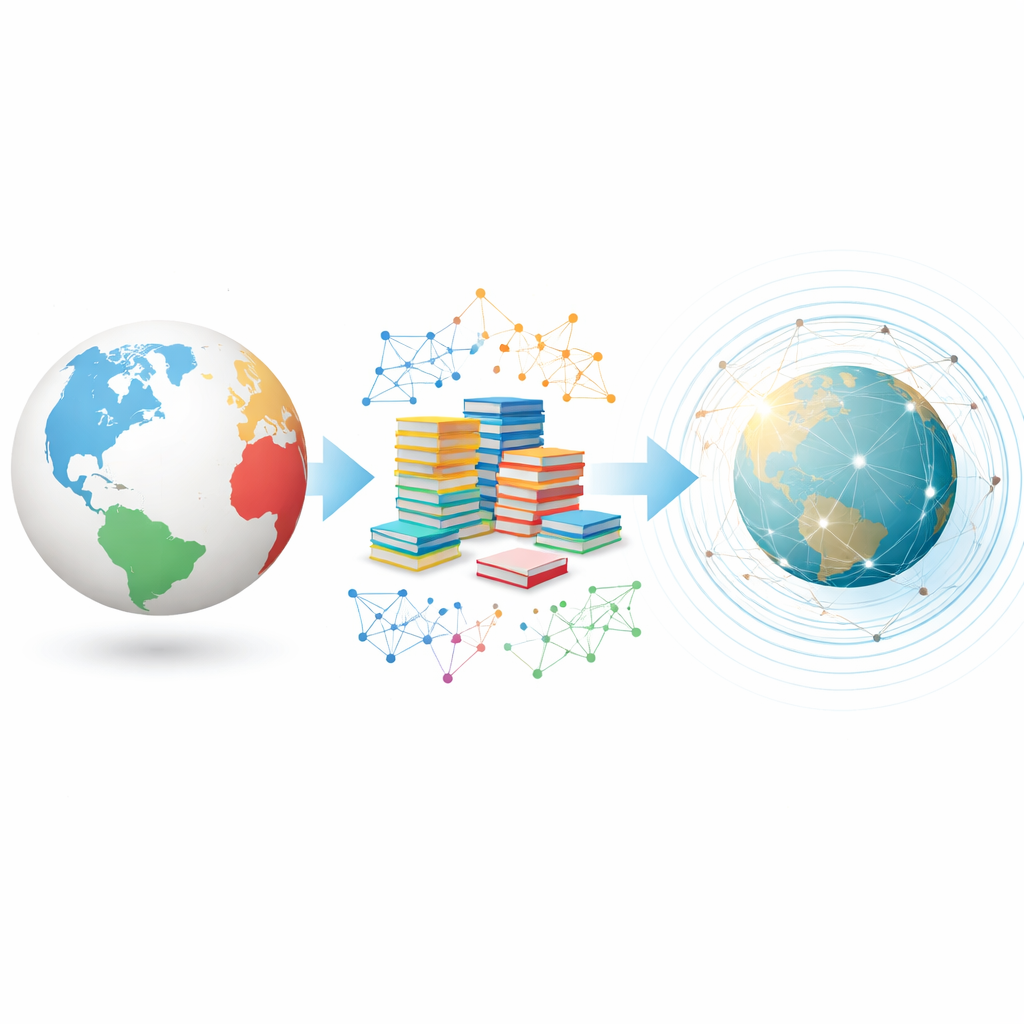
The authors examined 2224 scholarly works on soft power published between 2004 and 2024, all drawn from a major international database. They found that interest in the topic has grown quickly—almost 14 percent per year on average. Early on, researchers were mainly concerned with basic questions: What is soft power? How do films, language schools, or cultural exchanges help a country look more appealing abroad? Over time, this expanded into a wide web of studies touching politics, communication, sociology, education, and cultural policy. In other words, soft power moved from being a catchy idea in diplomacy to a fully fledged field that many disciplines now share.
Who Leads the Conversation—and Why
The study reveals a striking split between where most ideas come from and where most papers are written. The United States and the United Kingdom receive the highest numbers of citations, which means other scholars rely heavily on their work. Joseph Nye, the American thinker who first coined the term "soft power," still towers over the field; his books and articles are the most frequently cited both worldwide and within this specific collection of studies. China, however, now produces the largest volume of soft power research overall, and Chinese universities occupy many of the top spots in publication counts. This suggests that Western countries tend to set the key theories and debates, while China is heavily invested in applying and extending the concept—especially in connection with its own rise on the world stage.
Shifting Themes in a Changing World
Across the twenty-year period, the subjects scholars focus on shift in step with world events. Early work revolved around cultural diplomacy, Confucius Institutes, and civil society. As the years passed, new topics appeared: nation branding, corporate responsibility, sports mega‑events like the Olympics, and the role of media and social networks. In the last decade, interest has increasingly centered on competition between major powers, especially the United States and China. Researchers now examine the Belt and Road Initiative, digital diplomacy, online propaganda and disinformation, and how soft power operates in the Global South—from China–Africa relations to heritage and sustainable development projects. What began as a largely Western conversation about attraction and image has become a crowded, contested space tied to trade deals, infrastructure projects, and information wars.
Networks, Gaps, and Uneven Voices
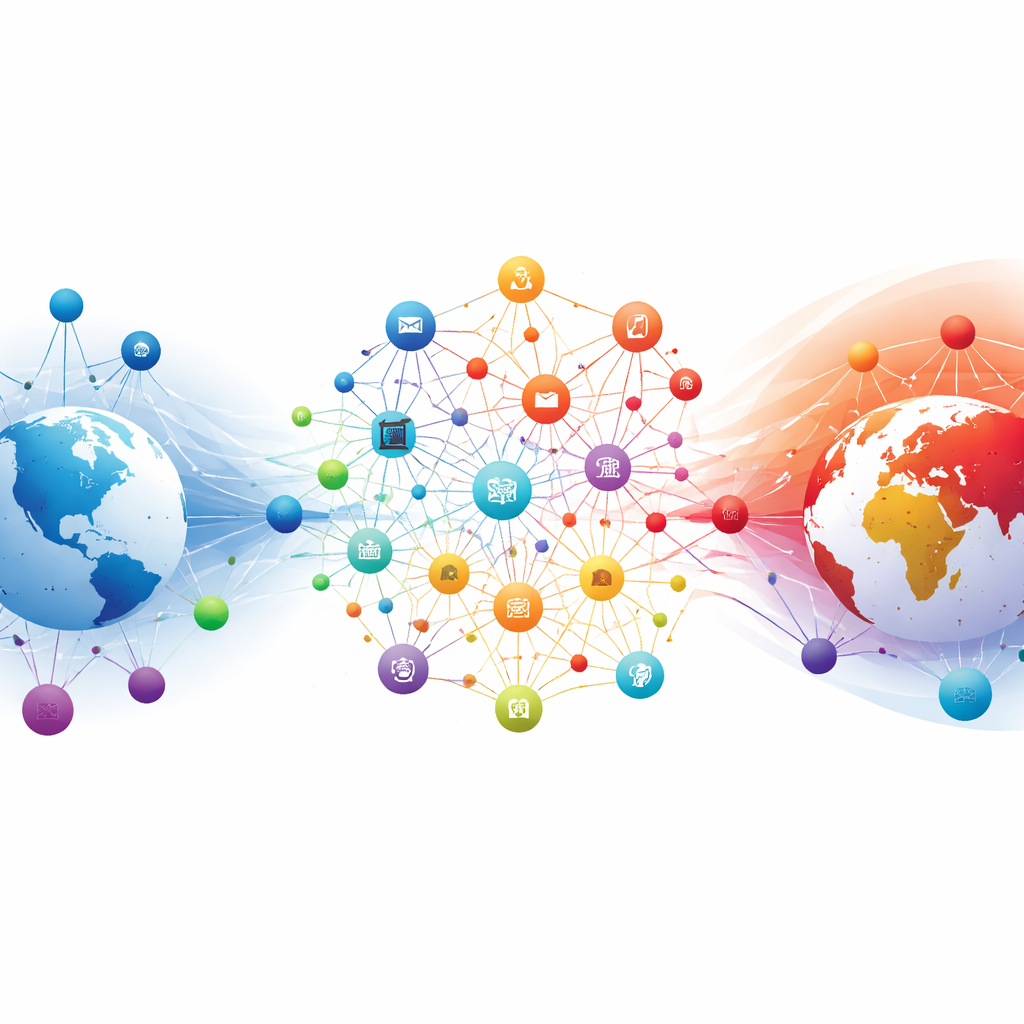
By mapping collaboration networks among universities and countries, the authors show that a small group of hubs—primarily in the U.S., U.K., China, and a few other advanced economies—dominates the field. These hubs link to many partners but also leave some regions at the margins, particularly parts of the Global South where soft power is increasingly practiced but less often studied in influential journals. China’s research is notable for its volume yet still limited international co‑authorship, while countries such as the U.K., Australia, Canada, and Denmark are more deeply woven into cross‑border teams. This uneven pattern mirrors broader political and economic imbalances, raising questions about whose experiences and values define what counts as soft power success.
What This Means for the Future
To a lay reader, the article’s main message is that soft power is no longer just about friendly cultural exchange; it has become a key arena of strategic rivalry. The study shows that scholarship tracks this change: as tensions grow, research shifts from celebrating cultural charm to probing how influence campaigns, infrastructure deals, and online messaging can win allies or breed suspicion. The authors argue that understanding these trends helps both scholars and policymakers see where the concept is being stretched, challenged, or even mistrusted. They call for more voices from the Global South, closer attention to digital tools and artificial intelligence, and deeper international collaboration. In simple terms, they conclude that the stories countries tell about themselves—and how convincingly they tell them—are shaping the world’s future just as surely as armies and markets do.
Citation: Yaqoub, M., Matusitz, J., Jingwu, Z. et al. Global soft power in the 21st century: a two-decade global perspective. Humanit Soc Sci Commun 13, 313 (2026). https://doi.org/10.1057/s41599-026-06644-y
Keywords: soft power, public diplomacy, China and United States, global influence, cultural diplomacy