Clear Sky Science · en
The influence of gamification features in wearable fitness devices on perceived value, device loyalty, and exercise continuance intention: the moderating role of personal innovativeness
Why your fitness watch feels like a game
Many people buy a smartwatch or fitness band with the hope that it will nudge them into healthier habits, only to abandon it after a few months. This study asks a simple question with big everyday consequences: which game‑like features in wearable fitness devices actually help people keep exercising and stay loyal to their devices, and for whom do they work best?
Turning workouts into play
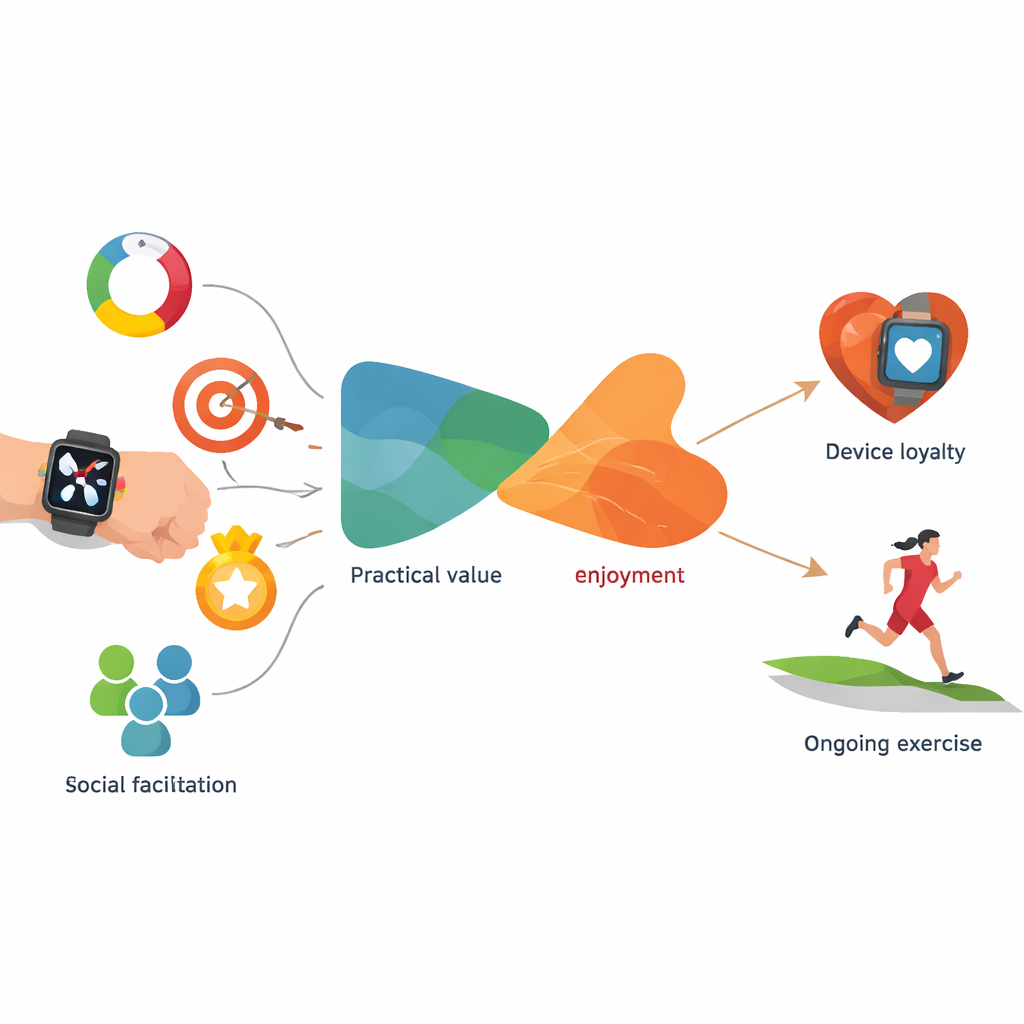
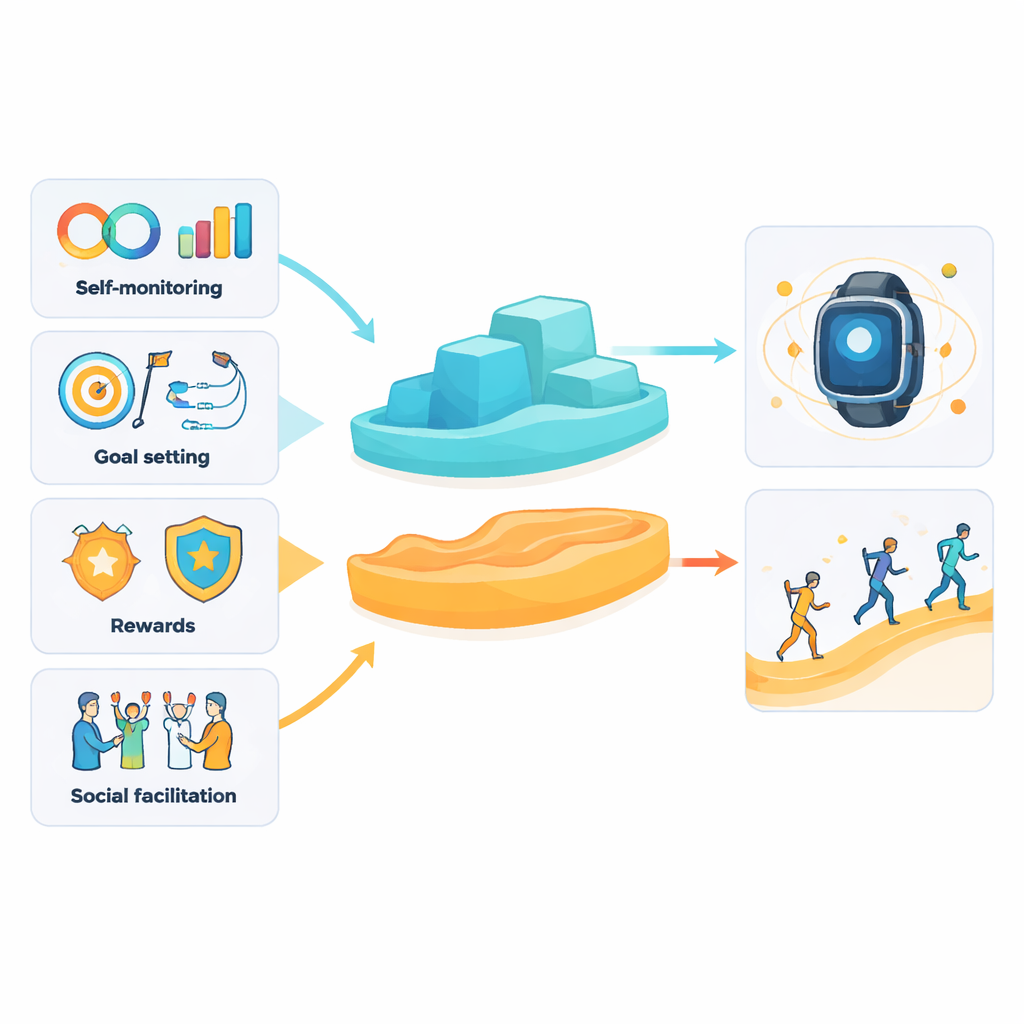
The researchers focus on “gamification” – adding game mechanics to non‑game activities – in the specific setting of smartwatches used for exercise. They identify four common features. Self‑monitoring lets people see steps, heart rate, and distance. Goal setting lets them define daily targets for movement, calories, or weight. Rewards turn progress into badges, medals, or milestones. Social facilitation covers competing with others, sharing achievements, and comparing performance. Together, these elements are supposed to transform routine exercise into something more engaging, but earlier studies had looked at only a subset of them or treated users as if they were all the same.
How the study was carried out
The team surveyed 500 adults in South Korea who already used smartwatches for physical activity. Participants rated how strongly their devices offered each of the four game‑like features, how useful and how enjoyable they found the device, how loyal they felt to it, and whether they intended to keep exercising with it. The study also measured “personal innovativeness” – how eager someone typically is to try new technologies. Using advanced statistical modeling, the authors examined how the four features fed into two kinds of perceived value (practical usefulness versus fun and enjoyment) and, in turn, how those values predicted device loyalty and plans to continue exercising.
What really drives value and loyalty
The results show that not all game‑like features work in the same way. Self‑monitoring, rewards, and social facilitation all increased the sense that the smartwatch was practically useful for managing health and exercise. Rewards stood out as especially powerful: earning badges or noticing that you have beaten your previous record boosted both practical value and enjoyment. In contrast, goal setting did not make the watch seem more useful and, unexpectedly, was linked to lower enjoyment. The authors suggest that when targets feel rigid or hard to meet, they may turn exercise into a source of pressure rather than pleasure, especially in performance‑oriented cultures where falling short can feel discouraging.
Why fun and function both matter
Both types of perceived value turned out to be crucial for long‑term behavior. Seeing the smartwatch as useful was particularly important for device loyalty – the desire to keep using it and recommend it to others. Feeling that it was enjoyable was even more important for the intention to continue exercising with it over time. In other words, accurate tracking and helpful feedback keep people attached to the device, but fun, satisfaction, and a sense of reward are what keep them moving. The analysis also showed that much of the impact of self‑monitoring and rewards on loyalty and exercise passes through these value judgments, highlighting perceived value as the key psychological bridge between design features and real‑world habits.
Different features for different people
Personal taste for new technology changed how value translated into behavior. For highly innovative users who like to experiment with new gadgets, practical value mattered more: when they felt the smartwatch genuinely helped them manage their workouts, they became especially loyal and more determined to keep exercising. For less tech‑enthusiastic users, enjoyment played the bigger role: their loyalty and exercise plans depended more on whether the device felt fun, pleasant, and socially engaging than on pure functionality. This means the same gamified device can work through different psychological routes for different kinds of people.
What this means for everyday users
The study concludes that wearable fitness devices are most effective when they combine solid, reliable tracking with thoughtfully designed rewards and social features that make activity feel satisfying rather than stressful. Overemphasis on strict goals may backfire by undermining enjoyment. For people who love technology, rich data and advanced functions can strengthen commitment; for others, playful rewards and supportive social interactions may be the real hook. Understanding these patterns can help both designers and users choose and customize fitness wearables that are more likely to stay on the wrist—and keep bodies in motion—well past the first few weeks.
Citation: Chang, W., Huang, Y. & Kim, D. The influence of gamification features in wearable fitness devices on perceived value, device loyalty, and exercise continuance intention: the moderating role of personal innovativeness. Humanit Soc Sci Commun 13, 316 (2026). https://doi.org/10.1057/s41599-026-06640-2
Keywords: gamification, wearable fitness devices, smartwatches, exercise motivation, personal innovativeness