Clear Sky Science · en
Leveraging energy-sector artificial intelligence to enhance energy security and achieve sustainable development goals
Why Smarter Energy Matters to Everyone
Keeping the lights on at a fair price while cutting pollution is a balancing act that affects daily life, from heating our homes to running hospitals and factories. This study asks how artificial intelligence (AI) can help countries keep energy supplies secure, affordable, and cleaner at the same time. By looking at data from 52 nations over nearly a decade, the authors show that well-designed AI tools can make power systems more reliable and efficient—but only if social and economic barriers are addressed too.
Measuring the Strength of a Country’s Energy System
The researchers start by building a broad "energy security" score for each country. Instead of focusing on just one thing, such as oil imports or electricity prices, they combine four everyday aspects of energy: is enough energy available, does it arrive reliably, can people afford it, and is it produced in ways that limit environmental harm? To do this, they blend indicators such as access to electricity, fuel imports, power-line losses, gasoline and electricity prices, carbon emissions, and the share of low‑carbon electricity. A mathematical method called entropy weighting is used to let the data itself decide which indicators matter most, so that no single factor hides important problems in another.
Unequal Progress Around the World
When these measures are applied to 52 countries from 2012 to 2021, a mixed picture emerges. Some nations rich in hydropower or wind, such as Norway, Sweden, Canada, and Uruguay, score high because they have plentiful domestic energy, strong grids, and a large share of renewables. Others, including India, Iran, and several fossil‑fuel‑dependent economies, lag behind due to patchy access, heavy reliance on imported fuels, inefficient infrastructure, and high emissions. Even places that have made big gains in connecting people to electricity often struggle with blackouts or bills that are still too high for poorer households. The key message is that no country has yet achieved full energy security across availability, reliability, affordability, and sustainability.
How Artificial Intelligence Can Help
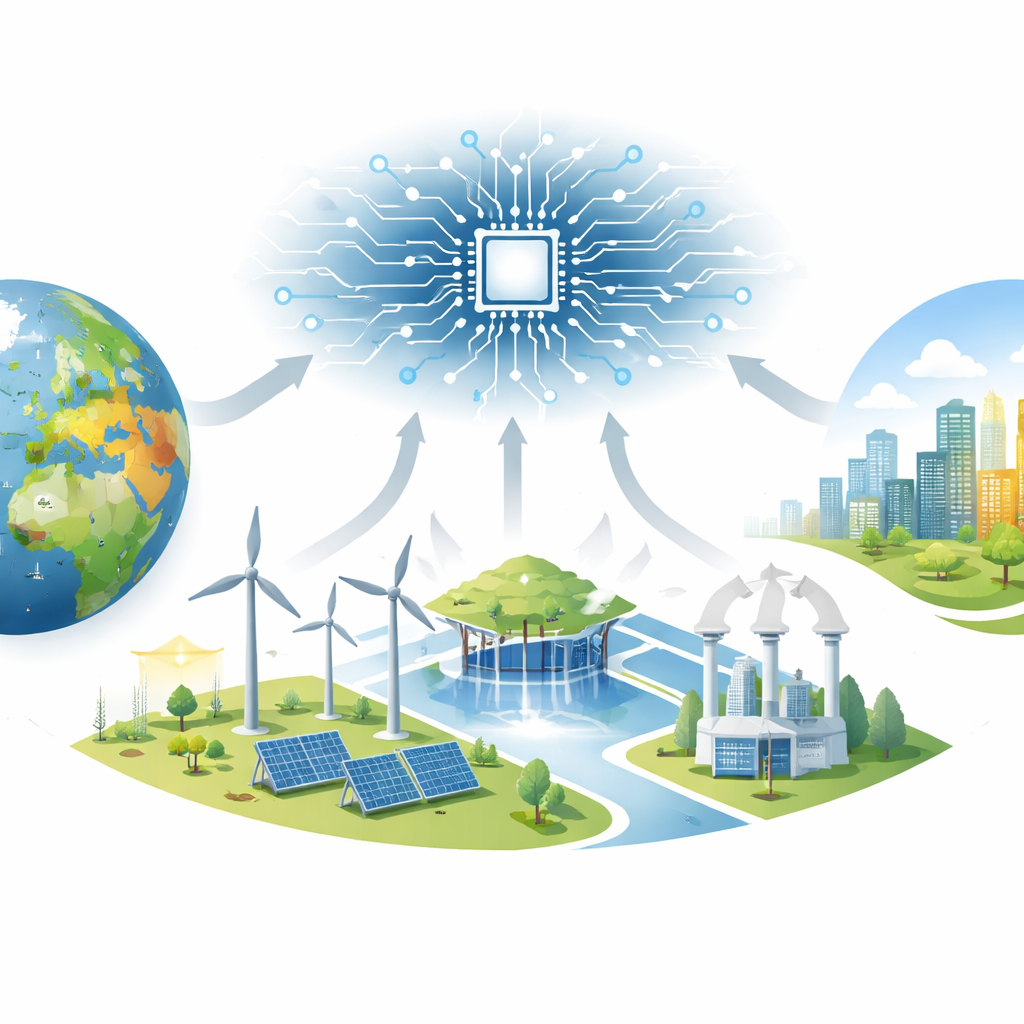
The core of the study is an examination of AI used in the energy sector—ranging from smart grids and predictive maintenance to tools that fine‑tune renewable power. The authors track three kinds of AI activity: energy‑related AI patents, investment in AI, and scholarly research on AI in energy. They then relate these to each dimension of energy security. Across the sample, more AI activity is linked to better energy outcomes. AI linked to patents and investments nudges up energy availability and reliability by helping utilities forecast demand, schedule power plants, and spot equipment problems before they cause failures. AI‑guided control systems can reduce power losses on transmission lines and blend variable sources like wind and solar more smoothly into the grid.
Making Energy Cheaper and Cleaner
AI also helps with what people feel most directly: their bills and local air quality. The study finds that AI in the energy sector can reduce the effective costs of providing power, for example by optimizing how buildings are heated and cooled or how industrial machines use electricity. These savings, when passed through, support more affordable energy. At the same time, AI investments and research have some of the largest measured impacts on the "sustainability" side—boosting low‑carbon electricity and cutting the energy used per unit of economic output. Yet the authors caution that these benefits are not automatic; if AI mainly boosts fossil‑based production, environmental gains can be muted.
When Social Factors Hold Technology Back
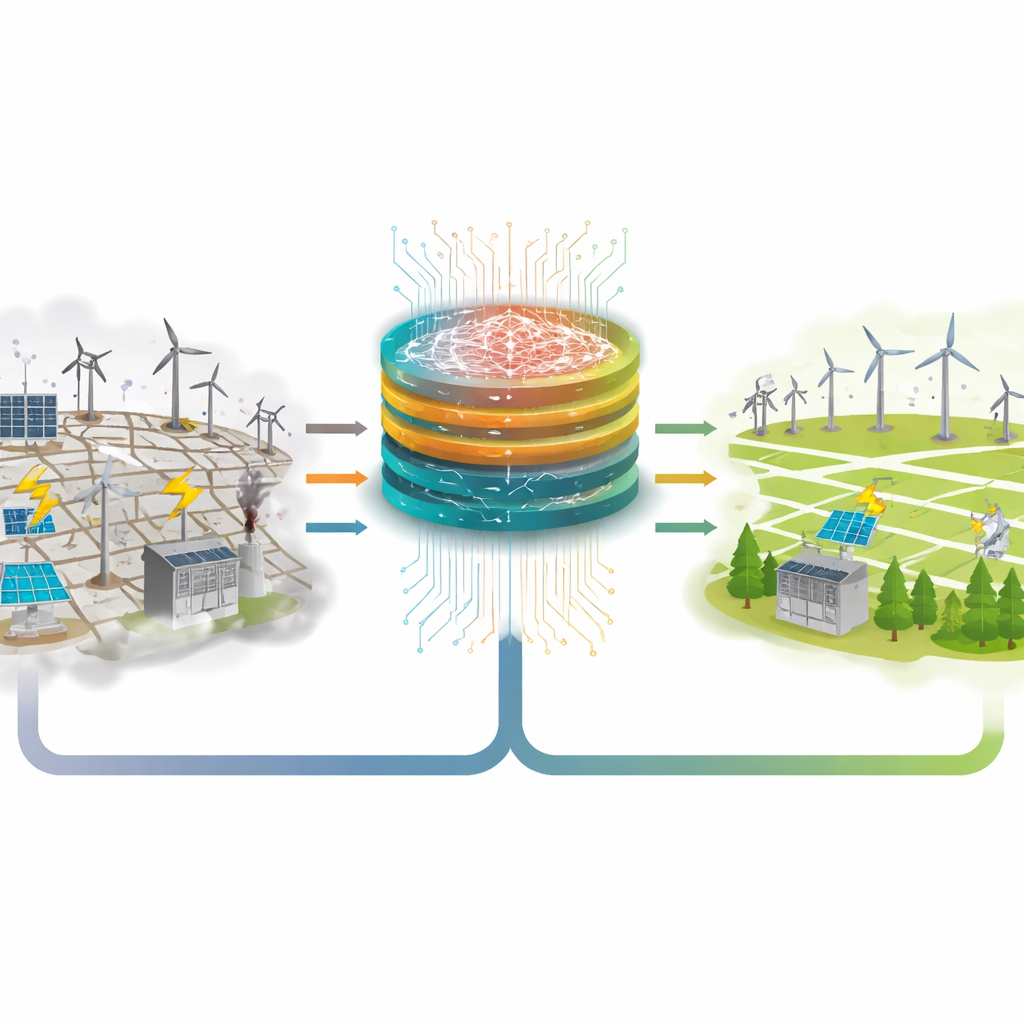
A striking finding is that inequality and inflation can blunt the advantages of AI. In countries where income is very uneven, many households remain unable to connect to, or pay for, modern energy services even if the grid becomes smarter and cleaner. High inflation further erodes people’s ability to afford electricity and fuel, and can deter long‑term investment in better infrastructure. In contrast, economic growth and responsible industrial expansion tend to strengthen energy security by creating resources to modernize grids, expand renewables, and deploy AI‑based solutions more widely.
What This Means for Our Energy Future
For a general reader, the takeaway is that AI is not a magic switch, but it is a powerful tool for making energy systems more robust, fair, and climate‑friendly. The study shows that carefully directed AI patents, investments, and research can raise energy security by several percentage points, especially when focused on smart grids, renewable power, and efficiency. However, to translate digital advances into real‑world benefits—aligned with global goals on clean energy, industry, and climate—governments must also tackle income inequality, curb inflation, and tailor AI strategies to each country’s needs. With the right policies, AI can help move societies toward energy that is reliable, affordable, and far less damaging to the planet.
Citation: Yasmeen, R., Tao, R. Leveraging energy-sector artificial intelligence to enhance energy security and achieve sustainable development goals. Humanit Soc Sci Commun 13, 312 (2026). https://doi.org/10.1057/s41599-026-06639-9
Keywords: energy security, artificial intelligence, renewable energy, sustainable development goals, smart grids