Clear Sky Science · en
Examining the nexus between technical investment, trade in services, electricity consumption, and environmental sustainability
Why this matters for everyday life
Saudi Arabia is racing to grow its economy while also cutting pollution and protecting its fragile desert environment. This study looks at a deceptively simple question with big consequences: how do education, research, electricity use, city growth, and trade in services together shape the country’s environmental future? By tracing these links over more than three decades, the authors show which kinds of investments really move Saudi Arabia toward cleaner air and a smaller ecological footprint—and which ones quietly push in the opposite direction. 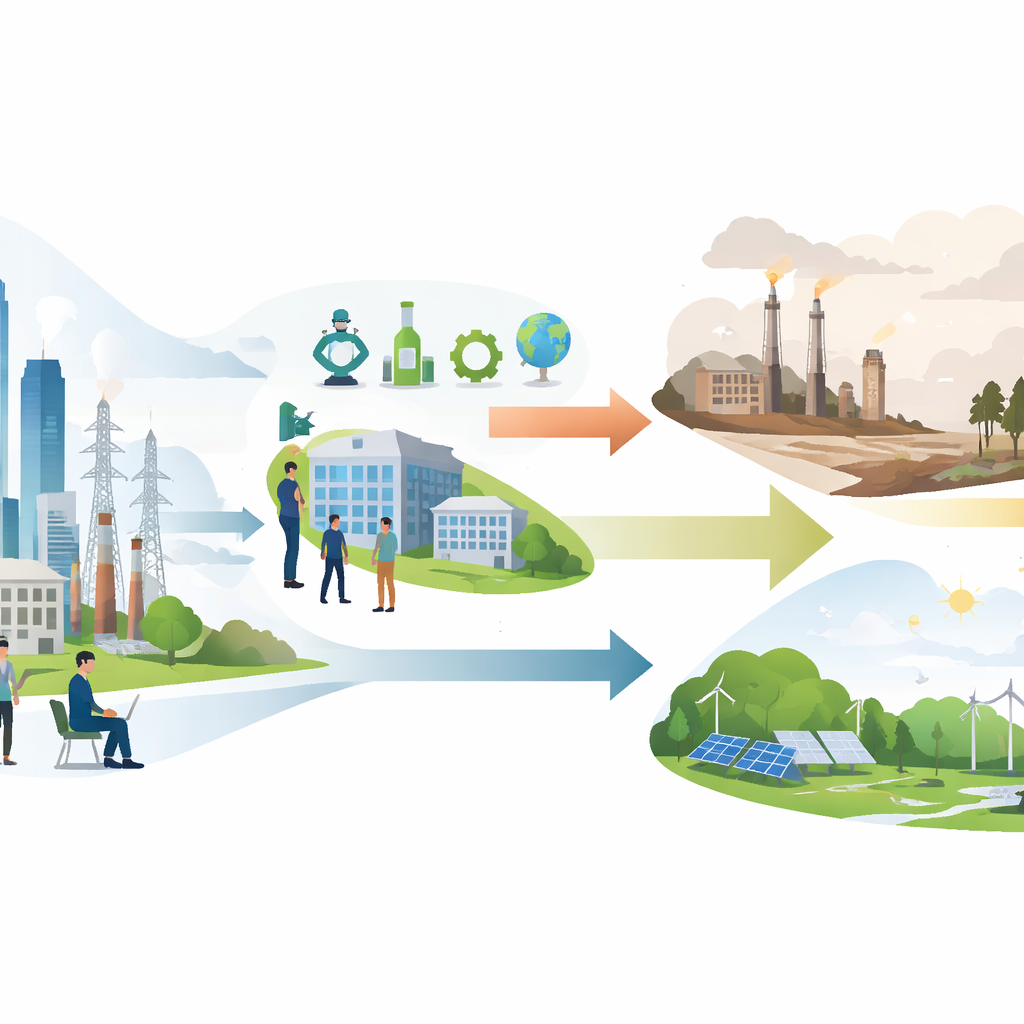
How growth, cities, and power strain the environment
The researchers start from a familiar reality: Saudi Arabia is one of the world’s largest emitters of carbon dioxide, with booming cities, fast‑rising electricity demand, and an economy long anchored in fossil fuels. As more people move to cities, they consume more power for cooling, lighting, transport, and modern appliances. Most of that electricity still comes from oil and gas, so higher demand quickly translates into more emissions and a larger ecological footprint, a measure that captures both resource use and the land needed to absorb waste. Economic growth and urbanization, in other words, do not automatically raise living standards alone; they also intensify pressure on land, air, and water unless they are steered in a greener direction.
What the study measured and how
To untangle this web, the authors assembled annual data for Saudi Arabia from 1990 to 2022. They tracked two environmental indicators—carbon dioxide emissions and ecological footprint—alongside electricity consumption, public spending on education, research and development (R&D) outlays, trade in services, economic growth, and urbanization. Using modern time‑series techniques, they tested whether these variables move together over the long run and probed which ones tend to push or pull the others. Their methods allow them to separate short‑term wiggles from deeper trends and to see the direction of influence—for example, whether electricity use drives growth, growth drives electricity use, or both. 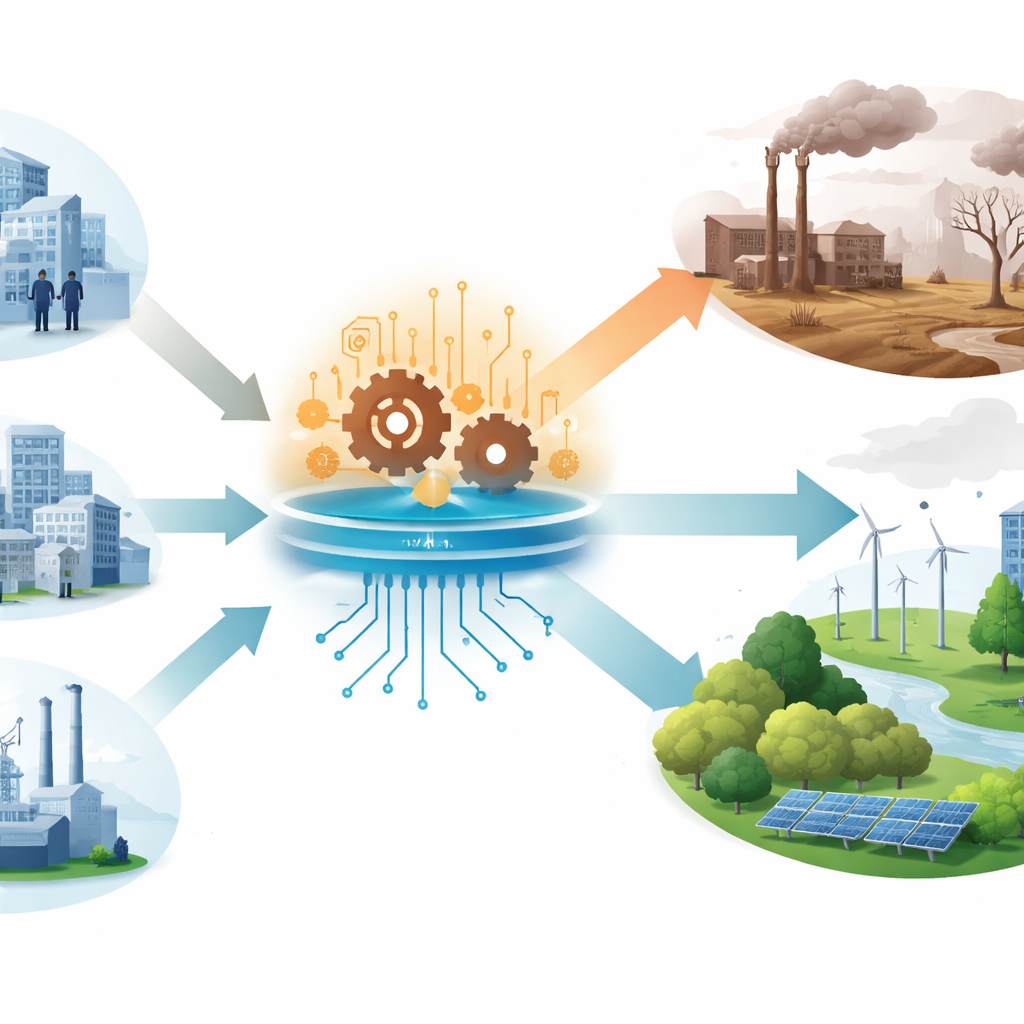
Surprising roles for education and research
Some of the most striking results concern technical investment. Higher education spending is linked to better environmental outcomes: in the long run it is associated with lower ecological pressure and helps cut carbon emissions. Better-educated people appear more likely to support and apply cleaner technologies, and education can raise awareness of environmental risks. R&D spending, however, tells a more complicated story. In Saudi Arabia’s recent history, increased R&D goes hand in hand with environmental deterioration, at least in the short to medium term. The authors suggest this is because much of the country’s research has supported energy‑intensive and polluting sectors, expanding fossil fuel production and heavy industry faster than green technologies have spread.
Electricity, trade, and the push and pull of development
Electricity consumption and economic growth both markedly increase emissions, confirming how tightly Saudi prosperity is still tied to fossil energy. Urbanization amplifies this effect by expanding construction, transport, and energy‑hungry lifestyles. Trade in services behaves differently. In the long run, more trade in services is associated with a smaller ecological footprint, and in the short run it helps reduce carbon emissions. Service trade can transmit cleaner technologies and more efficient business practices across borders, supporting environmental improvements even as the economy opens up. The study also finds a two‑way relationship between trade in services and economic growth, and between education and carbon emissions, underscoring how closely environmental and development paths are intertwined.
What this means for Saudi Arabia’s green transition
For non‑specialists, the study’s bottom line is clear. Not all “high‑tech” or “knowledge‑based” spending is automatically green. Education in Saudi Arabia is acting as a quiet ally of environmental protection, while much current R&D still reinforces polluting patterns. Electricity demand, city growth, and income gains will continue to strain the environment as long as they rest on fossil fuels. Yet trade in services and targeted technical investment can help bend the curve toward Saudi Vision 2030 goals. The authors argue that budget choices should shift R&D and education even more strongly toward clean technologies, efficient electricity use, and sustainable urban planning. Done well, this would allow Saudi Arabia to keep raising living standards while shrinking its environmental footprint—turning today’s growth engines into tools for a greener future.
Citation: Kahouli, B., Chaaben, N. & Nafla, A. Examining the nexus between technical investment, trade in services, electricity consumption, and environmental sustainability. Humanit Soc Sci Commun 13, 304 (2026). https://doi.org/10.1057/s41599-026-06624-2
Keywords: environmental sustainability, Saudi Arabia, electricity consumption, education and R&D, trade in services