Clear Sky Science · en
Green human resource practices and sustainable advantage: evidence from the Chilean mining sector
Why greener mining people policies matter
Mining is often seen as a dusty, high-impact industry, but it is also at the heart of the clean-energy transition, providing the copper and other metals needed for electric cars and renewable power. This article looks at an unexpected lever for making mining both cleaner and more competitive: how companies manage their people. Focusing on Chile, the world’s leading copper producer, the study asks whether “green” human resource practices—such as training workers on environmental issues and rewarding eco-friendly behavior—can actually give mining firms a lasting edge in the marketplace.
Turning HR into an engine for greener business
The authors start from a simple idea: rules on paper or new equipment alone do not guarantee cleaner mining. What really matters is how workers are hired, trained, evaluated, and encouraged. They define green human resource practices as actions like recruiting staff with environmental awareness, offering training in issues such as energy use and waste reduction, including environmental criteria in performance reviews, and rewarding employees who contribute to greener operations. These practices, they argue, help transform broad sustainability promises into everyday behaviors and routines inside firms.
The hidden assets behind a green edge
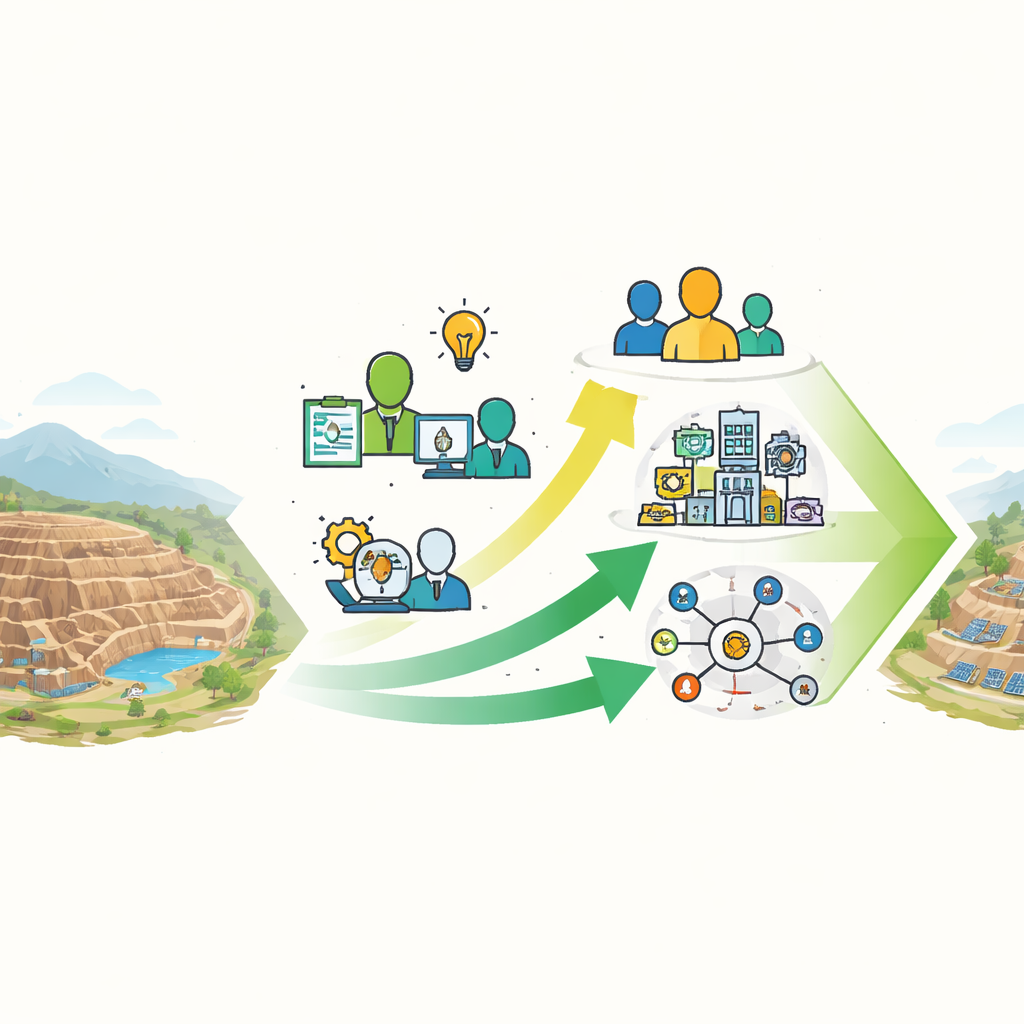
However, the study goes further than asking whether greener HR is good or bad. It focuses on three types of “invisible” assets that can grow out of those practices. Green human capital is the environmental knowledge and skills of employees. Green structural capital is the systems, procedures, and tools that bake environmental care into daily work, from monitoring systems to standards and committees. Green relational capital captures the trust-based relationships a mining company builds with outside groups—local communities, regulators, customers, and suppliers—around environmental topics. Together, these form what the authors call a bundle of green capabilities that can be hard for rivals to copy.
What 300 Chilean mining managers told researchers
To test their ideas, the researchers surveyed 300 managers from mining companies and their suppliers during EXPONOR 2024, one of the world’s largest mining exhibitions held in Antofagasta, Chile. Managers answered detailed questions on how their organizations handle green HR topics, how strong each of the three types of green capital is in their firm, and whether they believe their company enjoys an advantage over competitors because of its environmental stance. Using statistical modeling, the team examined both direct effects (do greener HR practices themselves boost competitive strength?) and indirect effects (do they work mainly by building those hidden assets first?).
Relationships beat isolated expertise
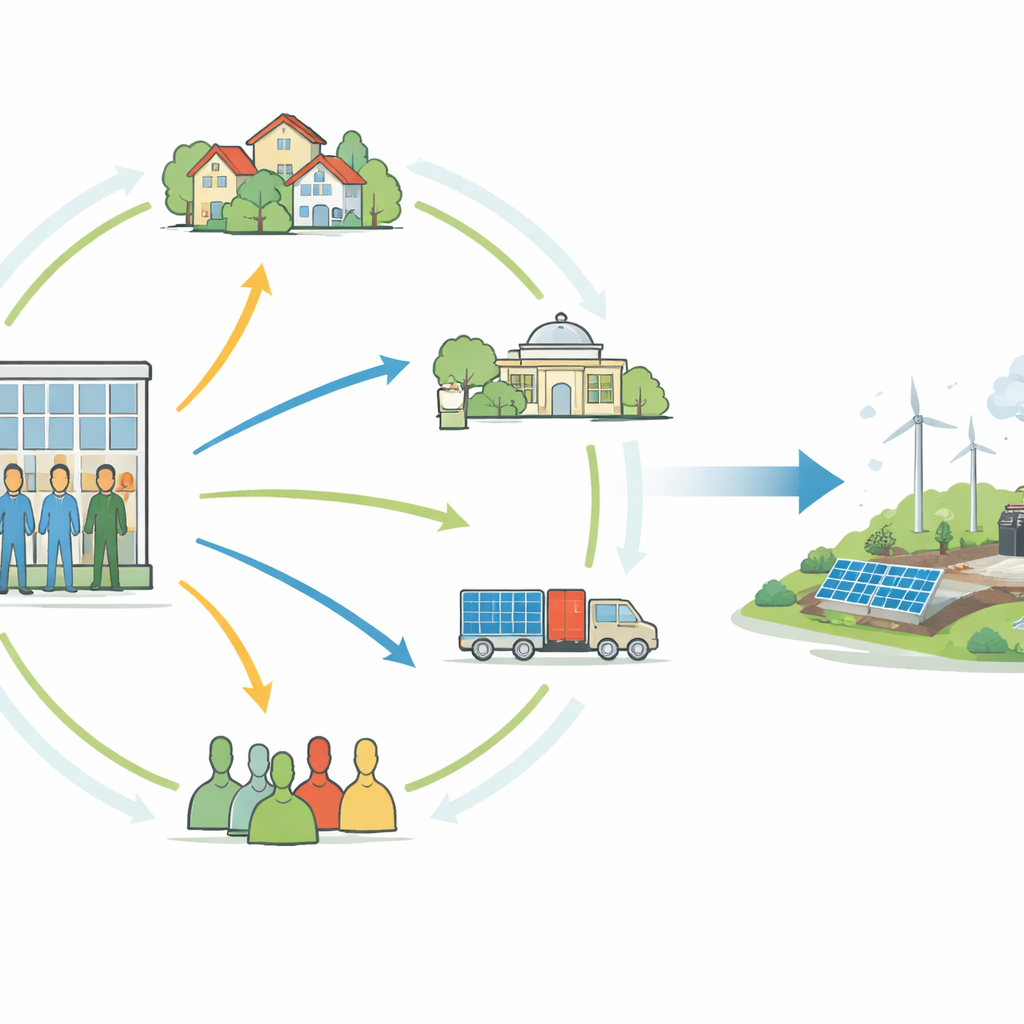
The results show that green HR practices do indeed matter. Firms that more strongly embed environmental goals into hiring, training, evaluations, and rewards report a stronger green competitive advantage—offering better “green” products and services, enjoying a stronger environmental reputation, and finding it harder for rivals to imitate them. These HR efforts also build all three types of green capital: employees become more environmentally skilled, systems and standards become more supportive of environmental protection, and relationships with outside stakeholders deepen around sustainability concerns. Yet when the authors asked which of these three forms of capital actually explains the competitive edge, only green relational capital clearly stood out. In other words, having knowledgeable workers and formal systems is useful, but in this sample it is the quality of relationships—with communities, regulators, customers, and partners—that really turns green talk into durable advantage.
From basic compliance to trusted green leader
For a general audience, the heart of the article’s conclusion is straightforward: in mining, being seen as a trustworthy environmental partner is more powerful than simply having internal green know-how or paperwork in order. Green human resource practices help mining firms move beyond box-ticking compliance by shaping how workers interact with each other and with the outside world. When employees are trained, motivated, and given opportunities to engage with communities and partners on environmental issues, companies build a reputation for responsible behavior and collaboration that competitors struggle to copy. In Chile’s mining sector, this relational strength—rooted in people and reinforced by HR policies—appears to be the key ingredient that turns sustainability into a lasting business advantage.
Citation: Serrano-Malebrán, J., Molina, C., Garzón-Lasso, F. et al. Green human resource practices and sustainable advantage: evidence from the Chilean mining sector. Humanit Soc Sci Commun 13, 290 (2026). https://doi.org/10.1057/s41599-026-06618-0
Keywords: green human resource practices, sustainable mining, green competitive advantage, stakeholder relationships, Chile copper industry