Clear Sky Science · en
Digital solastalgia: exploring user attachment and perceived degradation in social media environments
Why changing apps can feel like losing a favorite place
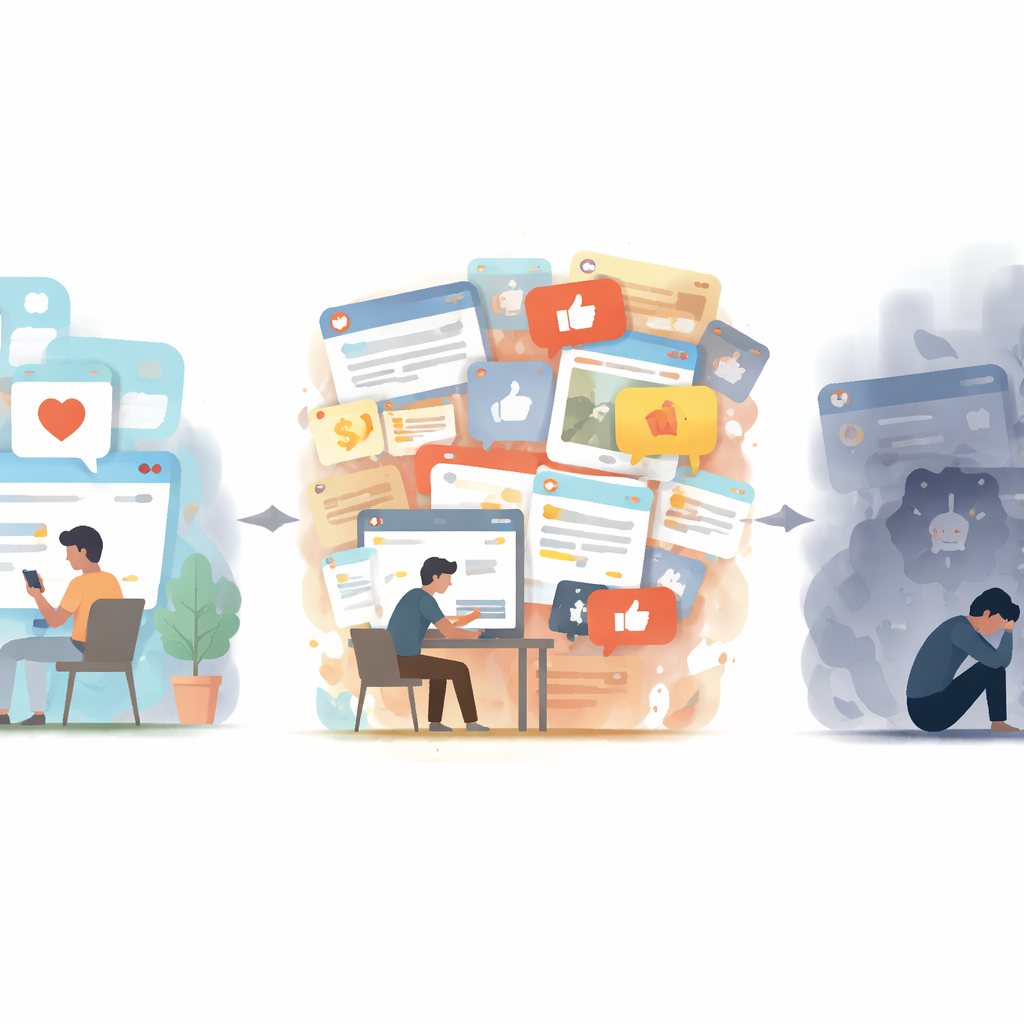
Many people have felt it: a beloved social media platform slowly fills with ads, spam, or strange new features, and using it no longer feels the same. This uneasy mix of nostalgia, frustration, and loss is more than simple annoyance. This study explores whether a kind of grief originally linked to damaged natural environments—called “solastalgia”—can also arise when our familiar online spaces, especially social media platforms, visibly degrade over time.
From parks and town squares to newsfeeds and timelines
The authors start from the idea that websites and apps have become “places” in their own right, much like parks, cafés, or town squares. People return to them every day to socialize, be entertained, work, and share important life moments. In traditional psychology, strong emotional bonds to such places are called “place attachment,” and when those places are destroyed or ruined, people can feel deep distress—solastalgia. The question here is whether the same kind of emotional bond and loss can apply to digital spaces that change under our feet through new rules, layouts, or business decisions.
How the researchers probed feelings about changing platforms
To investigate this, the researchers surveyed 200 adults in the United States who actively use social media. Participants answered questions about which platforms they use and prefer, how often they log in, and whether they usually communicate with others online or face to face. They rated how much they noticed problems like poor management, low-quality content, aggressive monetization, spam, bots, or technical issues on their favorite platform. The survey also included established psychological questionnaires adapted for the online setting, measuring solastalgia, stress from technology, readiness to adopt new tools, and signs of social media addiction. Finally, participants rated blurred screenshots of “old” (2010) versus “current” (2024) interfaces of major platforms such as Facebook, YouTube, and Reddit on how safe, comfortable, and visually pleasing they felt.
What drives a sense of loss in online spaces
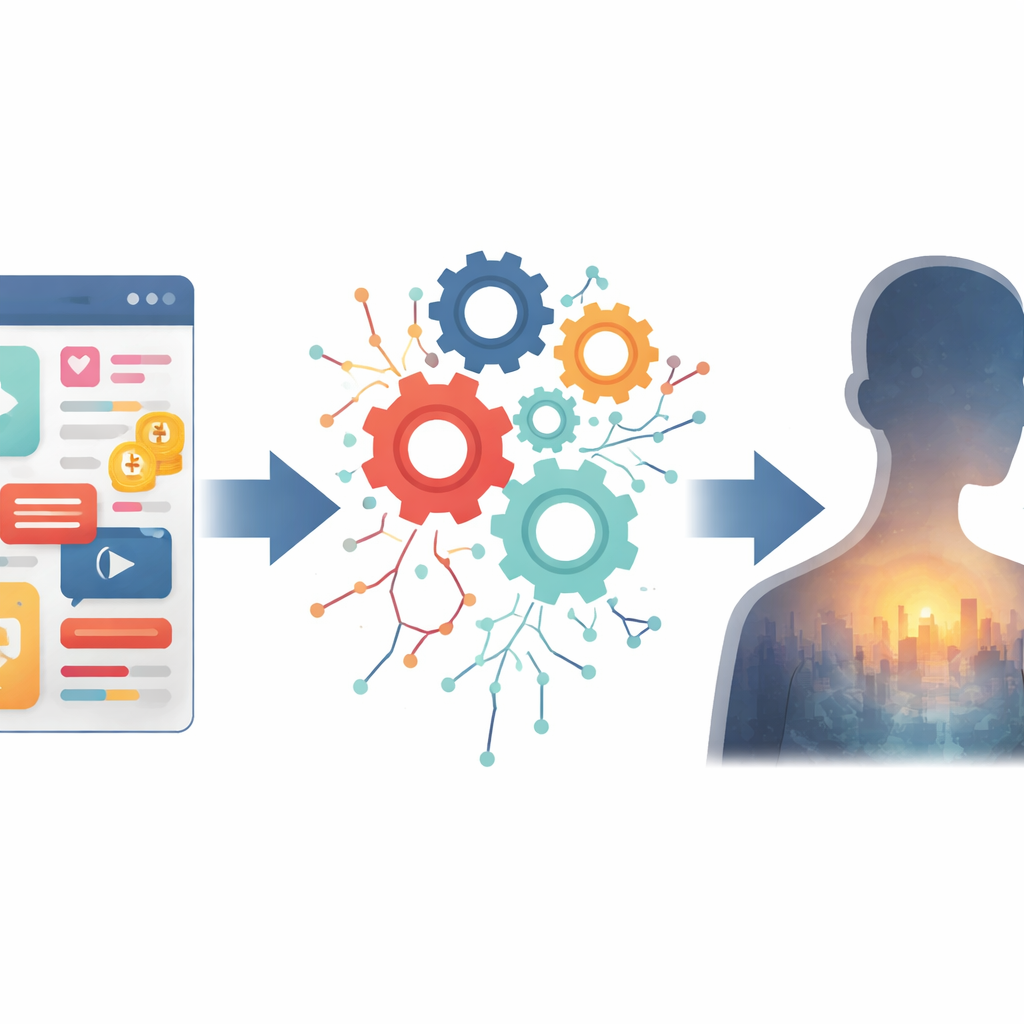
The results indicate that people really can feel solastalgia for social media. It was not simply how long they had used a platform that mattered; instead, their perception that the platform was getting worse was crucial. Users who sensed management problems or an increasingly aggressive push to make money—through cluttered ads or similar practices—reported stronger feelings of loss and distress. Extra stress from dealing with complex systems or privacy worries around technology was also linked to higher solastalgia. People who were less comfortable or confident with new technologies, and those showing more signs of social media dependence, tended to be more affected by these changes. Interestingly, men reported higher levels of this digital solastalgia than women, hinting at possible gender differences in how people invest emotionally in online communities. Users who mostly interact with acquaintances online, and who likely spread their social activity across many platforms, appeared somewhat shielded from these feelings.
Why the look and feel of apps still matters
The study also found that how people viewed old versus new site designs mattered. Participants evaluated earlier and current versions of popular platforms, focusing on how safe, comfortable, and appealing they seemed. Those who saw older layouts as noticeably more comfortable than the modern ones tended to report higher solastalgia scores. This suggests that familiar visual environments—a classic layout, a predictable menu, a certain style of feed—can become part of users’ emotional attachment. When these are replaced abruptly by newer designs that feel less cozy or intuitive, users may experience not just irritation but a deeper sense of something important having been lost.
What this means for our digital lives
Overall, the study shows that online platforms are not just tools; they function for many people like meaningful places. When social media environments feel mismanaged, overly commercial, or increasingly stressful to navigate, some users experience a kind of environmental grief—digital solastalgia. For designers and platform owners, this means that chasing innovation and revenue without regard to comfort, continuity, and user trust can quietly harm emotional well-being. For users, it helps explain why watching a favorite site or app “go downhill” can hurt more than we might admit: it resembles losing a familiar neighborhood that once offered solace, community, and a sense of home.
Citation: Cipriani, E., Menicucci, D. & Grassini, S. Digital solastalgia: exploring user attachment and perceived degradation in social media environments. Humanit Soc Sci Commun 13, 267 (2026). https://doi.org/10.1057/s41599-026-06608-2
Keywords: social media platforms, digital place attachment, technostress, user experience design, online nostalgia