Clear Sky Science · en
Understanding election promise tracking as a form of fact-checking
Why keeping score on promises matters
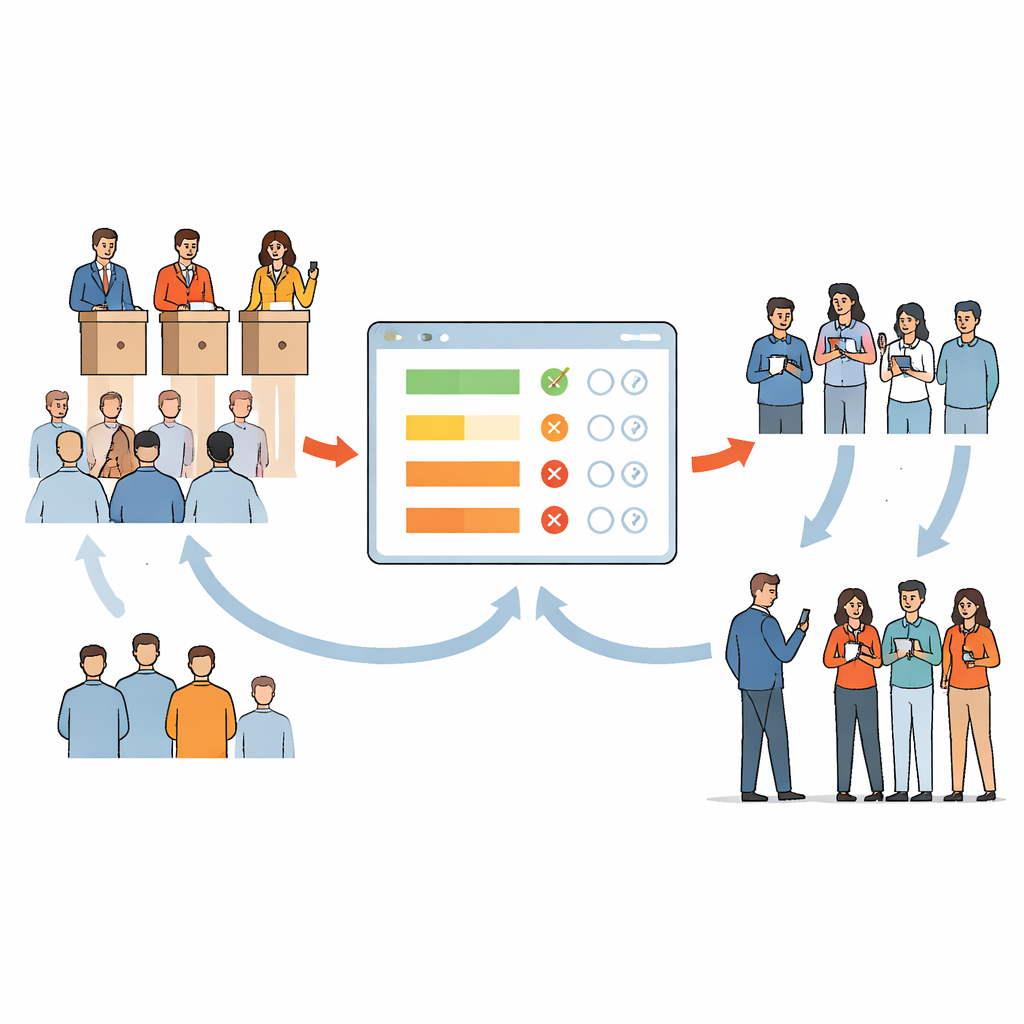
In every election, parties make long lists of promises—but after voting day, most people have neither the time nor the tools to check what actually happens. This article looks at a new way of doing that checking: online election promise trackers, which follow key pledges over the life of a government. Focusing on Australia’s RMIT ABC Fact Check Promise Tracker, the authors explain how these tools blend academic research and journalism to help citizens see which promises are kept, broken or stalled, and how that shapes trust in democracy.
From campaign slogans to clickable scorecards
The story begins with a concrete example: during Australia’s 2022 election, the Labor Party pledged to open 50 urgent care clinics. When the deadline passed without the clinics in place, the Promise Tracker publicly marked the pledge as broken. Behind the scenes, government officials contacted the team to argue for a softer judgement. This clash shows the real-world power of promise trackers—governments pay attention, journalists use them as references, and voters gain a clearer picture of whether words turn into action. The article introduces these platforms, known in political science as Campaign Pledge Evaluation Tools, which have spread across democracies since the first high-profile “Obameter” in the United States.
Two ways of counting promises
Political scientists and journalists both care about democratic accountability, but they approach promise tracking differently. Researchers aim to capture every promise a party makes, then carefully code whether each one was fully or partly fulfilled. This comprehensive approach feeds into big cross-country studies that test ideas about how democracy works—such as whether election winners really follow their manifestos. These studies have found that a clear majority of promises are at least partly kept, which pushes back against the common belief that politicians always break their word. However, academic tools often show only brief status notes and are written mainly for specialists.
How journalists turn data into stories
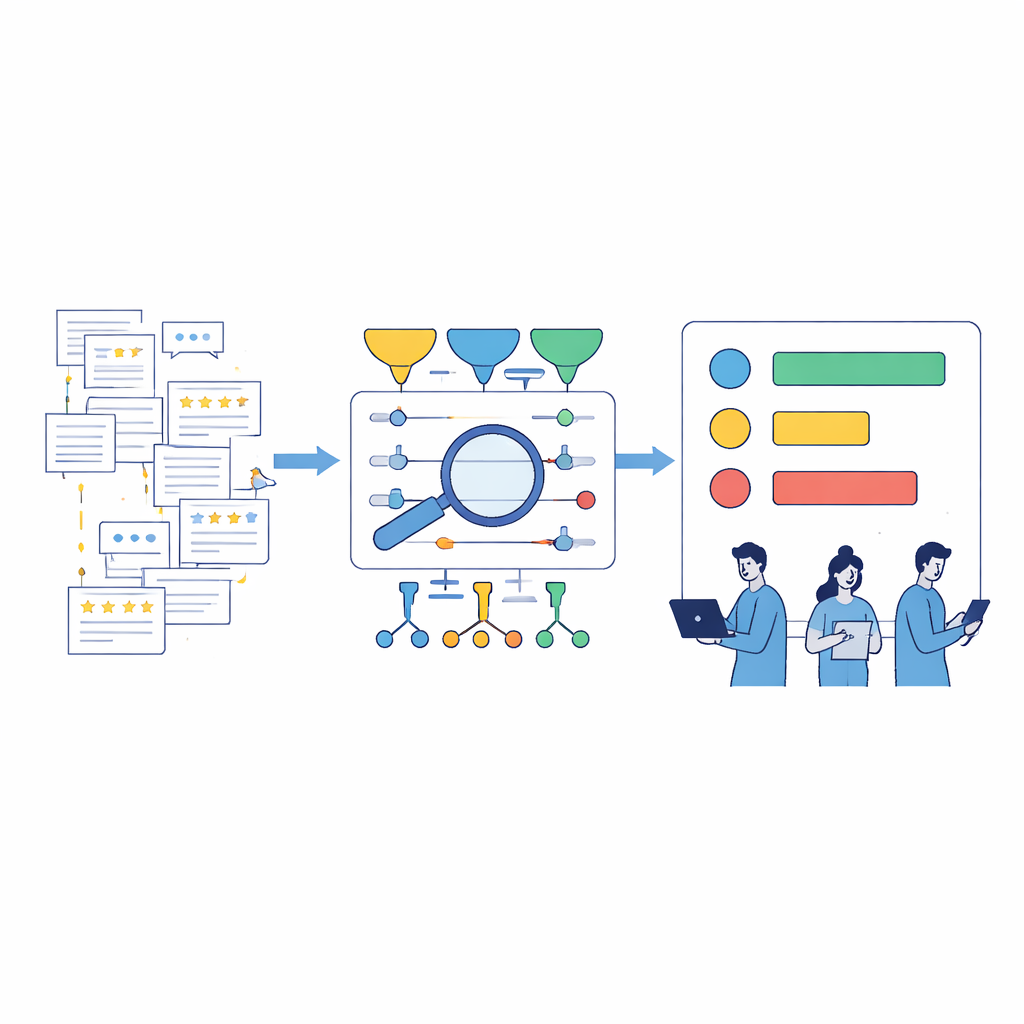
The Promise Tracker team at RMIT ABC Fact Check works with the same raw material—hundreds of detailed pledges—but uses it in a more selective, story-driven way. They choose a smaller set of promises that are both important to the public and practically checkable, then follow each one over time. Instead of waiting until the next election to publish results, they provide ongoing explanations of why a promise is “in progress,” “stalled,” “thwarted” by forces such as an unfriendly senate, or clearly “broken.” These explanations, which the authors call “evidentiary narratives,” show the chain of events, cite independent experts and official documents, and make it easy for readers to see how the verdict was reached.
Tracking the future, not just the past
Unlike classic fact-checking, which usually looks back at something a politician already said, promise tracking starts on election night and looks forward. The team begins with a pledge, then regularly revisits it as budgets are handed down, bills are introduced, and policies are adjusted. Web developers design the tracker so each update adds another piece to a growing picture, turning dozens of pledges into a living map of the government’s record. Although the display might resemble a scientific scorecard, the authors stress that the final mix of promises reflects editorial judgement about what matters most to audiences, not a complete rating of government performance.
What this means for citizens and democracy
By teaming up political scientists, journalists and designers, the Promise Tracker offers a model for how democracies can watch over their leaders in a more systematic yet accessible way. Researchers supply the painstaking work of identifying and coding every promise, while fact-checkers select the most significant ones and explain their fate in plain language. The article argues that this form of election promise tracking is best seen as a branch of fact-checking journalism, aimed at giving voters a clear, transparent and up-to-date view of how campaign words translate into governing deeds. In doing so, it may help people make more informed choices at the ballot box and strengthen the everyday accountability that keeps democratic systems alive.
Citation: Waller, L., Morieson, L. & Thomas, S. Understanding election promise tracking as a form of fact-checking. Humanit Soc Sci Commun 13, 264 (2026). https://doi.org/10.1057/s41599-026-06603-7
Keywords: election promises, fact-checking, political accountability, digital journalism, democratic participation