Clear Sky Science · en
Data elements marketization and corporate greenwashing: evidence from China
Why data and the environment now go hand in hand
For anyone who cares about climate change, corporate responsibility, or the rise of the digital economy, this study offers a hopeful message: better use of data can actually make companies more honest about how green they really are. Focusing on China, the researchers ask whether building markets where data can be traded—much like goods or services—can help expose misleading “eco-friendly” claims and push firms toward real environmental improvement rather than clever image‑polishing.
When green promises don’t match reality
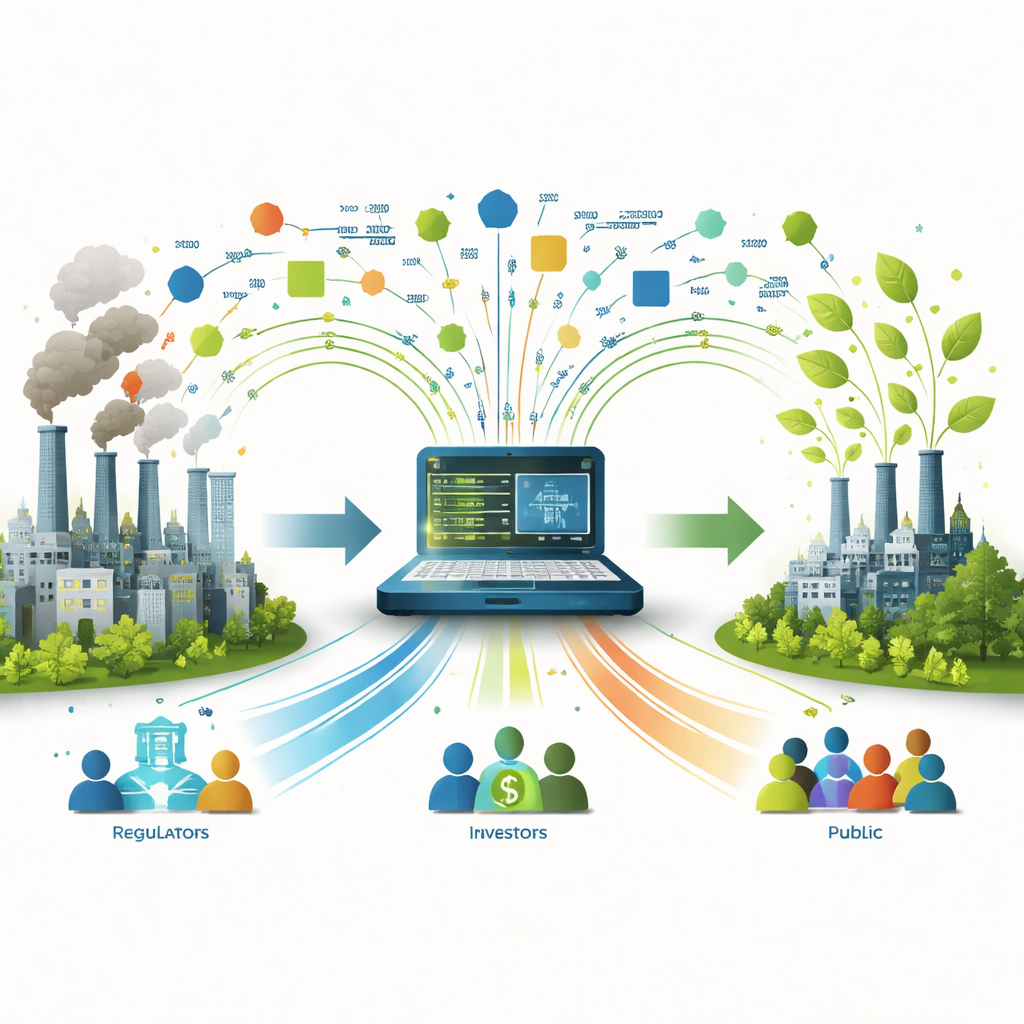
Companies around the world now publish glossy reports about their environmental efforts. Yet behind the polished language and feel‑good imagery, some firms exaggerate or even fabricate their green achievements, a practice known as greenwashing. Investors, consumers, and communities rely on environmental disclosures to judge whether a company deserves their money and trust. When those disclosures are inflated, it distorts markets, rewards the worst performers, and undermines genuine attempts to cut pollution and carbon emissions.
Turning data into a tradable resource
At the same time, data has become a central resource in modern economies. In China, governments have built data trading platforms in many cities, where different organizations can buy, sell, and share information under clearer rules. The authors treat the launch of these platforms as a kind of natural experiment: some regions get a functioning data market earlier than others. Using information from more than ten thousand listed firms between 2011 and 2022, they compare how companies behave before and after a platform appears, and against firms in places without one.
How data markets expose fake green claims
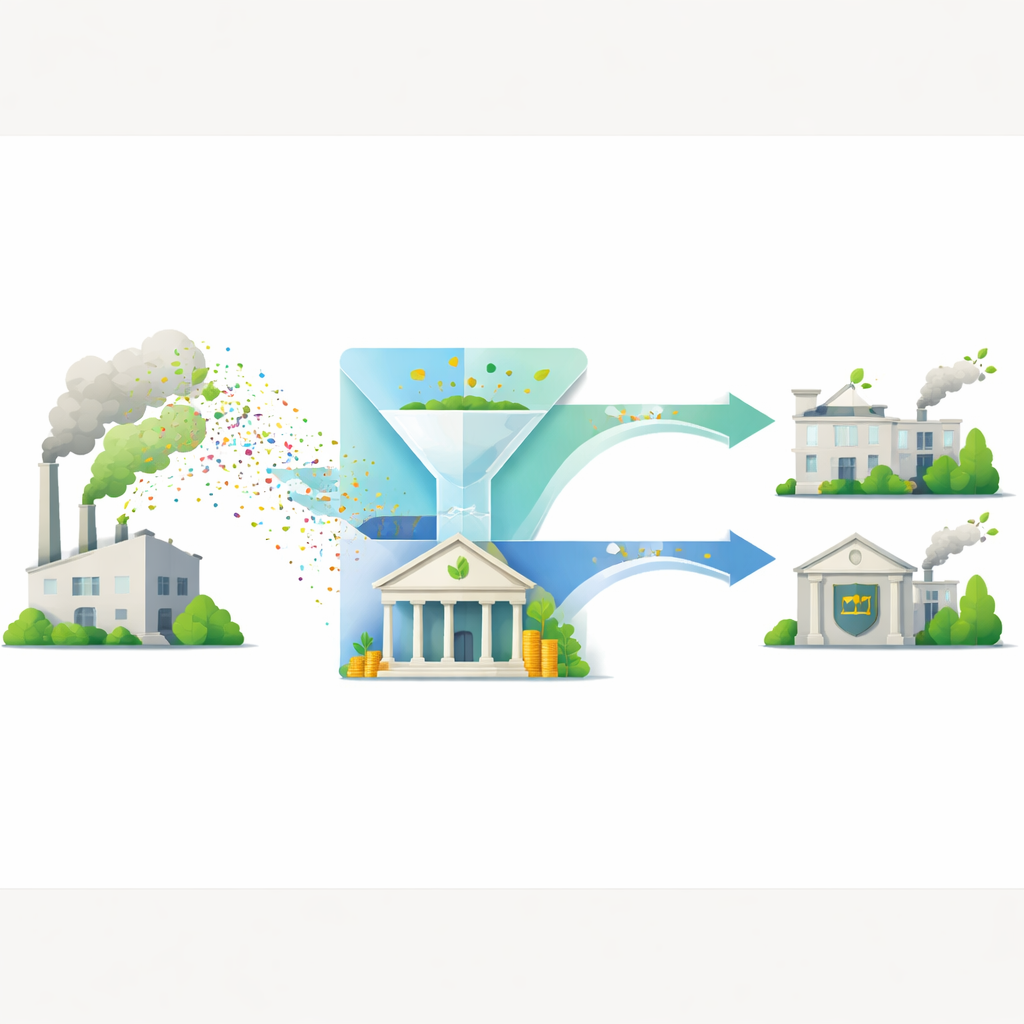
The study finds that once a local data market is in place, companies’ environmental storytelling moves closer to their actual performance. In other words, greenwashing declines. This happens through two main channels. First, data markets make it easier and cheaper for outsiders—regulators, analysts, and the public—to cross‑check what firms say against a richer pool of independent information. That heightened transparency narrows the space for vague or misleading claims. Second, banks and other financial institutions can tap into standardized environmental data when deciding who qualifies for green loans and investments. Firms that only pretend to be green find it harder to secure favorable financing, while truly cleaner companies are more likely to be rewarded.
Who changes the most under the new rules
The effects are not the same for everyone. The drop in greenwashing is strongest among heavy polluters, high‑tech firms, and companies that are already more digitally advanced. Heavy polluters face high environmental risks and have long used surface‑level green messaging to ease pressure; once data about their real impacts flows more freely, that strategy becomes much riskier. High‑tech and highly digital firms are better equipped to use data platforms to improve genuine performance, so they shift more quickly away from cosmetic gestures toward real changes. Regions with more developed markets also see stronger effects, because investors and other players there are readier to act on the new information.
Why local context still matters
Regional economic and policy settings shape how powerful data markets can be. In provinces with more market‑oriented economies, data platforms more effectively channel technology and finance to cleaner projects, giving firms concrete support to improve. Interestingly, regions with weaker environmental supervision benefit especially from data markets: where government pressure is relatively light, improved information and greener finance step in as alternative forces pushing firms toward better behavior. In areas already subject to strict regulation, companies are cleaner to begin with, so the extra push from data is smaller.
What this means for a cleaner digital future
Overall, the research suggests that treating data as a valuable, tradable resource can do more than boost productivity or fuel new apps—it can also help clean up the economy. By making environmental information harder to hide and tying green finance more tightly to real performance, data markets reduce the appeal of empty eco‑slogans and reward firms that actually cut pollution. For policymakers, the lesson is that building robust, transparent data systems and linking them to financial incentives can be a powerful tool for curbing corporate greenwashing and steering economies toward genuinely greener growth.
Citation: Wang, S., Bai, Q. Data elements marketization and corporate greenwashing: evidence from China. Humanit Soc Sci Commun 13, 254 (2026). https://doi.org/10.1057/s41599-026-06596-3
Keywords: greenwashing, data markets, digital economy, green finance, environmental governance