Clear Sky Science · en
Modelling stakeholder theory through corporate green innovation, green innovation and responsibilities: a regulatory strategy for sustainable development
Why Greener Business Matters to Everyone
As climate change intensifies, it is no longer just scientists and policymakers who need to worry about the planet’s future—businesses and everyday citizens are central players too. This study asks a simple but powerful question: how can companies, governments, and communities work together so that economic growth goes hand in hand with protecting the environment? Focusing on Pakistan, one of the countries most exposed to climate risks, the authors examine how “green” ways of doing business can support long‑term well‑being for people and nature.
How Companies Can Change Their Ways
The article looks at what the authors call corporate green innovation, which essentially means companies redesigning their products, processes, and business models to use fewer resources and cause less harm. Examples include cleaner technologies, better waste handling, and energy‑saving equipment. Green innovation, in turn, is the broader set of ideas and technologies—such as pollution‑control devices, recycling systems, and green energy solutions—that any organization can adopt. Together, these efforts aim to cut emissions and waste while keeping firms competitive and profitable.
The Many Hands Behind Sustainable Progress
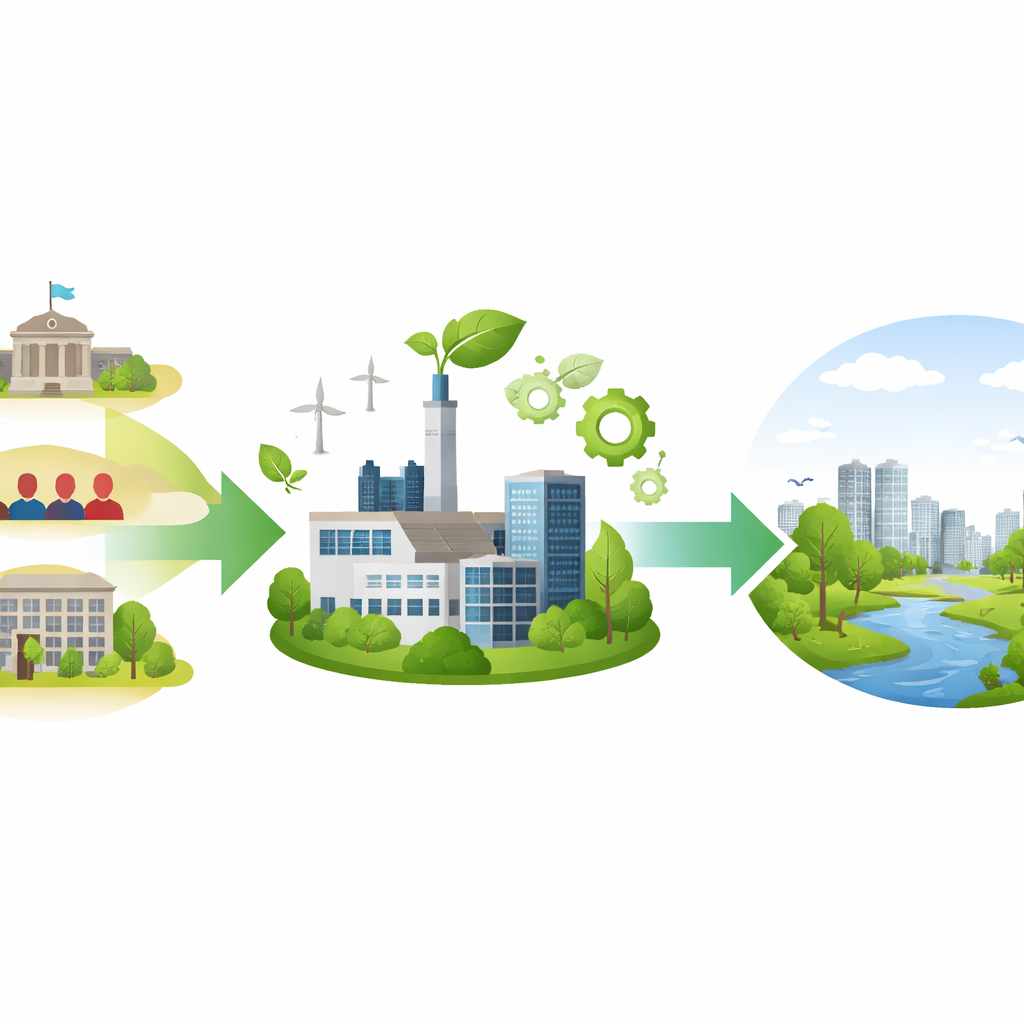
Greener business is not just about technology; it is also about people and power. The authors draw on stakeholder theory, which holds that companies should consider the interests of all groups affected by their actions, not just shareholders. Stakeholders include workers, local communities, customers, regulators, and investors. In this view, government rules, citizen pressure, and corporate responsibility intertwine. When governments set clear environmental standards and citizens demand cleaner practices, they push firms to invest in green innovation. At the same time, companies that listen to stakeholders and disclose environmental information can attract long‑term investors and build trust.
What the Study Found in Pakistan
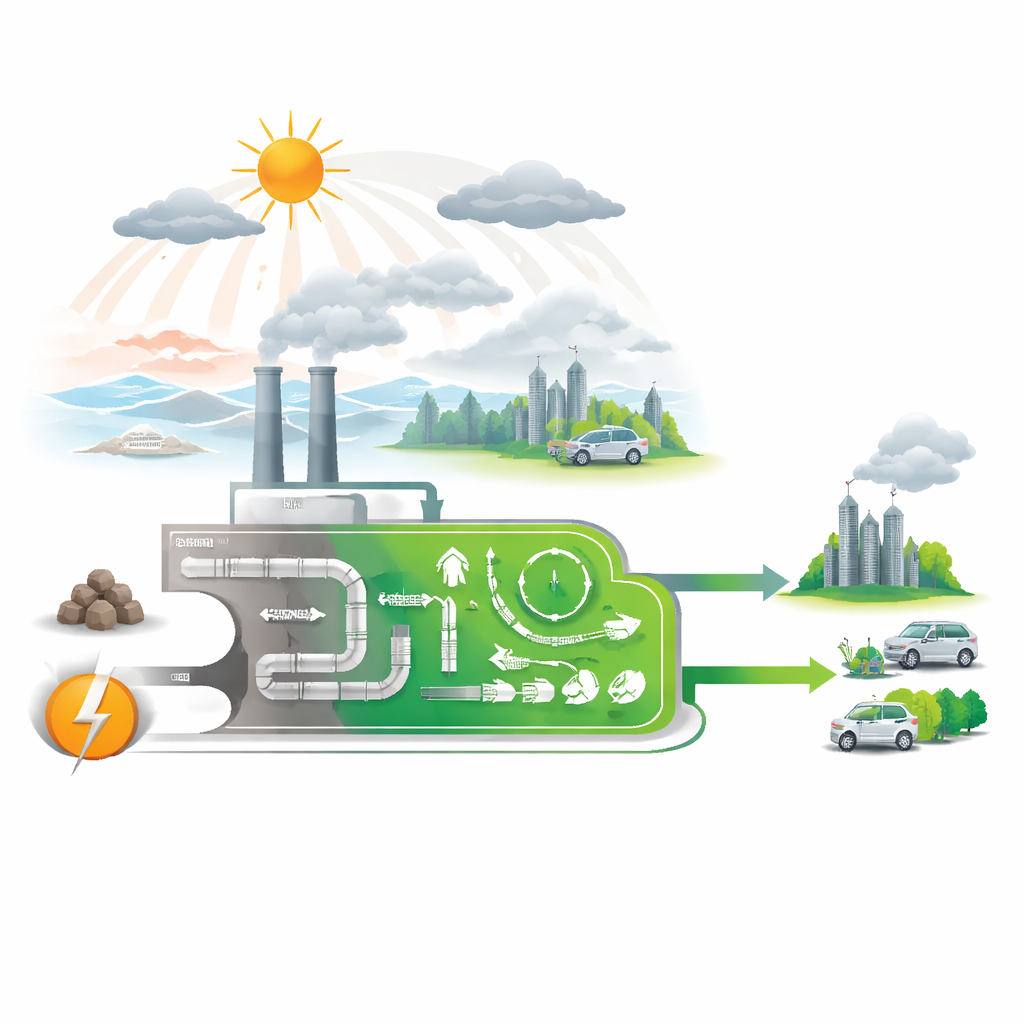
To understand how these pieces fit together in the real world, the researchers surveyed over 480 environmental service workers in Pakistan’s local governments and climate initiatives. Using statistical modeling, they examined the links between stakeholder responsibility, corporate green innovation, green innovation in general, climate change, and sustainable development. They found that corporate green innovation strongly supports sustainable development, and that green innovation acts as a bridge: when stakeholders push for responsibility and when rules favor cleaner practices, green innovation helps turn that pressure into better environmental and social outcomes. Climate change itself, however, had a more complicated role. While concern about climate challenges encouraged more green innovation, the direct relationship between climate change and sustainable development was negative, reflecting the damage that warming, extreme weather, and rising seas are already inflicting.
Why Rules and Collaboration Still Fall Short
The results suggest that in a country like Pakistan, regulations and stakeholder pressure are moving companies toward greener practices, but not fast or strongly enough to fully counter climate risks. Climate change did not significantly strengthen the positive impact of green innovation on sustainable development in the model, and its overall effect on well‑being remained harmful. The authors argue that this points to gaps in policy enforcement, weak coordination between public and private sectors, and limited involvement of less powerful or less informed groups. Compared with some other emerging economies, Pakistan still lags in translating climate goals into robust incentives and support for businesses to transform.
What This Means for Our Shared Future
In plain terms, the study concludes that greener business practices can be a powerful engine for sustainable development—but only if governments, companies, and citizens pull in the same direction. Corporate green innovation and broader green technologies can help protect the environment while supporting jobs and growth. Yet climate change is already undermining these gains, especially where policies are weak and stakeholder voices are unevenly heard. The authors call for stronger environmental rules, better coordination across sectors, and more inclusive engagement of citizens as key stakeholders. For readers, the message is clear: sustainable development is not just a technical challenge, but a shared responsibility that requires both smarter rules and active participation from all parts of society.
Citation: Sikandar, S.M., Ali, S.M., Hassan, Z. et al. Modelling stakeholder theory through corporate green innovation, green innovation and responsibilities: a regulatory strategy for sustainable development. Humanit Soc Sci Commun 13, 385 (2026). https://doi.org/10.1057/s41599-026-06580-x
Keywords: corporate green innovation, stakeholder responsibility, climate change, sustainable development, green technology