Clear Sky Science · en
Assessing undergraduate students’ conceptions of and approaches to learning public health in Taiwan: a cross-sectional study
Why How Students Learn Public Health Matters
When we think about public health, we often picture vaccines, clean water, or pandemic response teams. But behind these efforts are students learning how to protect communities’ health. This study from Taiwan looks not at what public health students know, but at how they think about learning and how they actually study. Understanding these habits can help universities train professionals who are ready to face real-world health crises, not just pass exams.
Different Ways Students Think About Learning
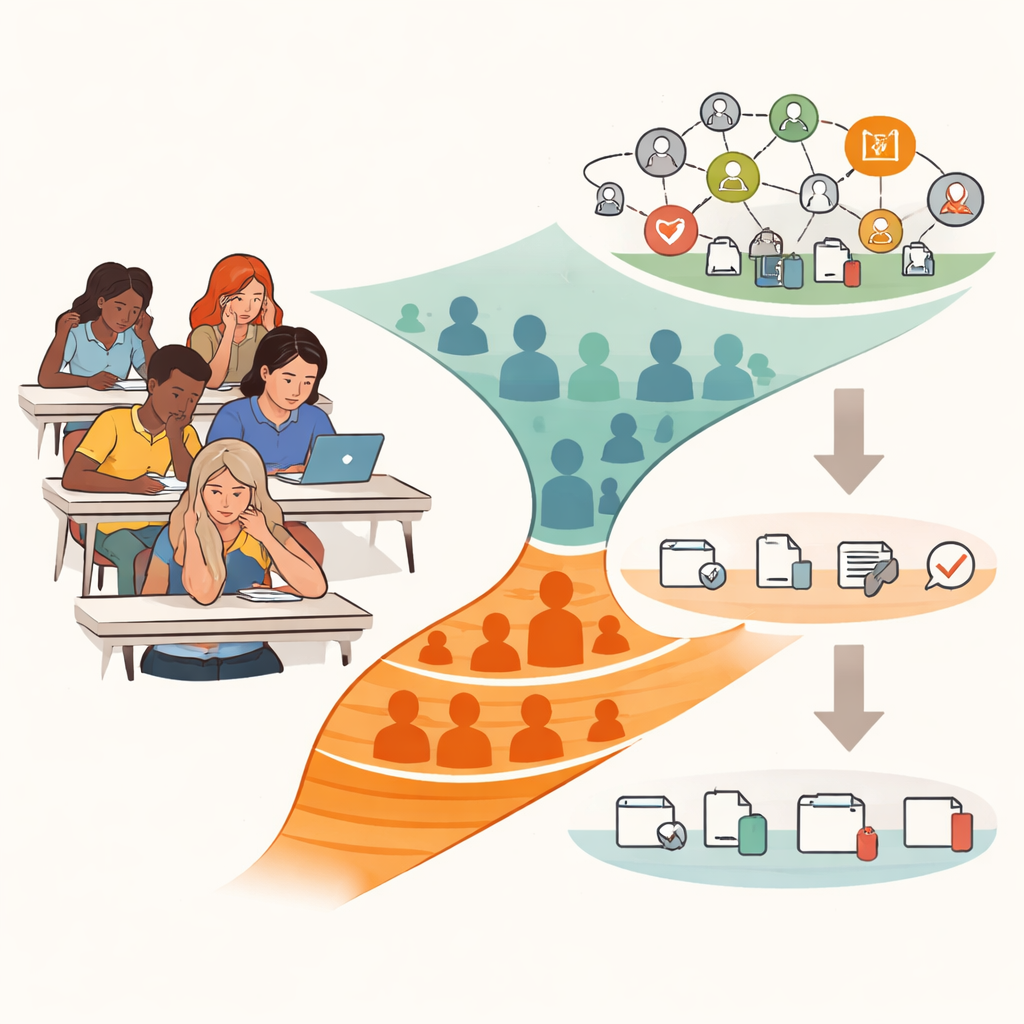
The researchers started by asking: what does “learning public health” mean to students? For some, learning is mainly about memorizing terms, formulas, and facts, or getting ready for tests. Others see it as making sense of ideas, applying knowledge to real problems, or even changing how they see health in everyday life. The team grouped these views into “lower-level” ideas (such as memorizing and preparing for exams) and “higher-level” ideas (such as understanding, applying, and gaining new perspectives). Overall, the 120 students in this study leaned more toward the higher-level views, suggesting that many already connect classroom material with real-life health issues.
How Study Habits Take Shape
Next, the study examined how students actually approach their coursework. Some take a “surface” path, doing just enough to get by, focusing on remembering what will be on the test. Others take a “deep” path, driven by curiosity, trying to connect ideas, explore beyond the syllabus, and really understand what they are learning. Using well-tested questionnaires, the researchers found that these public health students, on average, reported more deep motives and deep strategies than surface ones. In other words, many were not only interested in the subject but also willing to put in extra effort to grasp it more fully.
When Exams Push Students Toward Shortcuts
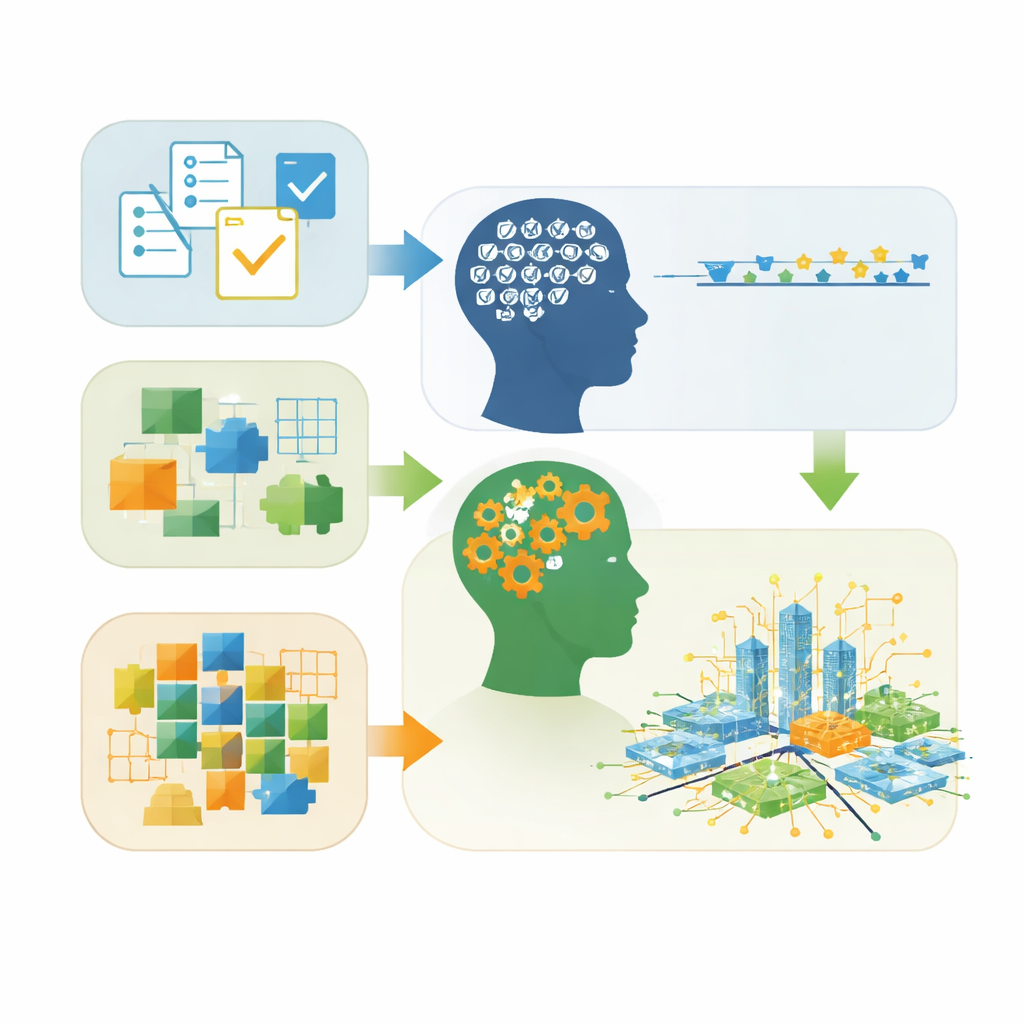
The team then linked students’ views of learning with their study habits. One key finding was that students who saw learning mainly as “preparing for tests” were much more likely to rely on surface approaches. They tended to study only what was required, aim for minimum effort, and focus on memorizing likely test questions. This pattern has been seen in other fields such as medicine and biology: when exams become the main goal, students often shift to short-term strategies that help them pass but do not support long-lasting understanding. For public health, where workers must solve complex, fast-changing problems, this overemphasis on tests is a warning sign.
Practice and Problem-Solving Can Spark Deeper Learning
Surprisingly, not all “lower-level” ideas were unhelpful. Students who thought of learning as “calculating and practicing” – that is, working through problems, practicing calculations, and testing themselves – were more likely to show deep motives and deep strategies. For these students, repeated practice was not just mindless drill; it became a way to challenge themselves, understand formulas, and make sense of public health concepts. This was especially clear among female students, for whom seeing learning as practice was linked to more thoughtful, deep strategies, while seeing it as exam preparation was tied to more surface approaches.
What This Means for Teaching Future Health Protectors
The authors conclude that how students picture learning strongly shapes whether they study for short-term scores or long-term understanding. To help future public health professionals think deeply and act wisely, educators should design courses that reward curiosity, problem-solving, and real-world application—not just test performance. Activities such as case discussions, community projects, and reflective assignments can encourage students to connect what they learn with the health of the communities around them. In simple terms, if universities want graduates who can protect public health, they must foster learning that goes beyond cramming for exams and toward understanding, practice, and lifelong engagement.
Citation: Lin, KH., Lin, KY. Assessing undergraduate students’ conceptions of and approaches to learning public health in Taiwan: a cross-sectional study. Humanit Soc Sci Commun 13, 246 (2026). https://doi.org/10.1057/s41599-026-06574-9
Keywords: public health education, student learning, deep learning approach, exam-oriented study, Taiwan undergraduates