Clear Sky Science · en
Harnessing Artificial Intelligence (AI) for enhanced organizational performance in public sectors
Why Smarter Government Matters
From paying taxes to getting a driver’s license, most of us deal with government services that can feel slow, paper-heavy, and confusing. This study looks at how artificial intelligence (AI) can help public agencies work smarter rather than harder. Focusing on major Vietnamese cities, the researchers ask a practical question: when governments invest in AI, which kinds of AI-driven activities actually make services more efficient and effective—and which ones might not yet be delivering on their promise?
What the Researchers Wanted to Find Out
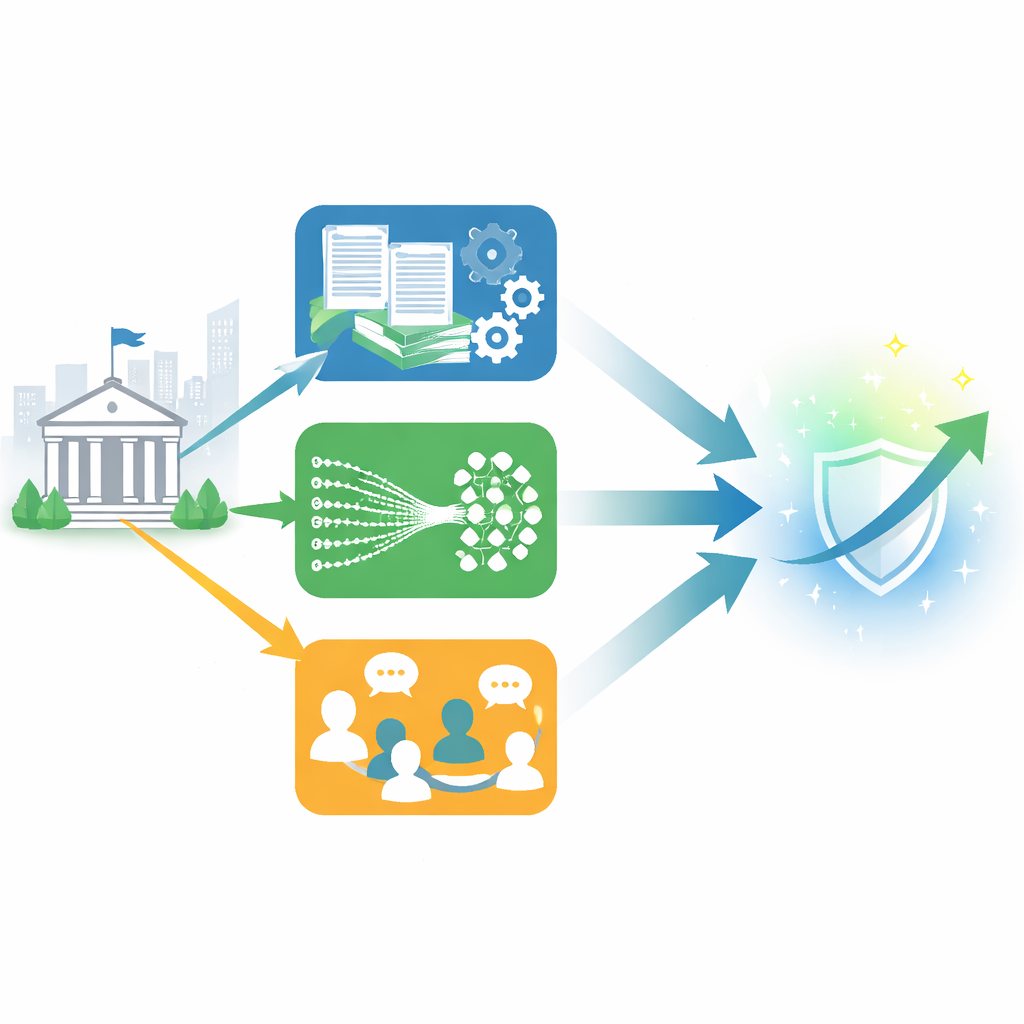
The authors examined “AI capabilities” in public organizations—essentially, the mix of technology, data, and skilled people needed to use AI well. Instead of treating AI as a single magic tool, they broke its effects into three everyday kinds of change: automating routine workflows, uncovering new insights from data, and improving interactions with citizens and employees. Their central aim was to see how each of these pathways contributes to overall organizational performance, such as better service quality, lower costs, and smoother operations.
How the Study Was Carried Out
To move beyond anecdotes, the researchers surveyed IT managers from 189 municipal departments across Vietnam’s five largest cities. These managers oversee digital projects and are on the front lines of AI experimentation in areas like traffic monitoring, legal assistance, public health, and citizen feedback. Using a statistical technique that can untangle complex cause-and-effect relationships, the team tested how strongly AI capabilities were linked to each of the three activity types, and in turn, how those activities related to reported performance improvements.
What AI Is Already Doing Well
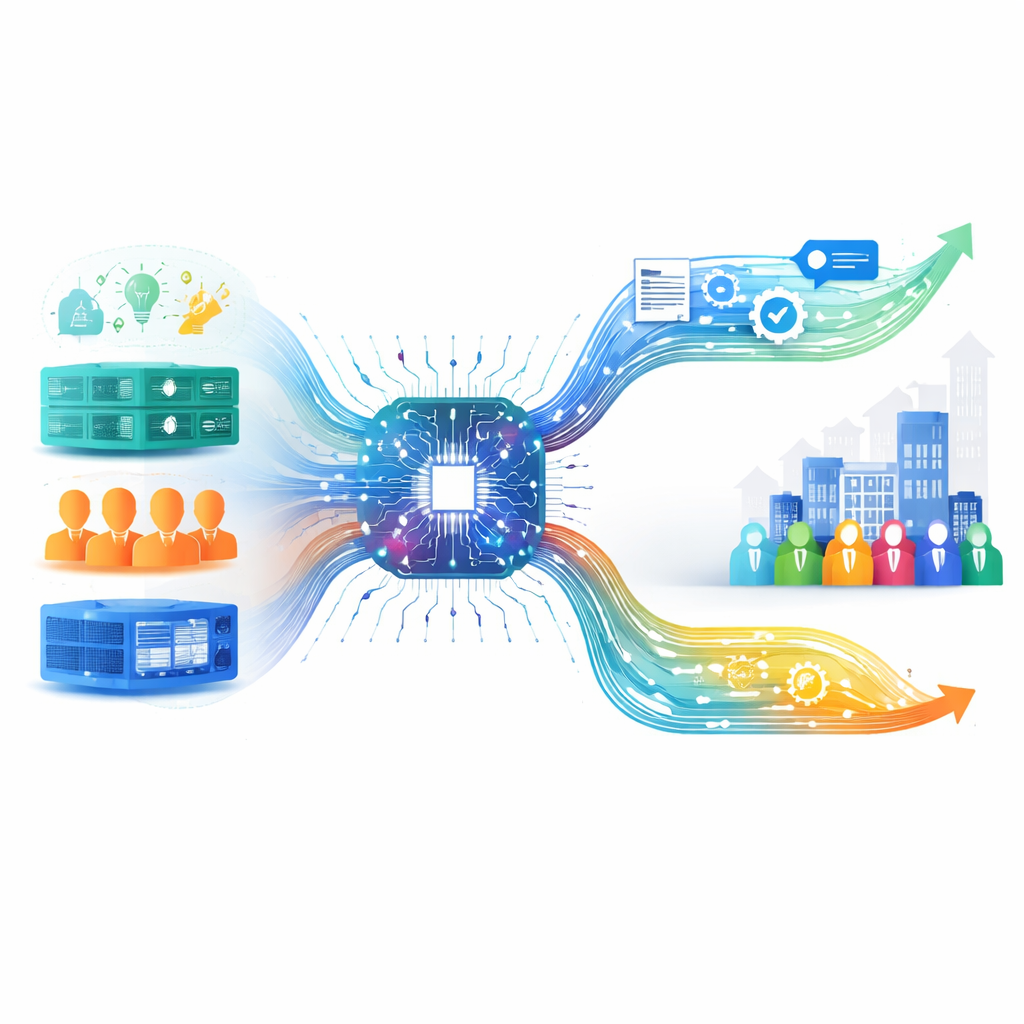
The results show that when public organizations have solid AI capabilities—reliable hardware and cloud services, good data, and skilled technical teams—they are more likely to automate workflows and generate fresh insights from their data. Both of these, in turn, are clearly associated with better organizational performance. Automation helps by speeding up repetitive tasks like form processing, document routing, and basic checks, which reduces errors and frees staff for more complex work. Novel insights help leaders spot patterns in citizen needs, forecast demand for services, and allocate resources more wisely. Together, these two pathways explain a substantial share of the performance gains that surveyed agencies attribute to AI.
Where Expectations Outrun Reality
Surprisingly, the third pathway—using AI to enhance interactions, for example through chatbots and virtual assistants—did not improve performance. In fact, its effect was slightly negative and statistically insignificant. The study suggests several reasons. Early-stage interaction tools often require heavy oversight, are not yet good at handling nuance or local language quirks, and may frustrate citizens who expect human understanding. Employees can also feel stressed or threatened by new systems they do not fully trust or understand. In such conditions, AI meant to improve communication can instead add friction, creating more workarounds and complaints than it resolves.
What This Means for Future Digital Government
For public agencies, the message is both hopeful and cautionary. AI clearly can help governments work better when it is used to streamline back-office processes and turn raw data into actionable insight. These are the areas where investments in infrastructure, data quality, and human expertise are already paying off. However, simply adding chatbots or automated helpdesks will not guarantee happier citizens or more effective services. To make AI-powered interactions truly helpful, governments need careful design, realistic expectations, strong oversight, and a focus on trust and human-centered service. In short, AI can be a powerful engine for better public services—but only when it is paired with the right capabilities and used where it genuinely fits.
Citation: Thanh, N.H., Cong, B.T. Harnessing Artificial Intelligence (AI) for enhanced organizational performance in public sectors. Humanit Soc Sci Commun 13, 305 (2026). https://doi.org/10.1057/s41599-026-06571-y
Keywords: public sector AI, digital government, workflow automation, data-driven decision-making, Vietnam public administration