Clear Sky Science · en
How do multiple Chinese actors conduct environmental communication on World Environment Day (2013–2022): a mixed-methods study
Why Messages About the Environment Matter
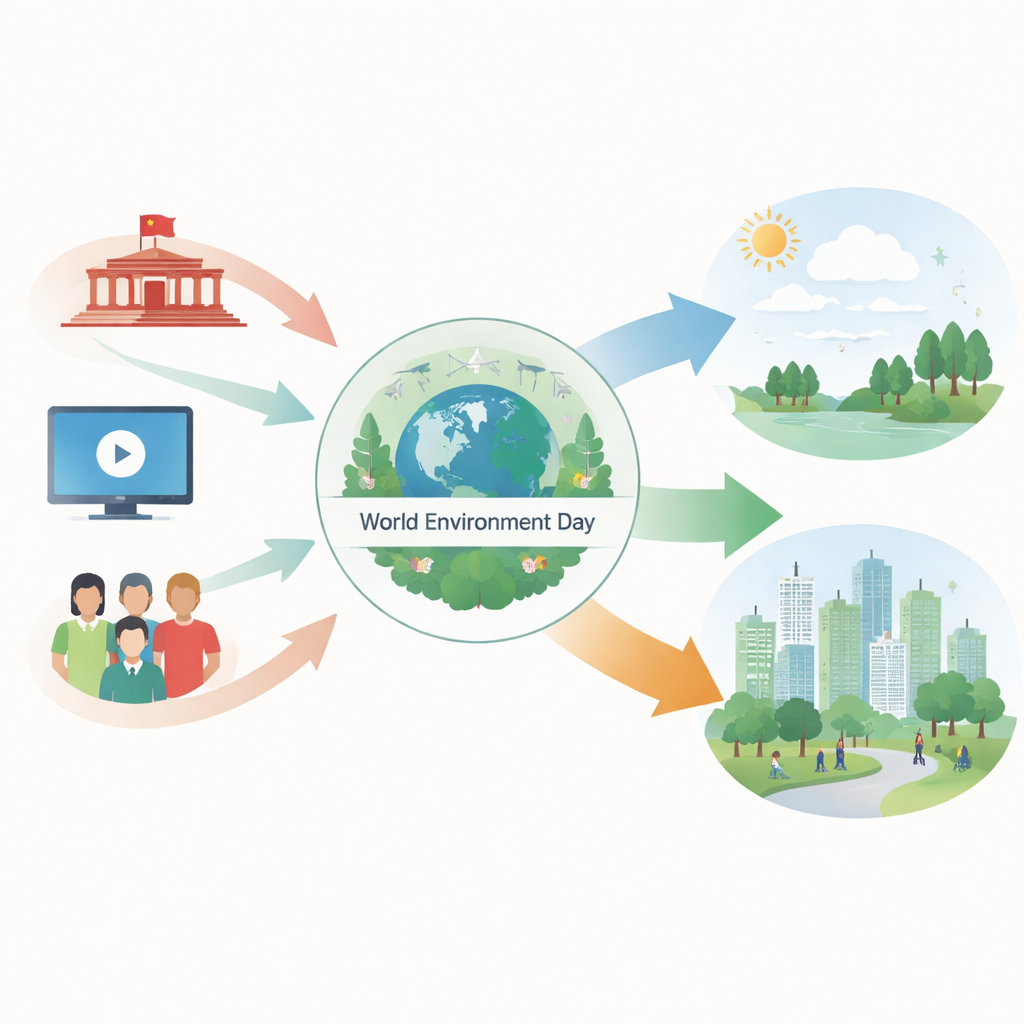
Every June 5, World Environment Day invites people around the globe to think about how human activities affect the planet. In China, this one day has become a powerful moment when government offices, news outlets, and ordinary citizens all talk publicly about pollution, green living, and the future of the country’s air, water, and ecosystems. This study looks closely at ten years of those conversations to understand who says what, how they say it, and how these voices work together—or not—to shape public concern and action on the environment.
One Day, Many Voices
The researchers focused on messages posted on or around World Environment Day from 2013 to 2022. They examined official announcements from China’s Ministry of Ecology and Environment, news reports from the influential newspaper People’s Daily, and hundreds of thousands of public posts on Weibo, a popular social media platform. By comparing these three streams, the authors asked two basic questions: What environmental topics did each group talk about, and what communication styles and tones did they use to talk about them?
Tracking Topics Across a Decade
Over the ten years, all three groups tended to rally around China’s own yearly slogan for World Environment Day, which is tailored to the country’s most urgent problems. In some years, air pollution and smog took center stage; in others, green lifestyles, plastic waste, or broad ideas like “ecological civilization” dominated. Using network-style analysis of keywords, the authors showed that early in the decade government, media, and citizens often talked past one another, focusing on different angles. But by 2021 and 2022 their conversations became much more closely aligned, with similar sets of words and concerns appearing in all three spaces.
Different Roles in the Same Conversation
The study finds that each actor plays a distinct role. Government messages tend to tell big-picture stories: they stress national progress, long-term plans, and calls for everyone to join in building a “beautiful” and “clean” China. Media reports sit in the middle, translating official themes into concrete cases and simple explanations—for example, by highlighting local clean-up efforts or explaining why waste sorting matters. Public posts are far more varied. Many echo the official optimism, but others question local conditions, complain about recurring dust storms or smog, or urge stronger laws and tougher action against polluters. In other words, citizens both support and scrutinize environmental efforts.
How Tone and Style Shape Impact
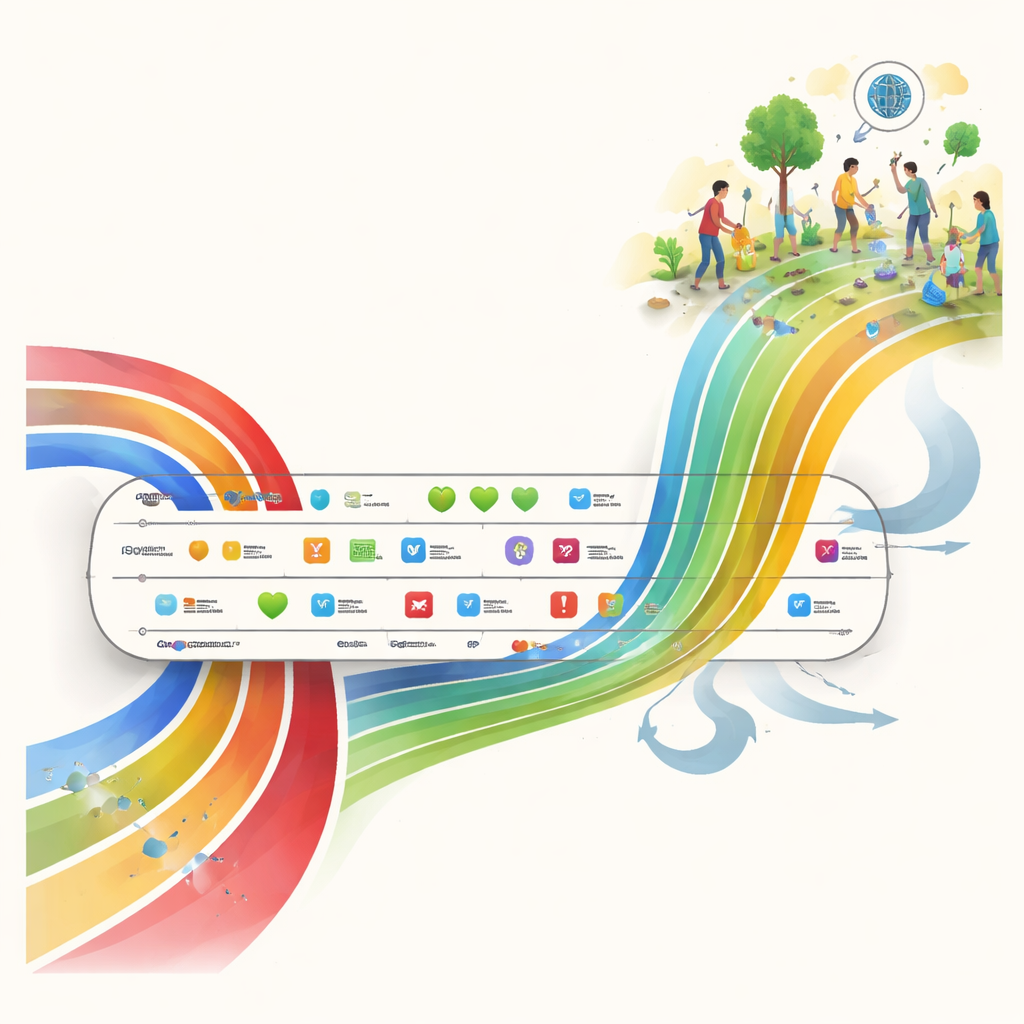
Beyond topics, the authors looked at how messages are framed and what emotions they convey. Government and media overwhelmingly favor positive language, celebrating successes and urging collective effort. They frequently use storytelling, comparisons, and emotional appeals to make environmental protection feel both patriotic and hopeful. Citizens mostly write in a straightforward, conversational style, but they also bring more neutral and negative feelings into the mix—sharing worries, frustrations, and demands for better enforcement. Over time, public posts increasingly call for participation in campaigns and for stronger environmental laws, suggesting that people are not only more aware but also more willing to push for change.
What Other Countries Can Learn
To a lay reader, the main takeaway is that coordinated messaging around a shared, locally relevant theme can help turn a symbolic day into a real driver of environmental awareness and participation. In China, World Environment Day has become a yearly pulse where government, media, and citizens talk about the same problems, but from different angles: policy vision, practical examples, and lived experience. The study suggests that when leaders keep the message hopeful, grounded in national realities, and open to citizen feedback, they can build broad support for environmental action while still leaving room for critical voices that push for deeper and more lasting change.
Citation: Xu, J., Zhou, S. & Guo, D. How do multiple Chinese actors conduct environmental communication on World Environment Day (2013–2022): a mixed-methods study. Humanit Soc Sci Commun 13, 278 (2026). https://doi.org/10.1057/s41599-026-06564-x
Keywords: World Environment Day, environmental communication, China, social media, public participation