Clear Sky Science · en
Advancing applied behavioral science: the GAP framework
Why Our Choices Matter More Than We Think
From signing up for a pension to clicking “accept” online, our daily choices are quietly shaped by subtle design decisions and powerful new technologies. This article introduces the GAP framework, a roadmap for governments, companies, and nonprofits that want to use insights about human behavior responsibly and effectively. It shows how classic ideas about habits and biases can be combined with artificial intelligence and real-world constraints to move beyond simple “nudges” toward smarter, fairer, and more transparent ways of influencing behavior.
Looking At Behavior With Fresh Eyes
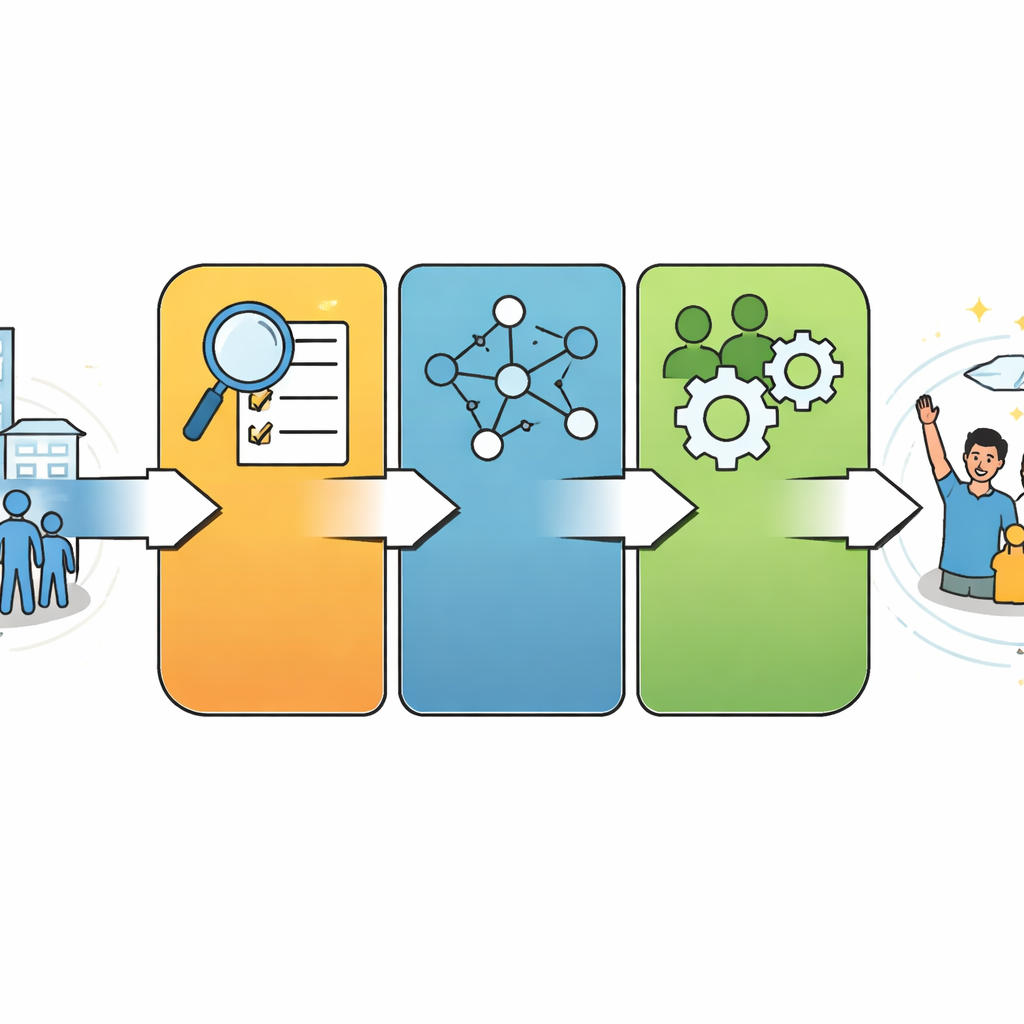
The first part of the GAP framework, General Tools, focuses on what behavioral science already knows about how people think and act. The authors group many famous findings into a simple lens called SHELL: we are guided by social influence, habits, emotions, limited mental bandwidth, and limited self-control. This lens helps organizations move beyond the usual assumptions that people just need more information or bigger incentives. Instead, it encourages them to ask: Are people copying others? Acting on autopilot? Overwhelmed by complex options? Tired or stressed? Seeing problems through SHELL is meant to be a diagnostic step before anyone designs a solution.
Finding Hidden Obstacles Inside Systems
Once the main drivers of behavior are suspected, the framework highlights behavioral audits as a way to uncover what is really going wrong inside an organization. Sludge audits look for needless hurdles—forms, steps, and delays that waste time and energy. Bias audits search for unfair patterns in decisions such as hiring or lending, while noise audits look for random inconsistency between people who should be judging cases in similar ways. Together, these audits reveal when systems are confusing, unfair, or unreliable. Only after this diagnostic work does the familiar idea of “choice architecture” enter: small changes to how options are presented, such as defaults, reminders, or simplified layouts, designed to make good choices easier without restricting freedom.
Bringing Smart Machines Into The Picture
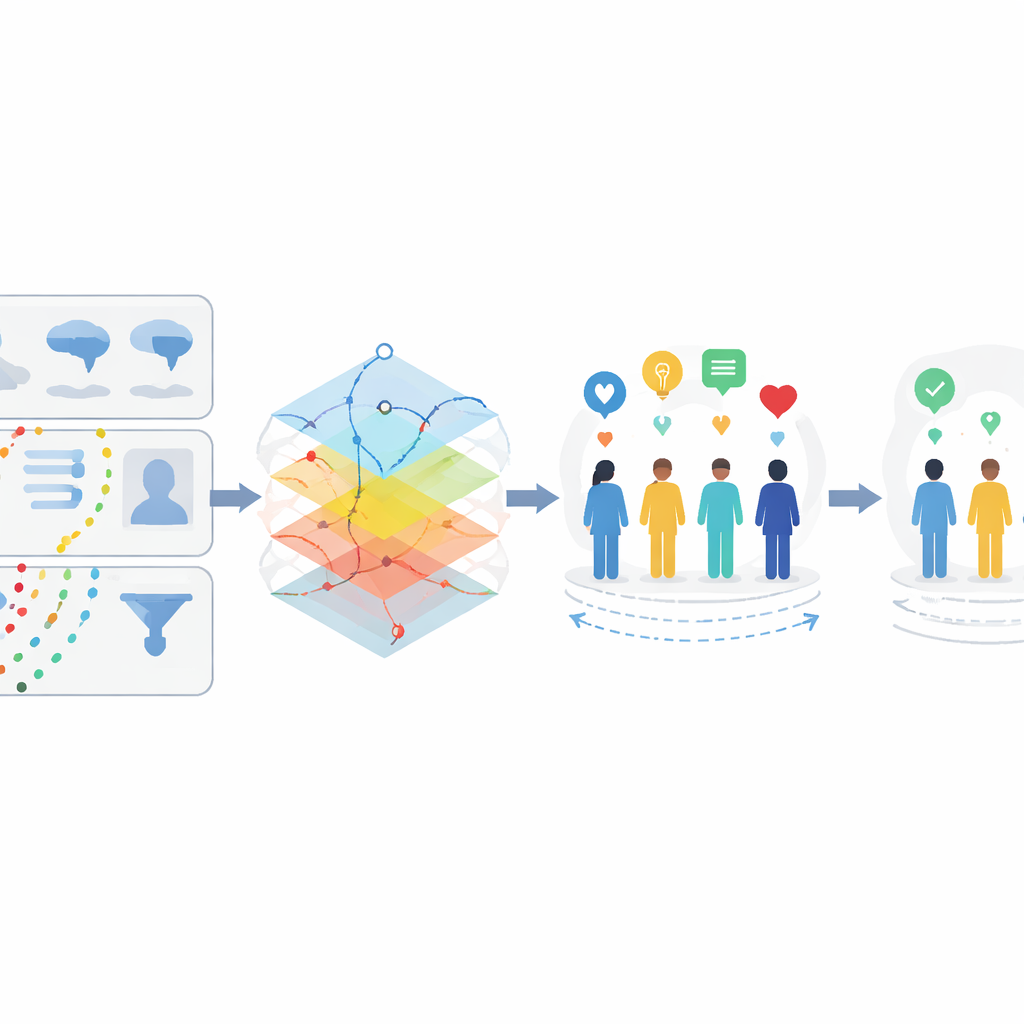
The second pillar of GAP, Algorithms, explains how new data tools—especially artificial intelligence—can supercharge behavioral science if used well. AI can open up new forms of data collection, from scanning millions of messages for mood and opinion to running mega-studies that compare dozens of interventions at once. It can also spot patterns in huge datasets that humans would miss, such as how long it really takes for a habit to form or which factors most strongly predict vaccine hesitancy. In addition, AI systems can deliver tailored prompts or recommendations at the right moment and at massive scale. At the same time, the authors warn that these same tools can be misused to manipulate people or invade privacy, making ethical safeguards and oversight essential.
Making Behavior Science Work In Real Organizations
The third pillar, Practical Considerations, recognizes that even the best ideas fail without the right people, rules, and methods. Using the mnemonic TEAM, the authors discuss how to build behavioral insights teams, decide whether to centralize or spread them across departments, and combine skills from psychology, economics, data science, law, and more. They emphasize the need for clear roles, ethical guidelines, and respect for privacy laws like Europe’s data protection rules. Costs also matter: some nudges are cheap and highly cost-effective, while advanced AI systems demand heavy investment and careful cost–benefit analysis. Finally, the framework stresses the importance of rigorous testing—through experiments, field trials, and other research methods—so organizations learn not just “what works,” but for whom, in which settings, and at what price.
Fitting Old And New Pieces Together
Rather than replacing popular models such as COM-B, MINDSPACE, or EAST, the GAP framework is designed to sit above them and connect the dots. SHELL and audits sharpen diagnosis, existing behavior-change models help design interventions, algorithms extend what can be seen and scaled, and TEAM keeps everything grounded in real-world structures, ethics, and budgets. The authors are frank about the limits of their proposal: GAP does not catalogue every possible technique, and there is a risk that any framework can narrow debate or overlook deeper system changes that might be needed. They call for more comparative studies of different strategies and for updates to GAP as technology and regulation evolve.
What This Means For Everyday Life
In plain terms, the GAP framework is a guide for using science about human behavior in smarter, more thoughtful ways. It urges practitioners to diagnose problems carefully before jumping to solutions, to pair human judgment with the pattern-finding power of algorithms, and to build teams and rules that keep influence transparent and fair. As public bodies and companies increasingly shape our choices—both offline and online—GAP offers a way to harness these tools to improve health, finances, and social outcomes while still respecting people’s autonomy and diversity.
Citation: Costa, S., Mills, S., Duyck, W. et al. Advancing applied behavioral science: the GAP framework. Humanit Soc Sci Commun 13, 261 (2026). https://doi.org/10.1057/s41599-026-06542-3
Keywords: applied behavioral science, nudging and choice architecture, artificial intelligence in policy, behavioral audits, organizational decision-making