Clear Sky Science · en
Many DEI initiatives are viewed as generally effective by students and educators
Why Campus Belonging Matters to Everyone
College is about more than lectures and exams. It’s also about whether people feel they belong, can be themselves, and have a fair shot at success. This study looks at the real-world impact of diversity, equity, and inclusion (DEI) efforts on North American campuses, especially in environmental science programs. At a time when such initiatives are being cut or challenged by new laws and political debates, the authors ask a simple but crucial question: do the people who live and work in these spaces actually find DEI efforts helpful?
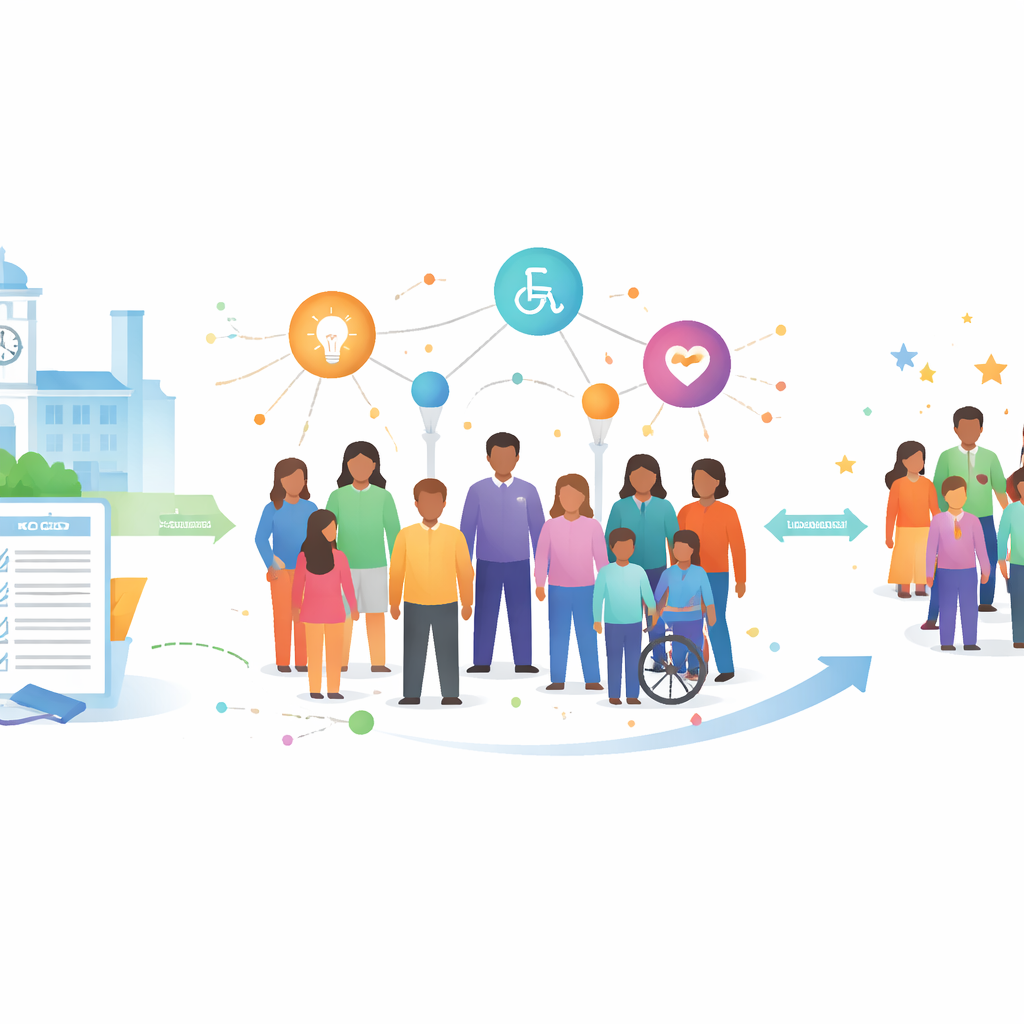
Taking the Pulse of Students and Educators
The researchers surveyed hundreds of undergraduate and graduate students, faculty, staff, and postdoctoral researchers at U.S. institutions that train environmental scientists. Participants rated how effective they found dozens of different DEI efforts, from campus-wide offices and childcare support to classroom practices and course content. They used a standard 5-point scale ranging from “not effective” to “extremely effective,” and also answered open-ended questions about what makes an effort work well—or fall flat. Demographic questions about race, gender, sexuality, disability, and academic path allowed the team to see whether certain groups experienced these initiatives differently.
Most Efforts Help, and Some Stand Out
Across the board, respondents viewed DEI initiatives positively. Nearly three-quarters of the 40 practices examined were rated moderately to very effective, and most individual ratings clustered on the “helpful” side of the scale rather than at the extremes. Several types of support rose to the top. Family care—such as childcare and help with basic needs—was among the highest-rated efforts, reflecting how many students and faculty juggle caregiving with academic life. Diverse leadership and well-resourced mentorship programs were also seen as powerful, giving people role models, guidance, and a sense that decision-makers share and understand their experiences. In the classroom, accessible materials, flexible policies, outdoor activities designed to be inclusive, and guided discussions that build critical thinking and invite multiple perspectives were especially valued. By contrast, climate surveys, one-off trainings, and formal DEI committees were rated only moderately effective, often seen as distant from day-to-day student experience even when they were not outright harmful.
Different Groups, Shared Benefits
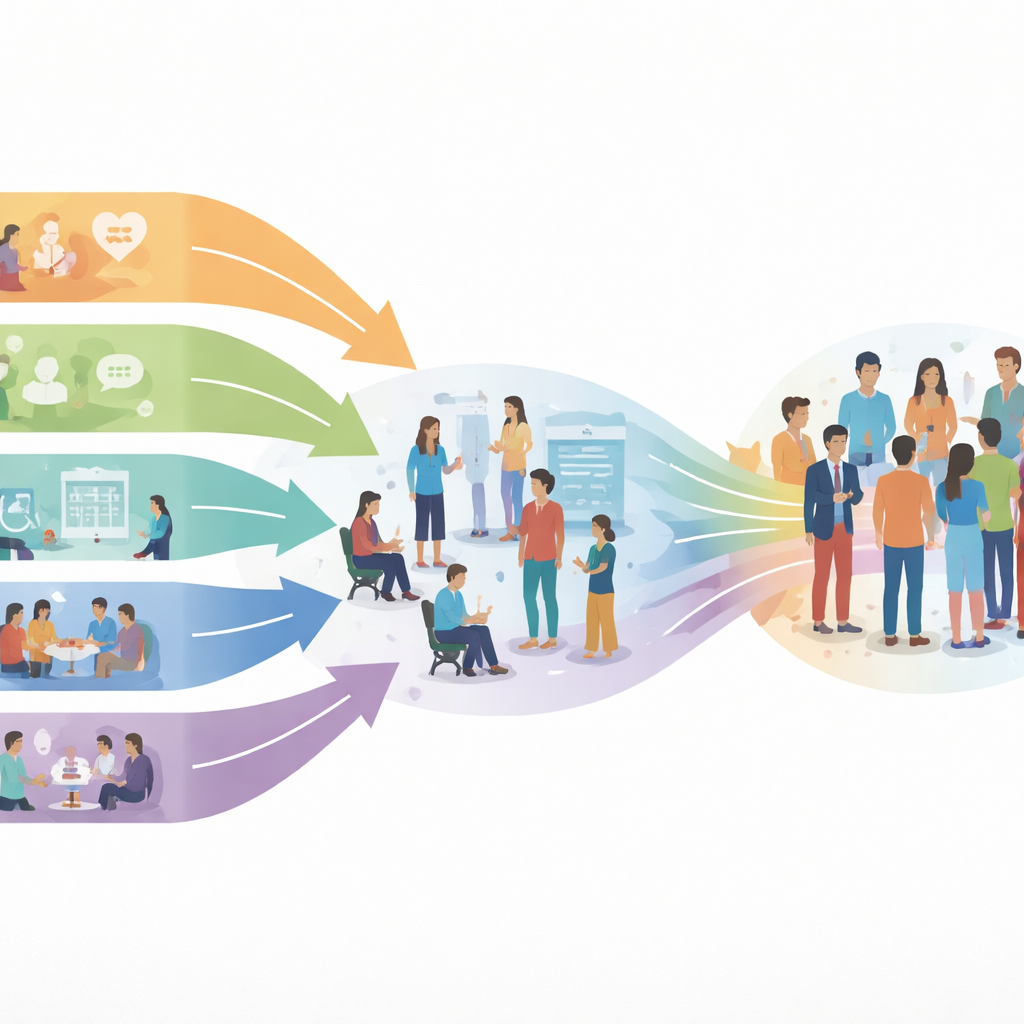
Students tended to rate DEI initiatives as more effective than faculty and staff did, especially when it came to accessibility: things like flexible assignments, accessible buildings and field trips, anonymous feedback systems, and symbolic gestures such as pronoun sharing and DEI statements in syllabi. For students, these visible signals and practical supports clearly communicated safety and respect. Faculty were more skeptical of some symbolic and bureaucratic elements but agreed that strong mentoring, diverse leadership, and relevant, critical course content matter. People from groups that face additional barriers in academia—such as women, queer and gender-expansive individuals, and non-traditional students or faculty—often found DEI efforts even more effective than their peers did. They especially valued initiatives that addressed family responsibilities, career advancement, outdoor accessibility, and course content that acknowledges harmful histories and challenges narrow views of gender and sexuality.
What Makes Inclusion Efforts Work—or Fail
The open-ended answers reveal that effectiveness is not simply about having a program in place; it is about how deeply it is woven into campus life. Respondents said the best efforts are well integrated across classrooms and campus life, backed by real resources, and led by people who are knowledgeable, trustworthy, and able to foster open, respectful conversations. They emphasized clear goals, honest feedback loops, visible follow-through, and representation of many identities in planning and leadership. By contrast, the least effective efforts felt symbolic or performative: unfunded committees with vague mandates, trainings that shame rather than educate, and policies that exist on paper but never change daily experiences. People were wary of standardized, one-size-fits-all approaches and of initiatives that tokenize marginalized individuals or overburden them with unpaid DEI labor.
What This Means for the Future of Campus Life
This study counters the claim that DEI programs broadly “do nothing” or divide campuses. Most surveyed students and educators, across many identities, see tangible benefits from inclusive policies and practices—particularly those that meet basic needs, open doors to leadership and mentorship, and create classrooms where difficult topics can be discussed thoughtfully. At the same time, the research highlights that some high-profile tools, like surveys and generic trainings, need better design, clearer goals, and stronger support to live up to their promise. For institutions facing political pressure to roll back DEI, these findings send a clear message: when done thoughtfully and resourced properly, inclusion efforts help not just marginalized groups, but the campus community as a whole.
Citation: McCaslin, H., Pearce, T., Martinson, S. et al. Many DEI initiatives are viewed as generally effective by students and educators. Humanit Soc Sci Commun 13, 247 (2026). https://doi.org/10.1057/s41599-026-06524-5
Keywords: university diversity initiatives, campus inclusion, student belonging, higher education policy, mentorship and accessibility