Clear Sky Science · en
The evolving landscape of gender equality in Japanese higher education, research, and innovation
Why this story matters
Japan is one of the world’s scientific powerhouses, yet women remain strikingly scarce in its universities and research labs, especially in science and engineering. This article traces how Japan is trying to change that picture through national policies, university reforms, and new ways of doing research. For readers interested in education, innovation, or social change, it offers a window into how one country is learning that gender equality is not only a matter of fairness, but also a source of fresh ideas and economic resilience.
From slow progress to a push for change
For decades, women in Japan have been underrepresented in higher education and research, and formal anti-discrimination laws have not been enough to close the gap. The authors show how this problem intersects with broader national challenges, such as a shrinking population and slowing economic growth. Historically, men dominated the workforce and research system, while women’s talents were underused. In recent years, however, policymakers have begun to see that simply adding more people to the workforce is not sufficient; Japan needs a more varied mix of perspectives to spark new ideas. This has helped shift the conversation from treating gender equality as a side issue to viewing it as central to the country’s future.
Plans that link equality and innovation
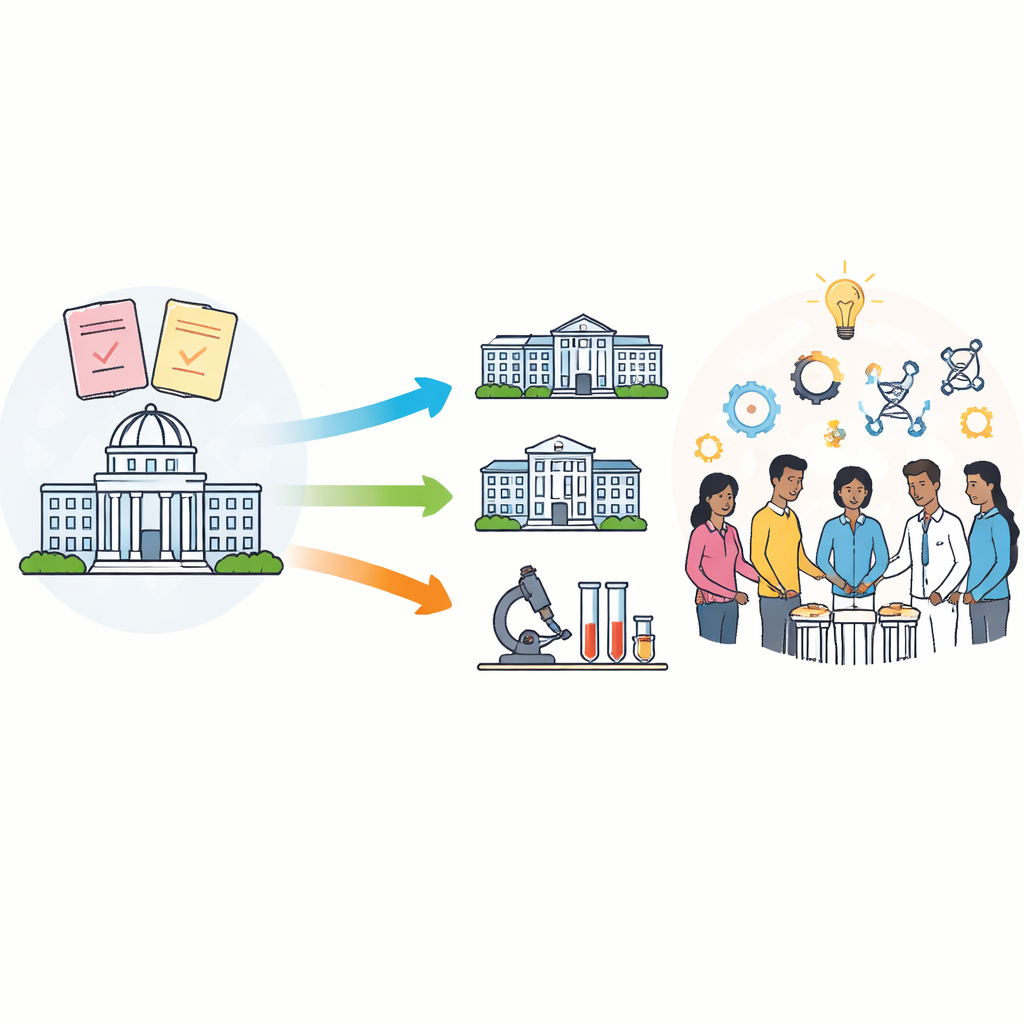
Japan’s government has created a series of national “basic plans” that set goals and priorities for gender equality and for science, technology and innovation. Earlier plans focused on employment rights, work–family balance, and protecting women from violence—crucial foundations that still have not been fully achieved. More recent plans go further by explicitly tying gender equality to the quality of science and technology. They argue that teams made up of people with different backgrounds are more likely to combine ideas in new ways, a view consistent with classic theories of innovation. In practice, this means pushing universities and research institutes to involve more women at all levels, from students to leaders, and to consider how differences between men and women might shape research questions, methods, and products.
Targets, quotas, and women-only hiring
One of the most visible changes in universities has been the use of women-only hiring for faculty posts and the introduction of quotas for female students, especially in science and engineering. Women-only posts were controversial when first tried at a major national university in 2009, but they have since spread across the country. Evidence from Kyushu University suggests that women hired through these special positions publish at least as many, and sometimes more, high-impact papers as colleagues hired through standard routes, especially at early career stages. On the student side, the education ministry now encourages universities to reserve places for women in certain admissions tracks. At institutions such as the former Tokyo Institute of Technology, raising female quotas has already led to clear jumps in the share of women among incoming students. Still, these steps raise debates about fairness and how best to balance corrective measures with concerns about merit.

Rethinking how research itself is done
The article also highlights a quieter but potentially transformative trend: re-examining research content through a gender lens. A new Institute for Gendered Innovations at Ochanomizu University and similar efforts at other campuses encourage scientists and engineers to ask how gender and related differences affect their work. This can range from designing household technologies that reflect how tasks are actually shared, to building digital tools and smart cities that serve a wider variety of users. These initiatives foster collaborations between universities, companies, and government agencies, provide training for students and staff, and integrate gender questions into research ethics and project design. Over time, they aim to move gender awareness from specialized centers into the everyday routines of labs, classrooms, and product development.
Gender equality as a concern for everyone
Another important shift is cultural: gender equality is increasingly framed not as a women’s issue, but as a concern for all members of society. Large universities are setting up diversity committees that include people of different genders and roles, and they are charged with addressing bias and outdated expectations. Some boys’ schools now teach about topics such as menstrual health, pay gaps, and shared caregiving, inviting young men to question traditional ideas about masculinity. These developments suggest that, alongside formal policies, everyday education and institutional practice are slowly changing how people think about gender and fairness in Japan.
What this means for the future
The authors conclude that Japan’s experience reveals both the promise and the limits of relying on national plans to reshape universities and research. On the positive side, government pressure and funding have helped raise the number and visibility of women in key fields and encouraged new thinking about how science is done. Yet progress is uneven, and numbers alone cannot overturn deep-seated habits and expectations. For lasting change, policies must be matched by shifts in campus culture, active participation by men and other underrepresented groups, and closer engagement with international ideas about diversity. Ultimately, the article argues that gender equality is not just about correcting injustice; it is also a powerful engine for creativity and resilience in science, higher education, and society as a whole.
Citation: Watanabe, M.O., Sasaki, N. The evolving landscape of gender equality in Japanese higher education, research, and innovation. Humanit Soc Sci Commun 13, 235 (2026). https://doi.org/10.1057/s41599-026-06516-5
Keywords: gender equality, Japanese universities, women in STEM, higher education policy, innovation and diversity