Clear Sky Science · en
Pattern poetry and ludic relief in Zeina Hashem Beck’s oeuvre
Poems that Play with Shape and Sound
What if a poem could look like an hourglass on the page, or read like a conversation between two different alphabets? This article explores how Lebanese poet Zeina Hashem Beck turns language itself into a playground, using English, Arabic, and French, as well as unusual page layouts, to soften the impact of hard subjects like war, exile, illness, and loss. By tracing her books over a decade, the authors show how visual and multilingual tricks on the page can offer both writer and reader a surprising sense of emotional relief.
Finding Comfort in a City of Many Tongues
Hashem Beck grew up in Lebanon speaking Arabic and French, and later studied and wrote in English. Her first collection, To Live in Autumn, is a love letter to Beirut written mainly in English but sprinkled with Arabic and French words. In this early work she handles multilingualism gently, translating unfamiliar phrases in a short glossary and marking them in italics. These small shifts between languages already create a sense of play: the reader is nudged to notice how different tongues color memories of home, war, and family life. At the same time, the foreign words create a tiny distance, making painful scenes feel slightly less direct and more bearable.
When Poems Become Pictures
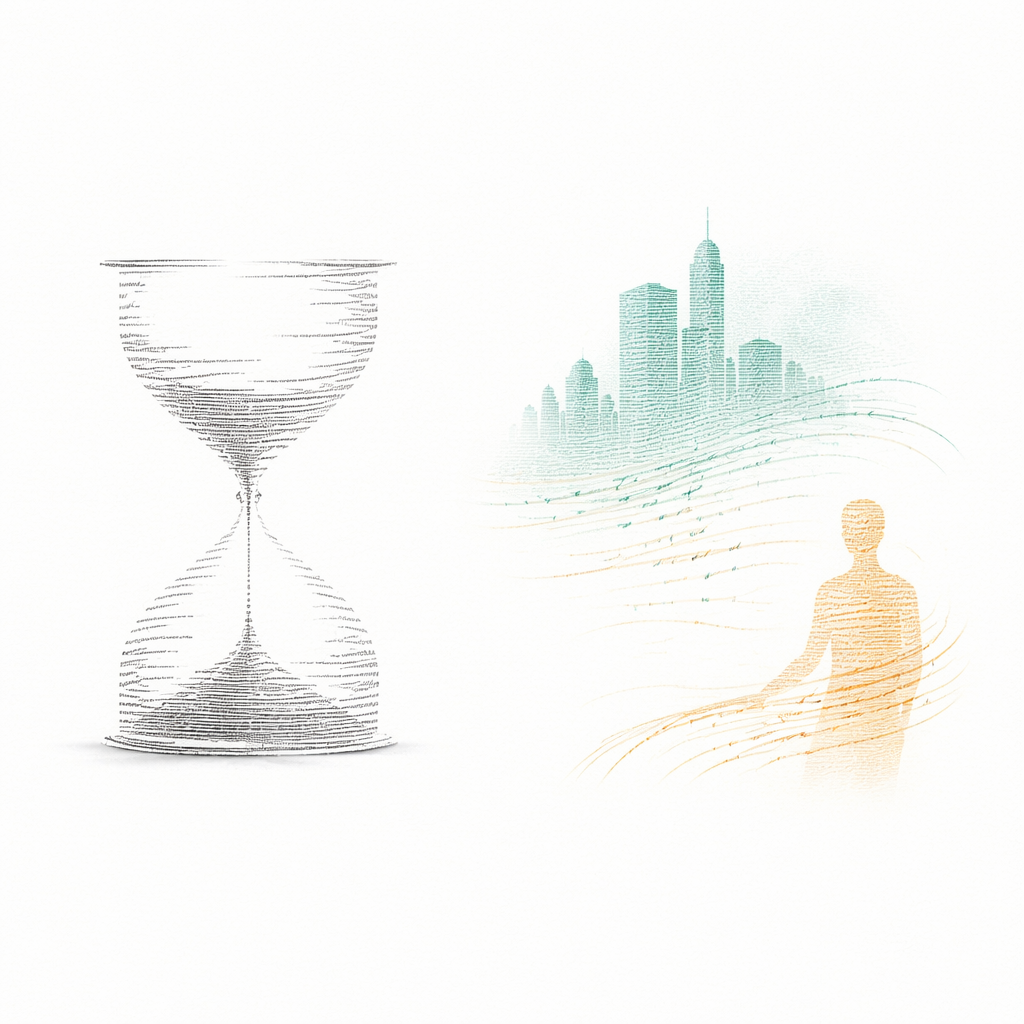
As her career develops, Hashem Beck becomes bolder—not only in the languages she mixes, but in the shapes her poems take on the page. In chapbooks like 3arabi Song and the collection Louder Than Hearts, she begins to use Arabic script itself, as well as “Arabizi,” a style of writing Arabic sounds with numbers and Latin letters familiar from texting. One standout poem, “Listen,” is arranged in two mirrored triangles that resemble hourglasses. The lines narrow toward the center, where a single explosive moment in a bombing is marked, then expand again. By making the poem look like a physical object associated with time and urgency, Hashem Beck turns the reading experience into something visual and almost tactile. The reader feels the panic of waiting for news during an air raid, but the intricate pattern also offers a strange beauty—a kind of “ludic relief,” or playful easing, from the horror being described.
Two Alphabets in Conversation
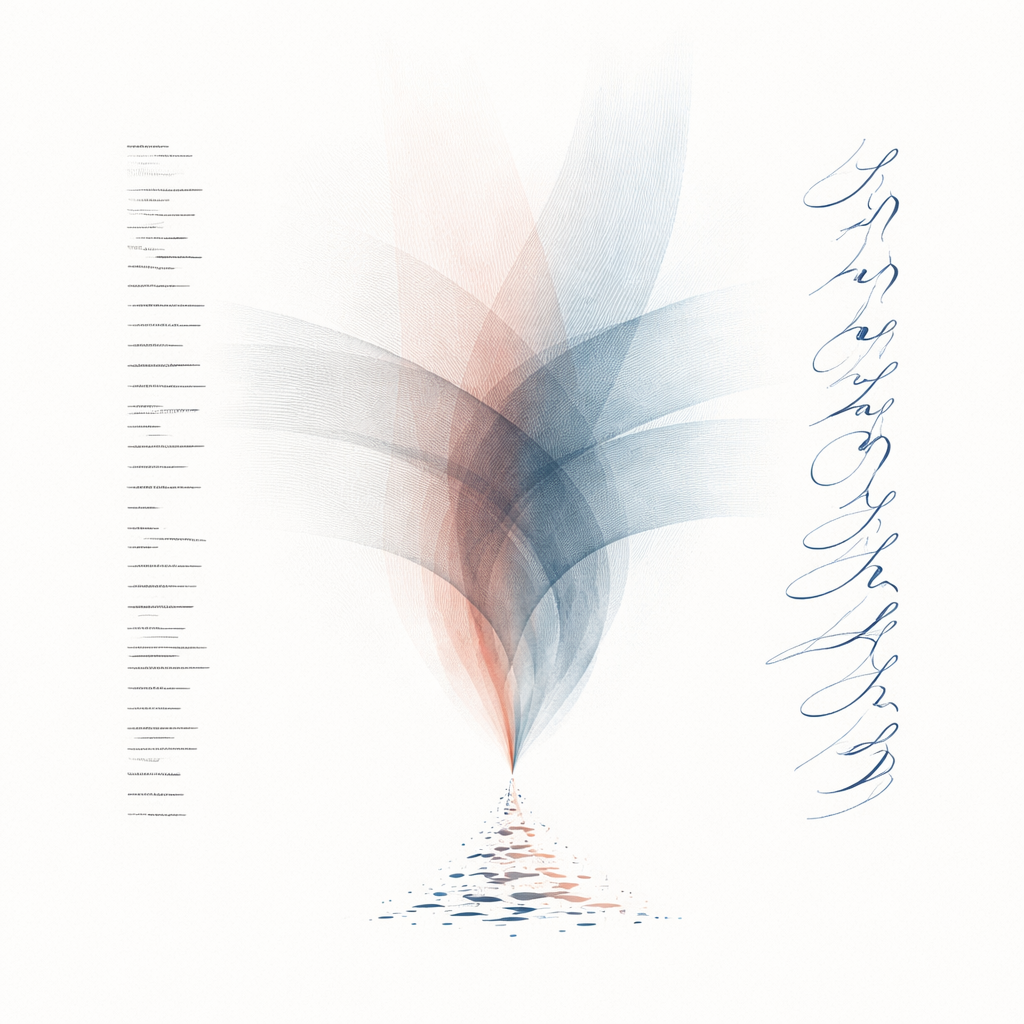
In her most recent book, O, Hashem Beck pushes this experimentation further with new forms the article calls “duets” and “triptychs.” In a duet, English lines hug the left margin while Arabic lines hug the right, each forming a poem on its own. Read together across the page, they create a hidden “third text” in which memories, timelines, or emotional tones echo and contradict each other. There is no glossary: Arabic is no longer a side note for English readers, but a full partner. Some duets stage a split between past and present, or between life in Beirut and life in Europe or North America, letting the reader feel exile as a visual gap between two scripts that nevertheless share the same white page.
Stories Told in Three Panels
The triptychs in O borrow the three-panel structure of religious paintings to explore themes of self, country, and relationships. Each vertical strip focuses on a different angle—“you,” “my country,” and “I,” for example—but can also be read across the page line by line, like a puzzle-image slowly resolving. These poems weave in references to music, prayer, and myth; one even ends with scattered letters of the word “bougainvillea,” arranged so they resemble falling petals. Such graphic choices do more than decorate the page. They mirror the experience of fragmented identity, layered languages, and repeated departures, while at the same time inviting the reader to play: to tilt their head, re-read, and reassemble meaning.
How Play Softens Pain
By following Hashem Beck from her early, carefully translated phrases to the fearless blending of scripts and shapes in O, the article argues that formal play becomes a kind of emotional strategy. War, displacement, illness, and anxiety remain central in her work, but they are filtered through puns, visual patterns, and cross-lingual echoes that slow the reader down and open room for curiosity and even joy. For non-specialists, the key idea is that poetry’s “games”—with layout, sound, and multiple languages—are not mere ornament. They can change how we carry heavy experiences, offering both writer and audience a space where pain is acknowledged yet held within patterns of beauty, surprise, and inventive design.
Citation: Hambuch, D., Alshehhi, A., Alkarbi, N. et al. Pattern poetry and ludic relief in Zeina Hashem Beck’s oeuvre. Humanit Soc Sci Commun 13, 198 (2026). https://doi.org/10.1057/s41599-026-06497-5
Keywords: multilingual poetry, visual poetry, Arab diaspora, war and exile, poetic form