Clear Sky Science · en
Examining local level variation in Special Educational Needs and Disabilities (SEND) service provision and associated data sources in England: a scoping review
Why this matters for families and communities
Across England, whether a child with special educational needs and disabilities (SEND) gets the help they need can depend heavily on where they live. This review looks across more than a hundred reports and data sources to ask a simple but pressing question: why does support for these children vary so much from one local area to another, and what information do we already collect that could help fix this? The answers reveal a system under pressure, with big consequences for children, families, and the public purse.
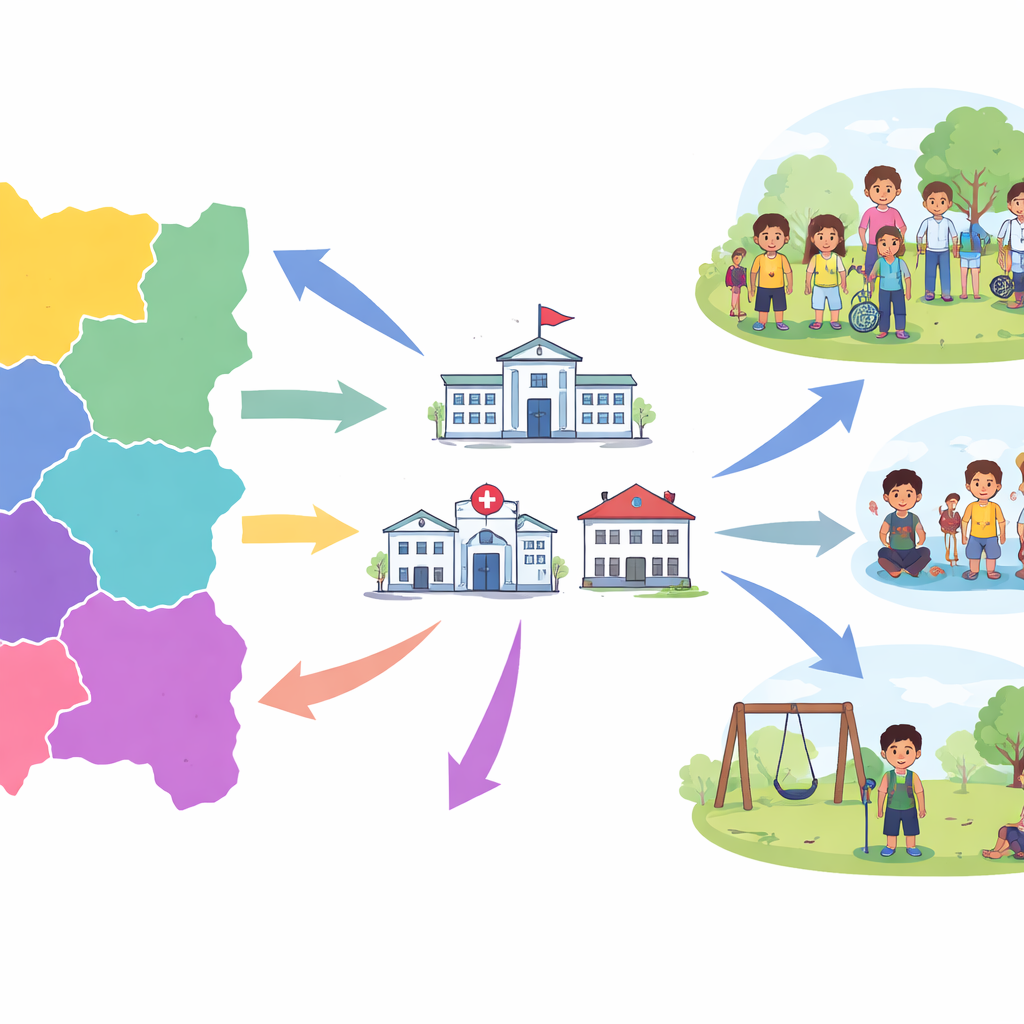
How the system is supposed to work
England’s SEND system was overhauled in 2014 with the aim of being more child-centred and joined-up. Children and young people who need significant extra help are meant to receive Education, Health and Care Plans (EHCPs), which legally bind schools, health services and social care to a shared plan of support from birth to age 25. Others receive lighter-touch “SEN Support” organised mainly by schools. Local authorities (LAs) are responsible for assessing needs, issuing and reviewing EHCPs, and publishing a “Local Offer” website that sets out the help available in their area. At the same time, more and more schools have joined multi-academy trusts (MATs), large groups of schools run by a single organisation that operates at arm’s length from the council.
What is going wrong on the ground
The review finds that, more than a decade on, the promise of the reforms has not been fully realised. Complaints about SEND decisions have reached record levels, with most tribunal appeals decided in favour of families. Outcomes for children with SEND remain far worse than for their peers, and many areas report long waits for assessments, low-quality EHCPs, and families feeling unheard and exhausted. Local authorities entered the reforms underfunded and underprepared; many still struggle to keep up as the number of pupils identified with SEND, especially autism and social, emotional and mental health needs, has risen sharply while resources have lagged behind.
Why support varies from place to place
A central message of the review is that variation is built into the system. Funding for SEND differs between local authorities, pushing some to ration support or make decisions based on budgets rather than needs. The processes for deciding who gets an EHCP, how plans are written, and how strongly a child’s own views are recorded all differ widely from one area to another. Some councils provide clear, detailed plans with practical, measurable goals; others produce brief or generic documents that are hard to act on. Heavy paperwork and shortage of trained staff leave special needs coordinators (SENCos) overstretched, harming cooperation between schools, health and social care. Emerging evidence suggests that MATs can either help or hinder, depending on leadership and priorities, but their impact on SEND is still poorly studied and loosely overseen.
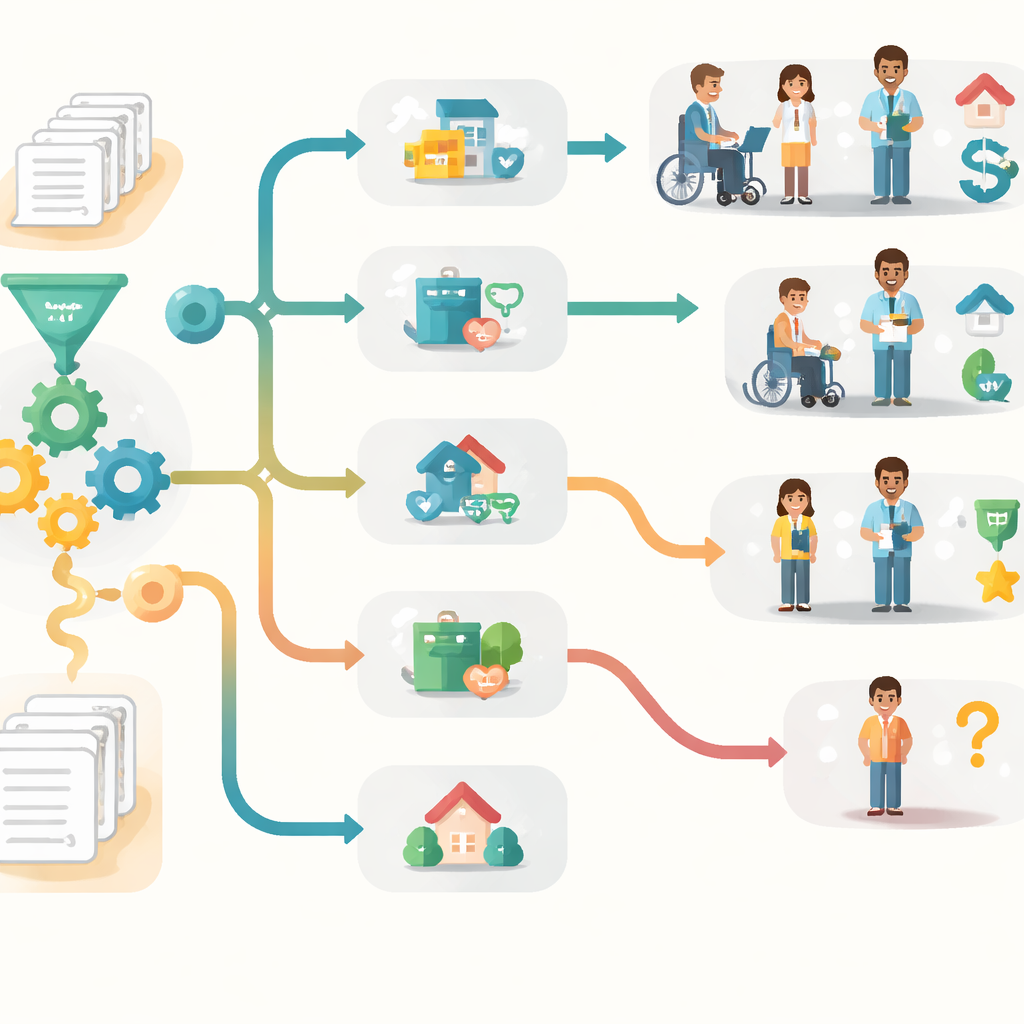
Missed voices, weak evidence and hidden data
Although many reports gather feedback from children, parents and professionals, most of this work is methodologically weak, especially council-led studies of their own services and Local Offer websites. This makes it hard to rely on such findings when planning improvements. At the same time, there is a surprising wealth of national administrative data: counts of EHCPs, spending plans, complaints to the Ombudsman, tribunal appeals, and detailed school statistics that can be combined in online tools. Yet these datasets are rarely pulled together to monitor how fairly and effectively councils and MATs are supporting children, and they are often not broken down by factors such as ethnicity or poverty that are known to shape access to services.
What needs to change for children and families
To a lay observer, the bottom line is stark: a child’s chances of receiving timely, appropriate SEND support still look too much like a postcode lottery. The review concludes that this can be reduced, but only if several things happen at once: more stable and adequate funding; clearer national standards for assessments and EHCPs; better training and time for frontline staff; and stronger, transparent use of the data we already collect to track performance and fairness across local authorities and academy trusts. Done well, this would not only ease the burden on families but also help ensure that children with SEND, wherever they live, have a fair chance to learn, participate and thrive.
Citation: Saxton, J.C., Albajara Saenz, A., Williams, O. et al. Examining local level variation in Special Educational Needs and Disabilities (SEND) service provision and associated data sources in England: a scoping review. Humanit Soc Sci Commun 13, 306 (2026). https://doi.org/10.1057/s41599-025-06319-0
Keywords: special educational needs, SEND provision, education policy England, local authority variation, multi-academy trusts