Clear Sky Science · en
Evaluating health equity in Australian telehealth policies: a policy review
Why Telehealth Fairness Matters
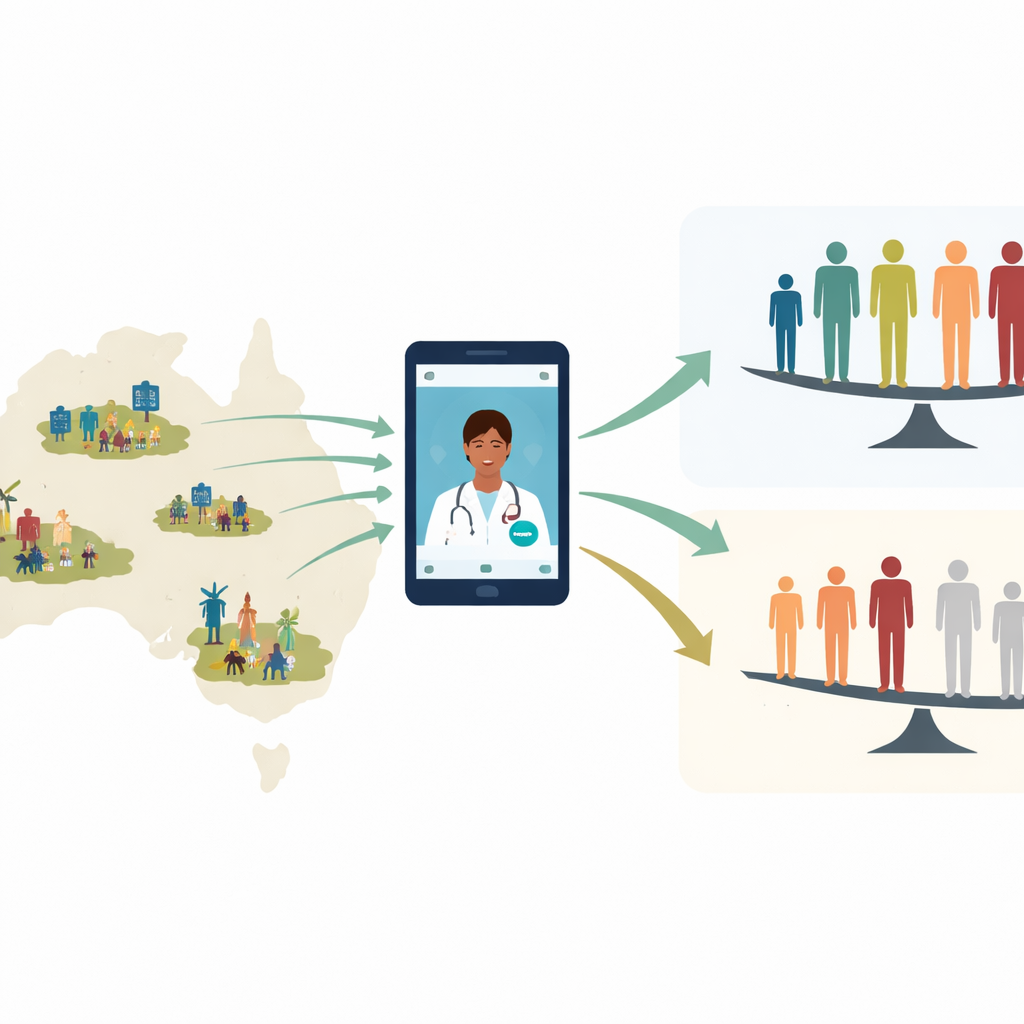
In just a few years, seeing a doctor by phone or video has gone from rare to routine in Australia. For people living far from big cities—or juggling work, family, or disability—telehealth can feel like a lifeline. But this paper asks a tough question: are Australia’s telehealth policies actually helping the people who need help most, or are they quietly leaving some groups behind?
How the Review Was Carried Out
The authors examined 15 official telehealth policies and strategies published by Australian national, state, and territory governments between 2019 and 2024. They focused on documents that did more than just mention “equity” as a slogan and instead described concrete actions to support people who struggle to access care. To judge these policies, the team used a simple but wide-ranging lens called the “6 A” framework, which looks at whether services are reachable, available, acceptable, affordable, good enough in quality, and well known to the public.
Who Benefits and Who Risks Being Left Out
The policies strongly emphasized using telehealth to overcome distance, especially for rural and remote communities. Words like “access” and “rural and remote” appeared hundreds of times, reflecting a clear political and clinical focus on geography. Yet other barriers to care—such as slow or unreliable internet, the cost of devices and data, and low digital skills—were mentioned far less often. Issues like the “digital divide” or “broadband” appeared only a handful of times, even though poor connectivity can make telehealth unusable for exactly the people it is meant to help.
Digital Skills, Cost, and Cultural Safety
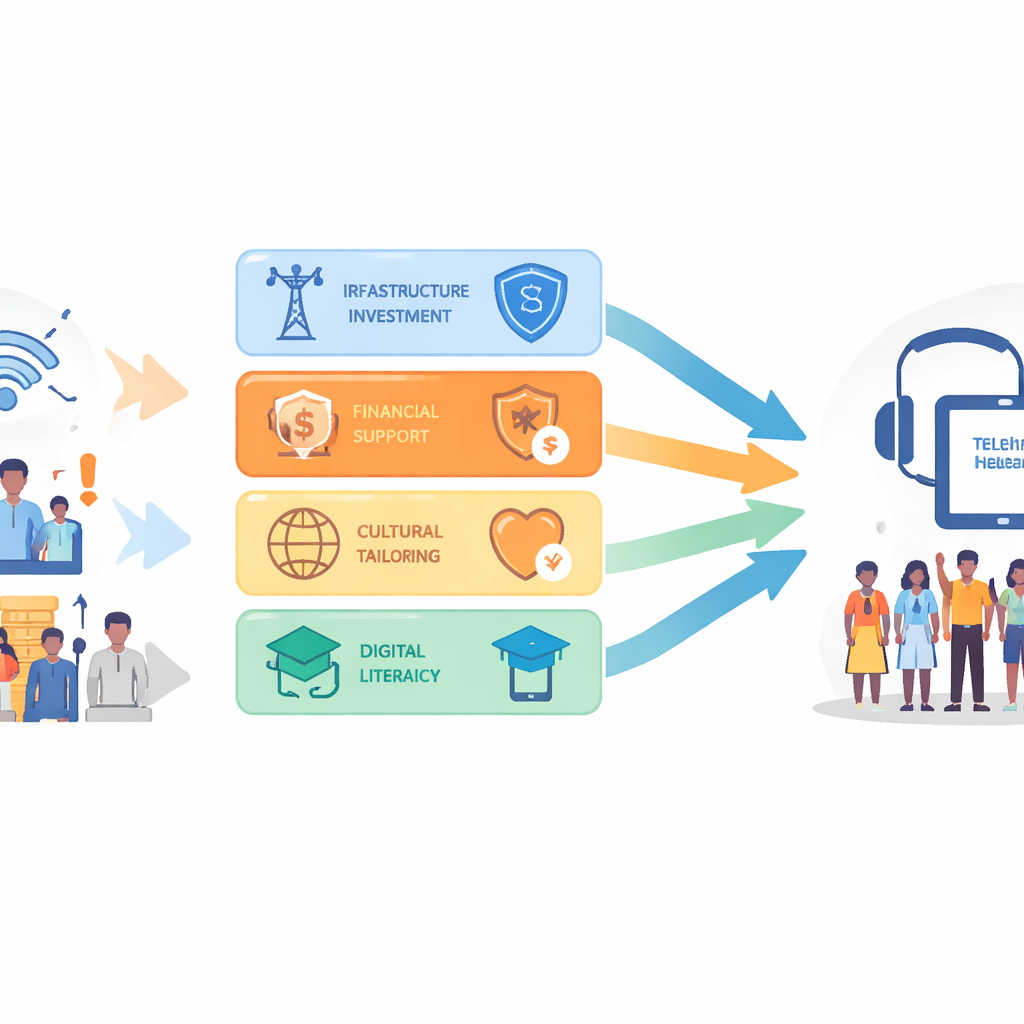
The review found that only a minority of policies treated digital inclusion as a serious, detailed priority. Some documents acknowledged that people with low digital literacy, older adults, people with disability, or those on low incomes might need extra support, but few laid out funded programs to teach skills, provide devices, or lower data costs. Affordability in general was weakly addressed: while several strategies noted that telehealth could save travel and hospital costs, concrete tools such as subsidies, loan devices, or guaranteed low-fee services were rare and uneven between regions.
Respecting Culture and Tracking Progress
On a more positive note, many state and territory policies paid close attention to cultural safety. Several described telehealth models tailored for Aboriginal and Torres Strait Islander communities, or for people from culturally and linguistically diverse backgrounds. These included ideas such as involving local Aboriginal health workers, co-designing services with communities, and adapting telehealth to language and cultural needs. Still, most national-level documents stayed vague on how these goals would be put into practice, and almost none mentioned the specific barriers faced by LGBTQIA+ communities. Even more striking, the authors found that monitoring and evaluation were the weakest areas overall. Few policies set clear measures to track whether telehealth is actually narrowing gaps in health outcomes over time.
Working Together for Fairer Care
The authors argue that making telehealth fair requires more than good intentions. They call for stronger partnerships among governments, health services, community organizations, and technology providers. Suggested steps include community-led digital literacy programs, subsidized devices and data, culturally safe service design with Indigenous and migrant communities, and regular “equity audits” to see who is using telehealth, who is missing out, and what results they are getting. They also suggest updating the 6 A framework for the digital era, adding issues such as data privacy, trust in technology, and the impact of artificial intelligence.
What This Means for Patients and Communities
For a lay reader, the message is clear: telehealth can be a powerful tool for health justice, but only if policy makers deliberately design it that way. Focusing solely on distance is not enough. People need affordable connections and devices, easy-to-use technology, services that respect their culture and language, and systems that check whether these promises are fulfilled in real life. Without these elements, telehealth could end up reinforcing the very inequalities it was meant to fix. With them, it has the potential to bring high-quality care within reach of many more Australians, wherever they live and whatever their circumstances.
Citation: Wang, S., Killedar, A., Norris, S. et al. Evaluating health equity in Australian telehealth policies: a policy review. npj Digit. Public Health 1, 4 (2026). https://doi.org/10.1038/s44482-025-00008-0
Keywords: telehealth equity, digital inclusion, rural health Australia, health policy, virtual care access