Clear Sky Science · en
A widespread Energy Poverty Gender Gap in the European Union demands targeted policy action
Why Warm Homes Are Not Equal for Everyone
Behind every warm or chilly home in Europe lies a story about money, health and fairness. This study shows that women across almost every country in the European Union are more likely than men to struggle with energy costs and to suffer the health consequences of cold or poorly heated homes. By putting numbers to this hidden divide, the authors reveal how everyday realities—who earns what, who cares for children, who lives alone in old age—shape who can afford a comfortable home and who cannot.
When Paying the Power Bill Hurts More for Women
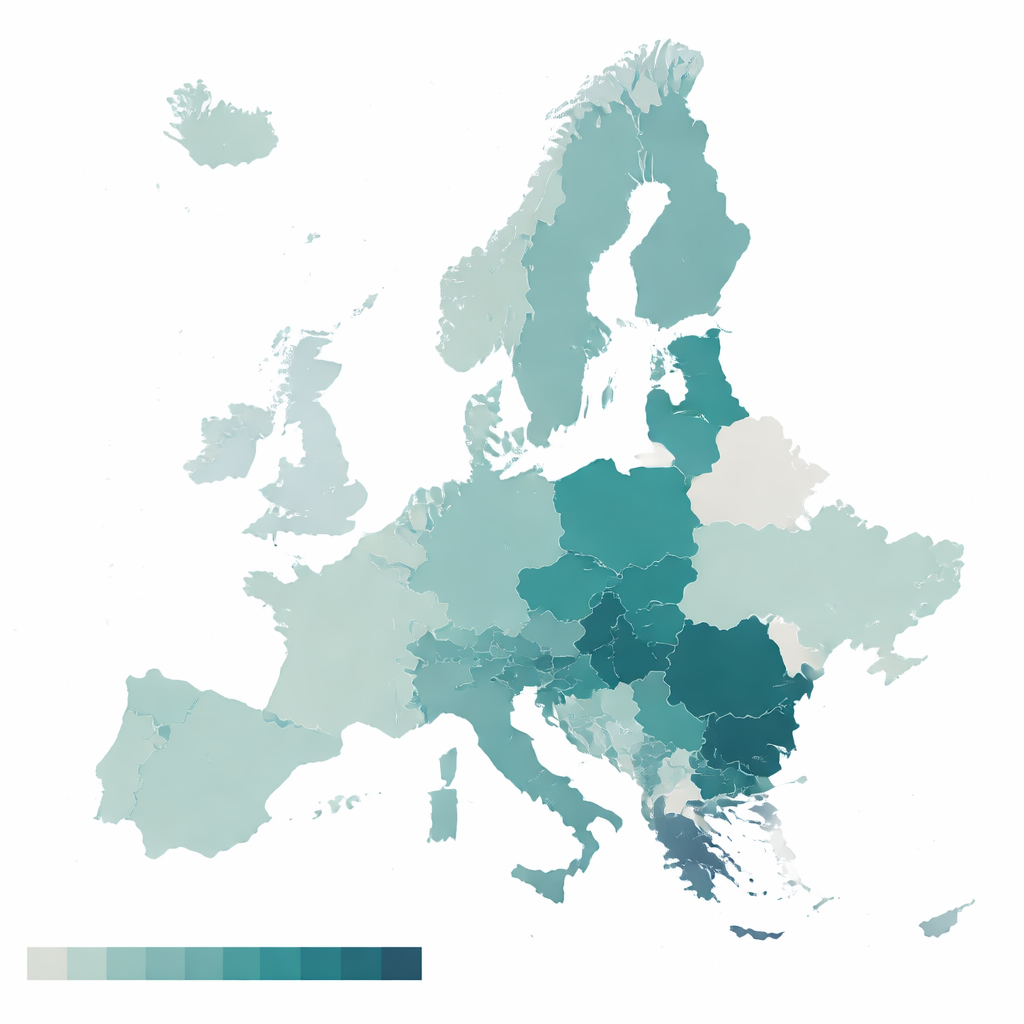
The researchers created a new measure, the Energy Poverty Gender Gap, to capture how energy hardship differs between households led by women and those led by men. Using detailed spending data from the EU’s Household Budget Survey for 2019, they compared how much households pay for domestic energy, such as heating and electricity, relative to their overall budgets and income levels. Almost everywhere in the EU, households headed by women were more likely to fall into energy poverty. The gap was largest in several Central and Eastern European countries—including Estonia, Latvia and Czechia—and in Germany, where women’s households spend a noticeably bigger share of their income on energy than men’s households, reflecting broader income and pay gaps.
Different Lives, Different Risks
The study goes beyond simple averages to ask which kinds of households are most at risk. It finds that energy poverty is strongly shaped by income, place of residence, age and family type—and that women are overrepresented in nearly all of the most vulnerable groups. Among the poorest fifth of households, women’s households are more often energy poor in almost every country. Rural areas, where people may rely on more expensive fuels and older homes, also show sizable gender gaps in many states. Single parents, who are mostly women, and older adults living alone—again, predominantly women—face particularly high risks, with some countries showing double-digit differences between women-led and men-led households.
What Drives the Gap Between Women and Men
To uncover why these differences arise, the authors combined their energy poverty measure with country-level indicators such as pay gaps, poverty rates and government social spending. Their statistical analysis shows that the gender gap in energy poverty tends to be larger where overall energy poverty is high, where women earn less than men and where women are more likely to be poor. By contrast, generous social protection and stronger housing support are linked to smaller gender gaps. Countries such as Denmark and Sweden, which pair robust welfare systems with relatively small pay gaps, are the only ones where men are slightly more likely than women to be energy poor. This suggests that social policies and fairer labour markets can buffer women against high energy costs.
Cold Homes and Women’s Health
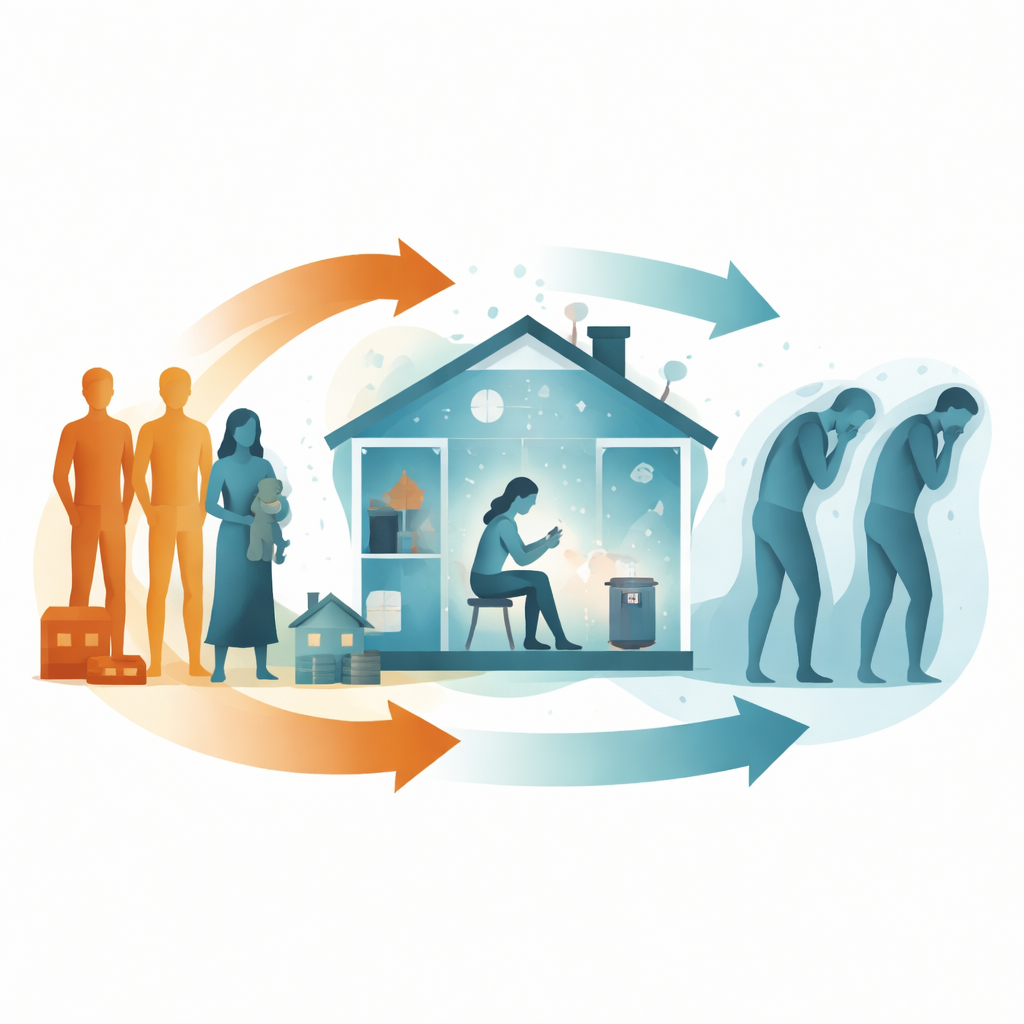
The study also asks whether the consequences of energy poverty fall differently on women and men. Using a second large survey that records both living conditions and self-reported health, the authors look at people who say they cannot keep their home adequately warm or have fallen behind on utility bills. Among these energy-poor groups, women in most EU countries are more likely to report poor or very poor health. In some countries, the gender gap in bad health among those in energy hardship is more than ten percentage points. The authors point to several reasons: women’s lower incomes, their greater time spent at home in caregiving roles and biological factors that can make them more sensitive to extreme temperatures. The stress of juggling bills and care responsibilities may also weigh more heavily on women’s mental health.
What This Means for Fair and Warm Futures
Overall, the paper concludes that energy poverty in Europe is far from gender neutral. Women, especially those who are low-income, living alone in old age, raising children on their own or concentrated in poorly paid or part-time work, face a higher risk of cold homes and the health problems that follow. Because the roots and impacts of energy poverty are closely tied to gendered patterns of income, work and care, policies that ignore gender can unintentionally deepen existing inequalities. The authors argue that tackling energy poverty fairly will require targeted action: stronger social protection, support tailored to tenants and single-parent and elderly households, and systematic gender checks on all new energy and housing measures so that a warm home is a realistic promise for everyone.
Citation: Alonso-Epelde, E., Thomson, H. & García-Muros, X. A widespread Energy Poverty Gender Gap in the European Union demands targeted policy action. Commun. Sustain. 1, 47 (2026). https://doi.org/10.1038/s44458-026-00044-8
Keywords: energy poverty, gender inequality, European Union, social policy, public health