Clear Sky Science · en
The carbon footprint of air travel to UN climate conferences has increased 25-fold over three decades
Why these climate talks matter for the planet
Every year, thousands of people fly across the globe to attend United Nations climate conferences, known as COPs. These meetings shape the world’s response to global warming, but they also come with an environmental cost: the emissions from all those planes in the sky. This study asks a simple but uncomfortable question: how big is the carbon footprint of getting negotiators, activists, and experts to the very events meant to slow climate change?
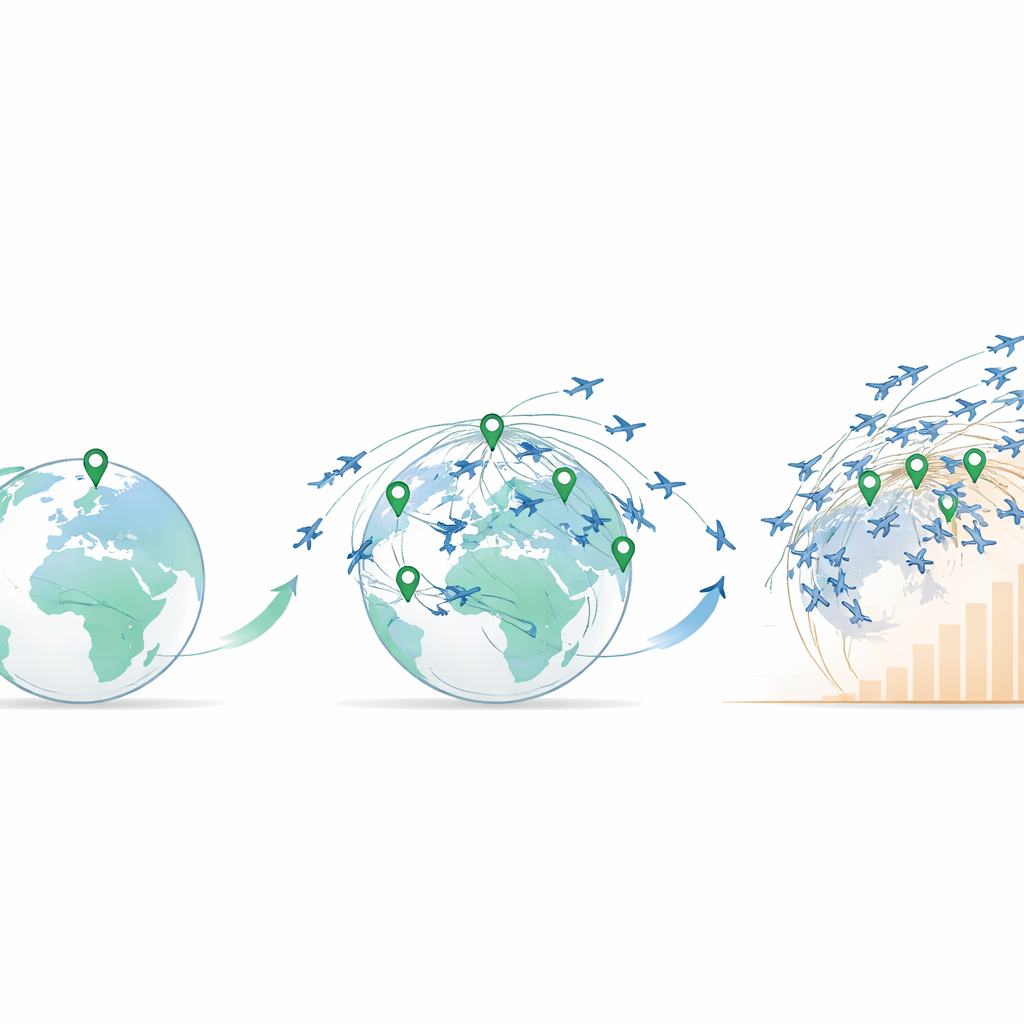
Counting the journeys to climate summits
The researchers examined every UN climate conference from 1995 to 2024, from COP1 to COP29. They focused on official government and Observer State delegates, for whom detailed attendance records and country affiliations were available. Using a global map of flight routes, they estimated the most direct return flights between each country’s main airport and the host city for each COP. They then used an established emissions calculator to estimate the greenhouse gases produced by these journeys, including not only carbon dioxide from burning jet fuel but also the extra warming caused by water vapour, contrails, and other gases released at cruising altitude.
How the climate footprint of climate talks has grown
Over the 29 conferences, the team estimated that official delegates’ air travel produced about 710,000 tonnes of carbon dioxide equivalent—similar to the yearly emissions of many small countries. Emissions per conference rose dramatically, increasing 25-fold from the first meeting in 1995 to the twenty-ninth. This growth closely tracked the rising number of participants: in recent years, COPs have turned into huge events, with record-breaking attendance at COP28 in Dubai. When the authors tested different assumptions—such as leaving out the extra warming from high-altitude effects or allowing for more efficient aircraft in earlier years—the total numbers changed, but the overall pattern of steeply rising emissions remained.
Where conferences are held shapes who flies and how far
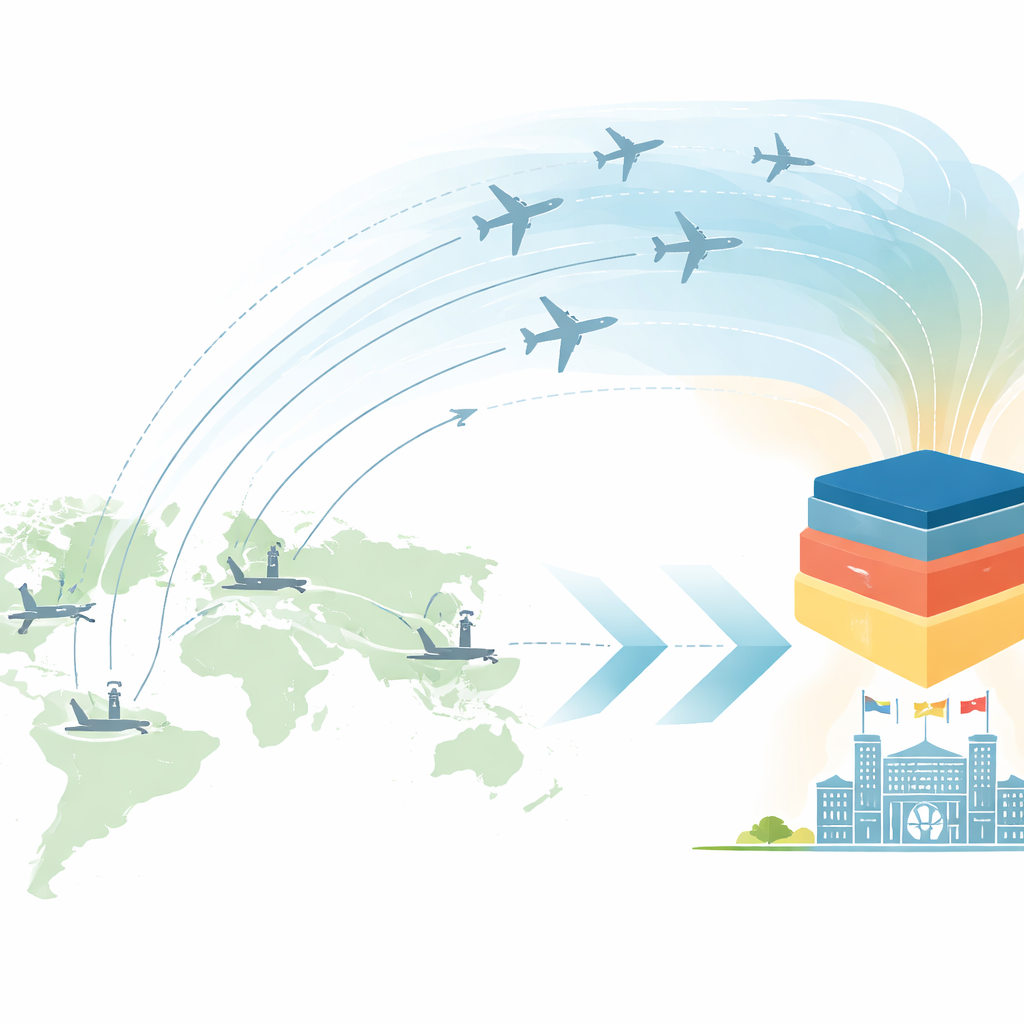
The study also found that not all host locations are equal in terms of travel impact. On a per-person basis, conferences held in Europe and Central Asia tended to have lower emissions per attendee. These regions are well connected by shorter flights, and people from nearby countries can often travel with fewer layovers. By contrast, COPs hosted in Latin America and parts of Asia, such as Argentina, Indonesia, Peru, and Mexico, produced higher emissions per delegate, because many participants had to cross oceans or fly long distances. At the same time, nearly half of all COPs have taken place in Europe and Central Asia, meaning that delegates from regions farther away have repeatedly borne the highest per-person travel footprint just to be in the room.
Balancing face-to-face talks and fairness
The authors emphasize that the emissions from COP travel must be weighed against the potential benefits of these meetings. In-person diplomacy can build trust, foster informal problem-solving, and has helped deliver landmark agreements like the Paris Agreement, which, if fully implemented, would prevent far larger emissions than the conferences themselves create. Still, the data show that rising attendance is the main driver of the growing carbon footprint, and critics argue that ever-bigger summits can dilute effective negotiation and give more space to groups with interests opposed to strong climate action.
Rethinking who needs to be in the room
Instead of simply blaming individual travel choices or banning hosts outside Europe, the study suggests rethinking how large these meetings should be, and who is prioritized to attend. Cutting back on overall delegate numbers—especially those representing fossil fuel interests—could reduce emissions while improving focus. At the same time, the authors stress that equity must remain central: climate-vulnerable countries, Indigenous communities, young people, and civil society groups need a strong voice, and rotating conference locations can help amplify perspectives from regions like Latin America. Complementary steps, such as shifting some travel to lower-carbon options where possible and accelerating cleaner aviation fuels, could further shrink the footprint. In short, the study shows that the way we organize climate diplomacy matters—not only for what is decided inside the conference halls, but for the emissions created just to bring people together.
Citation: Williams, J.T.W., Colagiuri, P., Beggs, P.J. et al. The carbon footprint of air travel to UN climate conferences has increased 25-fold over three decades. Commun. Sustain. 1, 46 (2026). https://doi.org/10.1038/s44458-026-00041-x
Keywords: UN climate conferences, aviation emissions, carbon footprint, international diplomacy, climate negotiations