Clear Sky Science · en
Plant-based protein foods are less sensitive to price changes than animal-based ones, with differences across income and education levels
Why the Price of Protein Matters
What we put on our plates has huge consequences for the planet, our health, and our wallets. Swapping some meat and dairy for beans, nuts, and plant-based alternatives can sharply cut climate pollution. But will people actually make that switch when prices change? This study followed the real-world grocery purchases of more than 87,000 shoppers in Finland and Canada to see how sensitive people are to the price of plant-based and animal-based protein foods—and how that differs between richer and poorer households.
Following Shoppers Through Their Grocery Carts
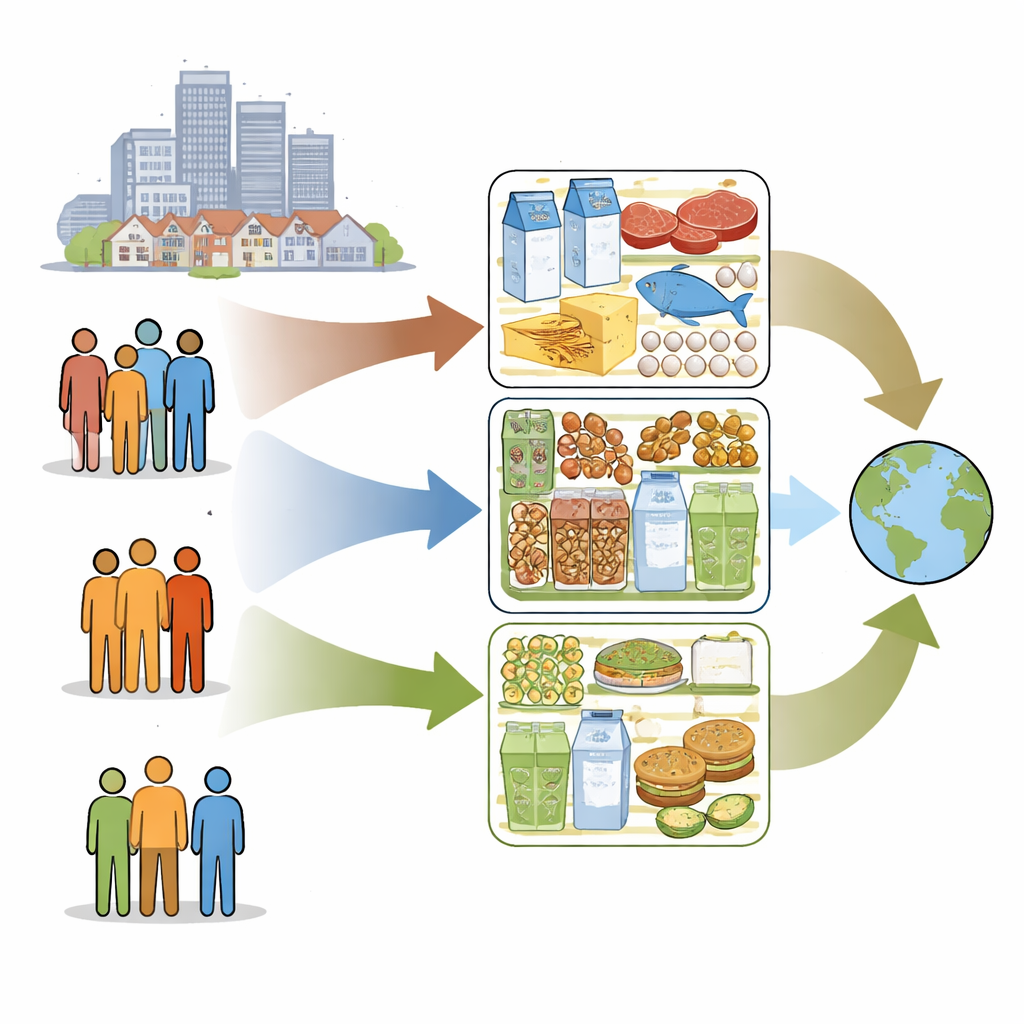
The researchers worked with large grocery chains that run loyalty-card programs. These cards track what shoppers buy month after month. In Finland, the team linked the purchase records of over 29,000 consenting cardholders to survey answers about their income, education, and how easily their income covered expenses. They grouped people into low, middle, and high socioeconomic status (SES) clusters. In both Finland and Canada, they also used postal codes and census data to group neighborhoods into SES levels. For each customer, month, and store type, they calculated how many grams of different protein-rich foods were bought and the average price paid per gram, across seven plant-based and 14 animal-based categories such as legumes, nuts and seeds, milk, cheese, yogurt, eggs, fish, meat, and plant-based meat alternatives.
Measuring How Strongly Prices Shape Choices
To understand price sensitivity, the team used statistical models that estimate price elasticity—how much the amount purchased changes when the price moves up or down by a certain percentage. They ran separate models for each protein category, then combined results across categories. The key comparison was between plant-based and animal-based proteins, and between SES groups. They also teased apart which parts of SES—income or education—mattered most. Finally, they checked whether neighborhood-level SES could stand in for detailed individual data, something important for policymakers who rarely have access to personal survey information.
Plant Proteins Are Less Sensitive to Price Than Meat and Dairy
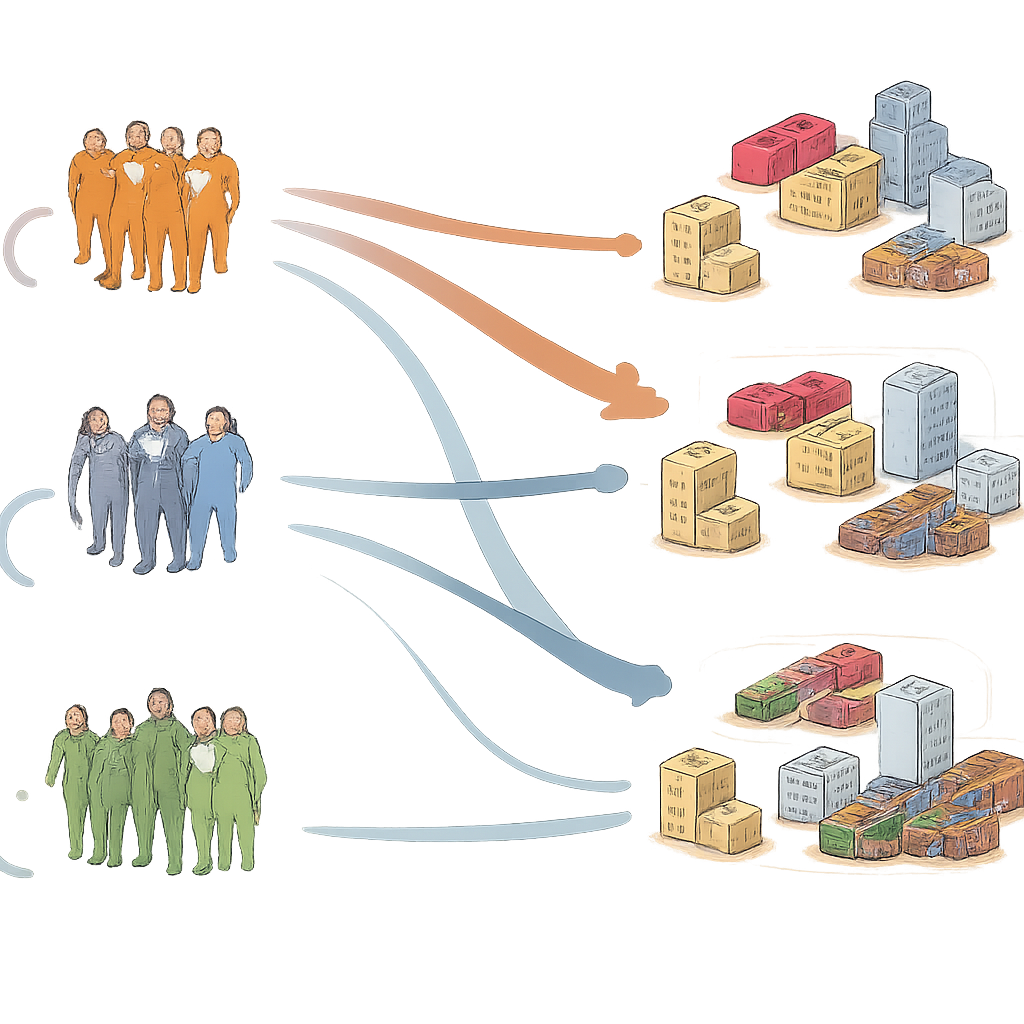
Across both Finland and Canada, shoppers were consistently less responsive to price changes for plant-based proteins than for animal-based ones. When meat, dairy, and eggs became more expensive, people cut back their purchases more sharply than they did for beans, nuts, plant-based drinks, or simulated meats facing similar price increases. All groups were still price-sensitive for plant foods—costs clearly mattered—but the reaction was weaker than for animal foods. This suggests that people who choose plant-based proteins may be guided not only by price, but also by values and preferences such as health, taste, or concern for the environment.
Income, Education, and Unequal Responses to Price
Socioeconomic status made a big difference, especially for animal-based proteins. Low-SES shoppers were the most price-sensitive, high-SES shoppers the least, forming a clear ladder. But the gap between low- and high-SES consumers was more than three times larger for animal proteins than for plant proteins. When the researchers unpacked SES, they found that income drove most of the differences in plant-based purchasing: lower-income consumers reacted more strongly when plant-based foods got pricier. For animal proteins, both income and education mattered, with less-educated groups showing particularly strong cutbacks as prices rose. This pattern hints that money limits what people can afford, while education shapes what they want to eat in the first place.
What Neighborhood Data Can—and Cannot—Reveal
The study also tested whether simple neighborhood indicators of SES can reliably capture these patterns. When SES was measured using postal codes and census data instead of personal surveys, the overall direction of results stayed the same: lower-SES groups were more price-sensitive, and animal proteins showed bigger SES gaps than plant-based foods. However, the differences looked smaller on paper, because neighborhood averages blur the diversity of households living side-by-side. Still, the authors argue that neighborhood-level data are good enough to guide many policies—especially in countries where individual SES information is hard to collect—provided that decision-makers understand that the true inequalities are likely even sharper.
What This Means for a Fair Protein Transition
In plain terms, the study shows that people across the income spectrum do care about price, but cost squeezes low-income households the hardest, especially for meat and dairy. Plant-based proteins are somewhat insulated from price swings, possibly because early adopters are willing to pay a small premium or are motivated by ethics and health. To make a broad and fair shift toward plant-based eating, the authors argue that price-focused measures—such as subsidies, discounts, or price parity policies that narrow the gap between plant and animal proteins—are essential. Done well, these strategies can reduce climate impacts and improve nutrition while ensuring that healthier, more sustainable protein choices are within reach for all, not just for those who can most easily afford them.
Citation: McRae, C., Saarijärvi, H., Nevalainen, J. et al. Plant-based protein foods are less sensitive to price changes than animal-based ones, with differences across income and education levels. Commun. Sustain. 1, 44 (2026). https://doi.org/10.1038/s44458-026-00040-y
Keywords: plant-based protein, food prices, meat consumption, socioeconomic inequality, sustainable diets