Clear Sky Science · en
Use of allogeneic serum eye drops: Does indication influence patient satisfaction?—Identifying the most satisfied patient cohort and usability of eye-dropper vial
Why special eye drops matter
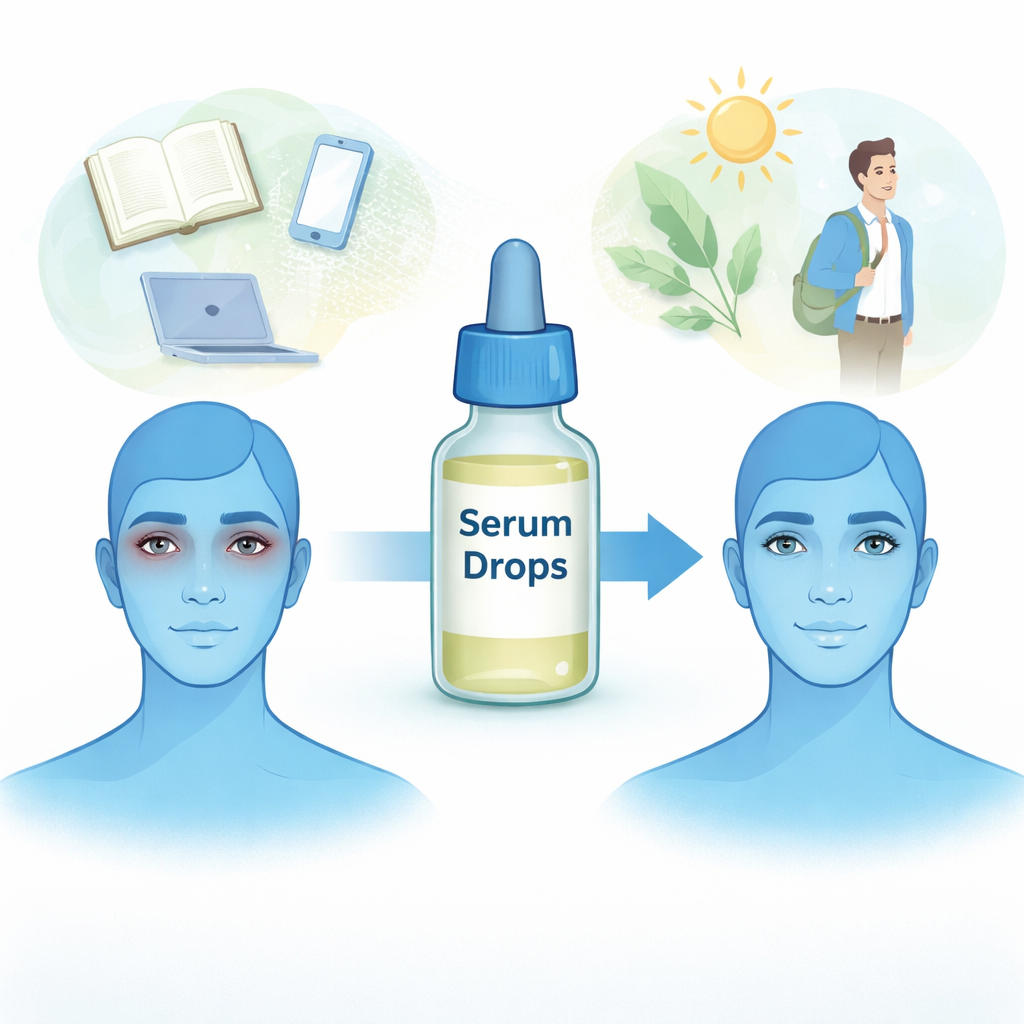
For people with severe dry, painful eyes, everyday tasks like reading, driving, or using a computer can become exhausting. Standard eye drops often offer only brief relief. This study looks at a more advanced treatment—serum eye drops made from donated blood—and asks two simple but important questions: which patients feel they benefit the most, and how easy are these drops and their vials to use in real life?
Who used these drops and why
Doctors at a major UK eye hospital surveyed adults with serious eye surface problems who had been prescribed allogeneic serum eye drops, meaning the drops are prepared from the blood of healthy donors rather than from the patient’s own blood. These patients had long-standing, difficult eye conditions such as immune-related dry eye diseases (including graft versus host disease and Sjögren’s syndrome), damage from chemical injuries, and persistent non-healing defects on the clear front window of the eye. All had already tried standard licensed treatments before moving on to this specialist option. Thirty-three patients, aged 21 to 86, completed detailed questionnaires about their symptoms, quality of life, satisfaction with treatment, and how practical they found the dropper vials.
Measuring comfort and daily life
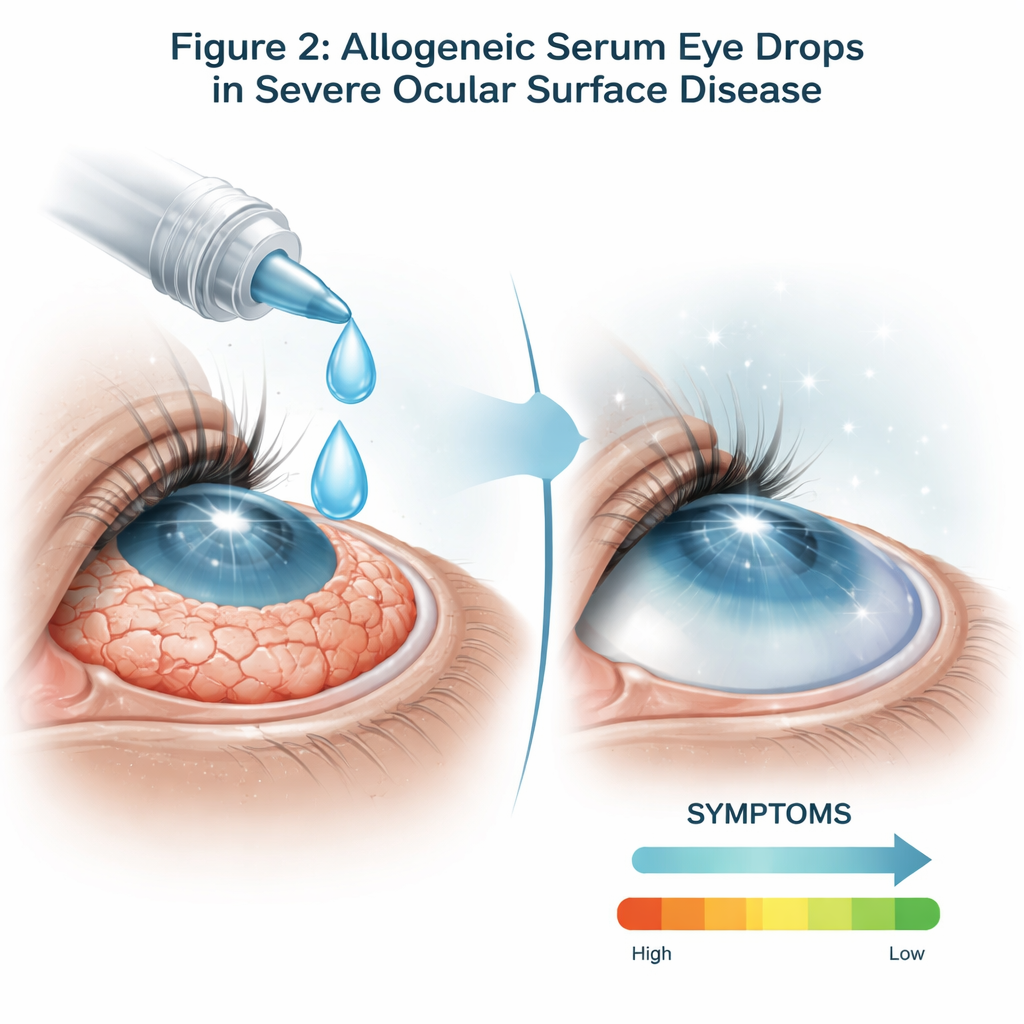
The researchers used well-established patient questionnaires to score how severe dry eye symptoms were before and after starting serum eye drops. On average, symptom scores improved: people reported less discomfort and less disruption to daily tasks like reading or watching television. Many patients felt the drops worked quickly. Those with immune-related problems, such as graft versus host disease and mucous membrane pemphigoid, were especially likely to say their symptoms eased rapidly and that the benefits were noticeable in their day-to-day lives. Some patients with non-healing defects in one eye finally saw those defects close after starting the drops, reducing their risk of infection and further damage.
Who was most satisfied
When patients were asked about overall satisfaction, the most enthusiastic responses came from those with immune-related dry eye disease and from people with aniridia, a rare condition affecting the front of the eye. Over two-thirds of all participants were satisfied with serum drops as a treatment, and about one-third said they were completely satisfied with how much their symptoms improved and how their quality of life changed. Interestingly, patients whose vision remained poor or even worsened for reasons unrelated to the drops still often reported being very satisfied, suggesting that symptom relief—less pain, burning, or grittiness—mattered more to them than sharpness of vision alone.
Practical issues with the vials
Alongside the benefits, the survey uncovered practical frustrations. More than half of the patients felt that each daily vial contained more fluid than they could use before it had to be thrown away, leading them to worry about waste and environmental impact. A small number who used the drops very frequently—eight or more times a day—found the amount insufficient. Some patients, particularly those with arthritis or limited hand strength, struggled to open a newer style of vial and worried about the tops coming loose. A few people reported side effects such as residue or soreness, and one patient stopped treatment after developing widespread skin blisters that they felt were linked to the drops. Even so, most patients said they clearly understood why they were using serum drops and were confident about how to apply them.
What this means for patients
To a layperson, the message is straightforward: for people with severe, stubborn dry eye disease—especially those with underlying immune conditions or long-lasting surface damage—serum eye drops from donors can offer meaningful comfort and a better quality of life when standard treatments fall short. Most users in this study described the drops and the supporting service in very positive terms, even if their vision did not fully recover. At the same time, the results highlight that the design and size of dropper vials matter a great deal to patients, both for ease of use and to avoid waste. Future improvements may focus less on the liquid itself and more on how it is packaged and delivered, aiming to keep this powerful but costly treatment both patient-friendly and environmentally responsible.
Citation: Wong, Y.L., Ismail, Z., Kim, M.J. et al. Use of allogeneic serum eye drops: Does indication influence patient satisfaction?—Identifying the most satisfied patient cohort and usability of eye-dropper vial. Eye Open 2, 5 (2026). https://doi.org/10.1038/s44440-026-00012-0
Keywords: dry eye disease, serum eye drops, ocular surface disease, patient satisfaction, eye drop packaging