Clear Sky Science · en
Cardiovascular health in pregnancy according to Life’s Essential 8 score
Why Heart Health in Pregnancy Matters
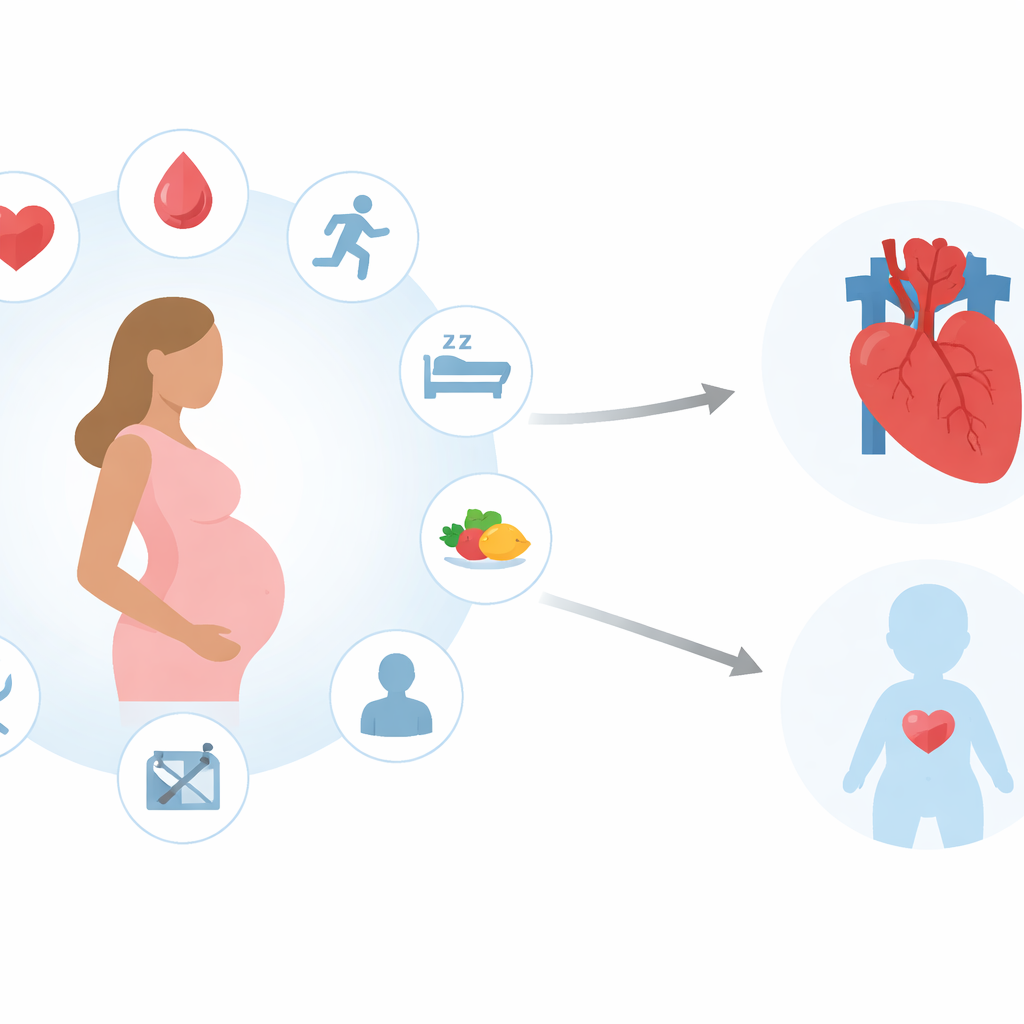
Pregnancy is often thought of as a time when young, otherwise healthy women are closely watched and carefully cared for. Yet in the United States, heart and blood vessel diseases are now a leading cause of death during pregnancy. This study asks a simple but pressing question: how healthy are women’s hearts during pregnancy, and how does that compare with women of the same age who are not pregnant? The answer has consequences not only for mothers, but also for their children’s long‑term heart health.
Taking the Pulse of Heart Health
To explore this, researchers turned to a large national survey run by the Centers for Disease Control and Prevention, known as NHANES. They focused on women aged 20 to 44 years who took part between 2011 and 2020, comparing 171 pregnant women (representing about 1.6 million pregnant women in the country) with more than 3,400 similar women who were not pregnant. Instead of looking at a single lab value or diagnosis, the team used the American Heart Association’s “Life’s Essential 8” score, a comprehensive checklist that combines four behaviors (smoking, physical activity, sleep, and diet) and four health measurements (blood pressure, blood sugar, blood lipids such as cholesterol, and body mass index, or BMI). Each piece is graded from poor to ideal, and then averaged into a 0–100 score.
How Pregnant Women Compared
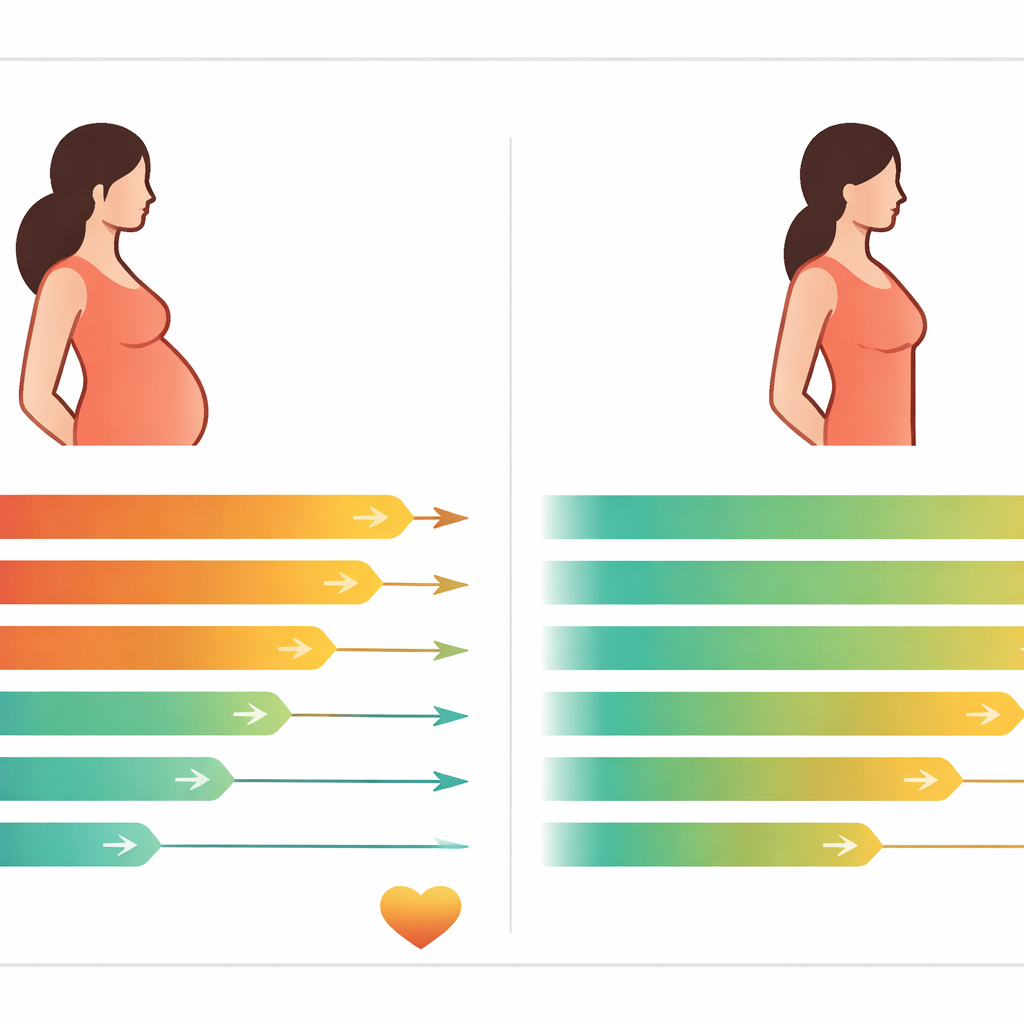
Overall, pregnant women had slightly worse cardiovascular health scores than non‑pregnant women. On average, their Life’s Essential 8 score was about three points lower. The biggest gaps were in physical activity, blood lipids, and BMI. Pregnant women were less active, had less favorable cholesterol profiles, and carried more excess weight than their non‑pregnant peers. When the researchers classified women as having “ideal” cardiovascular health (a score of 80 or above), pregnant women were about half as likely to meet that mark, even after taking age, income, education, and health care access into account. Interestingly, both pregnant and non‑pregnant women scored lowest on diet, highlighting that healthy eating remains a widespread challenge.
Trends Over Time and Surprising Bright Spots
The study also looked at how these scores changed over the decade. Among non‑pregnant women, overall heart health remained fairly stable from 2011 to 2020. Some measures improved, such as blood lipids and sleep, while BMI and diet scores worsened, echoing global trends toward higher body weight and more processed foods. For pregnant women, the sample in each survey cycle was small, so the authors reported average values rather than firm trends. Still, there were signs that BMI and diet scores were slipping over time, while blood pressure and sleep looked somewhat better. Indeed, one surprising finding was that pregnant women were more likely than non‑pregnant women to have blood pressure in the ideal range, and their blood sugar control looked similar. The authors caution that this may partly reflect the younger age of the pregnant group and the fact that the survey did not capture pregnancy stage or perform the specialized tests used to diagnose pregnancy‑related diabetes and high blood pressure.
What Age Has to Do With It
When the researchers divided women into age groups, a nuanced picture emerged. Among pregnant women, those aged 25 to 34 had the best overall scores, helped by less smoking and better sleep, while younger (20–24) and older (35–44) pregnant women fared worse. In non‑pregnant women, the youngest group had the best scores, mainly because of healthier body weight. These patterns match what doctors see in clinics: very young women may have less access to prenatal care, and older pregnant women may find it harder for their hearts and blood vessels to adapt to the physical demands of pregnancy, especially if they enter pregnancy with extra weight or long‑standing risk factors.
What This Means for Mothers and Babies
The study’s message is clear in everyday terms: during pregnancy, many women fall short of ideal heart health, particularly when it comes to moving more, keeping cholesterol in check, and maintaining a healthy weight. Diet quality is poor for most women, pregnant or not. Because pregnancy places extra strain on the heart and sets the stage for a child’s future health, these gaps are more than academic. They point to practical opportunities during prenatal visits: supporting safe exercise, improving access to nutritious foods, monitoring weight gain, and finding better ways to manage cholesterol that are safe for mother and fetus. By strengthening these aspects of cardiovascular health in pregnancy, we may be able to reduce heart disease risks for both generations.
Citation: Yerabolu, K., Bal, H.S., Shahid, A. et al. Cardiovascular health in pregnancy according to Life’s Essential 8 score. npj Cardiovasc Health 3, 18 (2026). https://doi.org/10.1038/s44325-026-00117-6
Keywords: pregnancy heart health, cardiovascular risk, Life’s Essential 8, maternal wellness, prenatal lifestyle