Clear Sky Science · en
Assessing the feasibility of using smartphone data to identify risk of idiopathic pulmonary arterial hypertension
Why Your Phone Might Help Spot Silent Heart-Lung Trouble
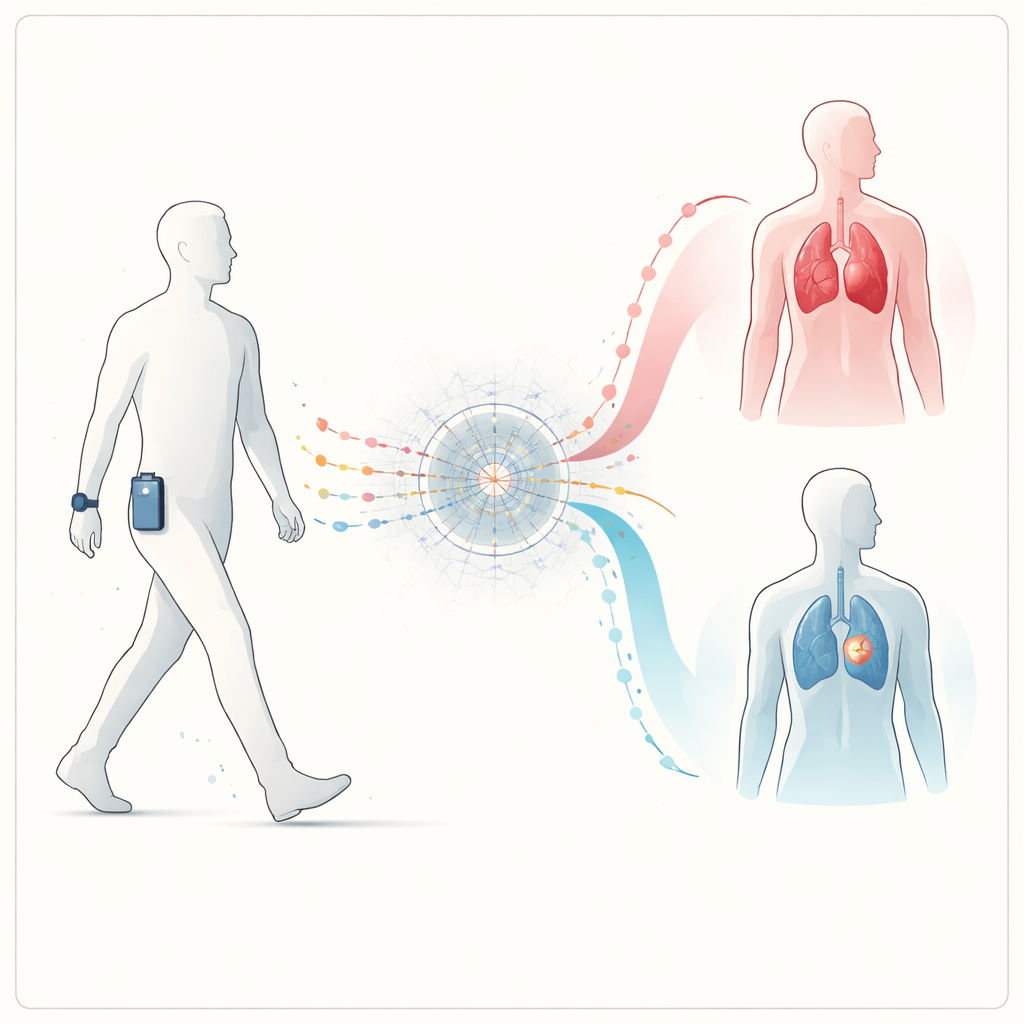
Most of us carry a smartphone and many wear a watch that quietly logs our steps, heart rate and sleep. This study asks a simple but powerful question: could those everyday digital traces help doctors spot a rare, serious heart–lung condition called idiopathic pulmonary arterial hypertension (IPAH) earlier, long before people finally reach a specialist clinic? The researchers explored years of real-world data from phones, watches and in-app questionnaires to see whether subtle patterns in daily movement and heart signals could reveal who is at higher risk.
A Hard-to-Detect Disease
IPAH narrows the blood vessels that carry blood from the heart to the lungs. Over time, this makes people breathless, exhausted and at risk of heart failure. Yet the early warning signs are vague—tiredness, shortness of breath on exertion—and the definitive test requires an invasive heart catheter procedure at a specialist center. Many patients wait about three years from first symptoms to diagnosis, by which time the disease is more advanced and harder to treat. The team behind this study wanted to know whether continuous, passive tracking of everyday activity could provide an earlier clue that something is wrong.
Turning Everyday Movement into Health Clues
The researchers used the My Heart Counts iPhone app, which links to Apple Health data from both phones and Apple Watches. They enrolled 109 people in the UK who already owned an iPhone, including 33 with confirmed IPAH, 14 with other serious illnesses (mainly after severe COVID-19) and 61 healthy volunteers. For some patients, they could look back months or even years before diagnosis using historical data saved on the phone. They examined simple measures such as how many steps people took, how fast they walked, how many flights of stairs they climbed, how their heart rate behaved during rest and movement, and how they slept at night. Participants also answered questions about lifestyle, mood, and attitudes toward exercise and illness.
What the Data Revealed About Daily Life
People who developed IPAH were already moving less and more slowly than healthy volunteers, even before they were diagnosed. They took fewer steps, climbed fewer stairs, and had a slower walking pace. Their resting heart rate tended to be higher, and their heart rate varied less beat-to-beat—signs that the body was working harder and adapting less well. They also spent more time awake at night. After diagnosis and treatment, these measures generally improved: patients walked more, climbed more stairs, and their heart rates became calmer and more flexible, echoing improvements seen in standard six-minute walking tests in clinic. Responses to mindset and lifestyle questionnaires added another layer: people with IPAH were more likely to doubt that their current activity level was beneficial and more often saw illness as something fixed or genetic, rather than something lifestyle could influence.
Teaching Computers to Recognize Risk
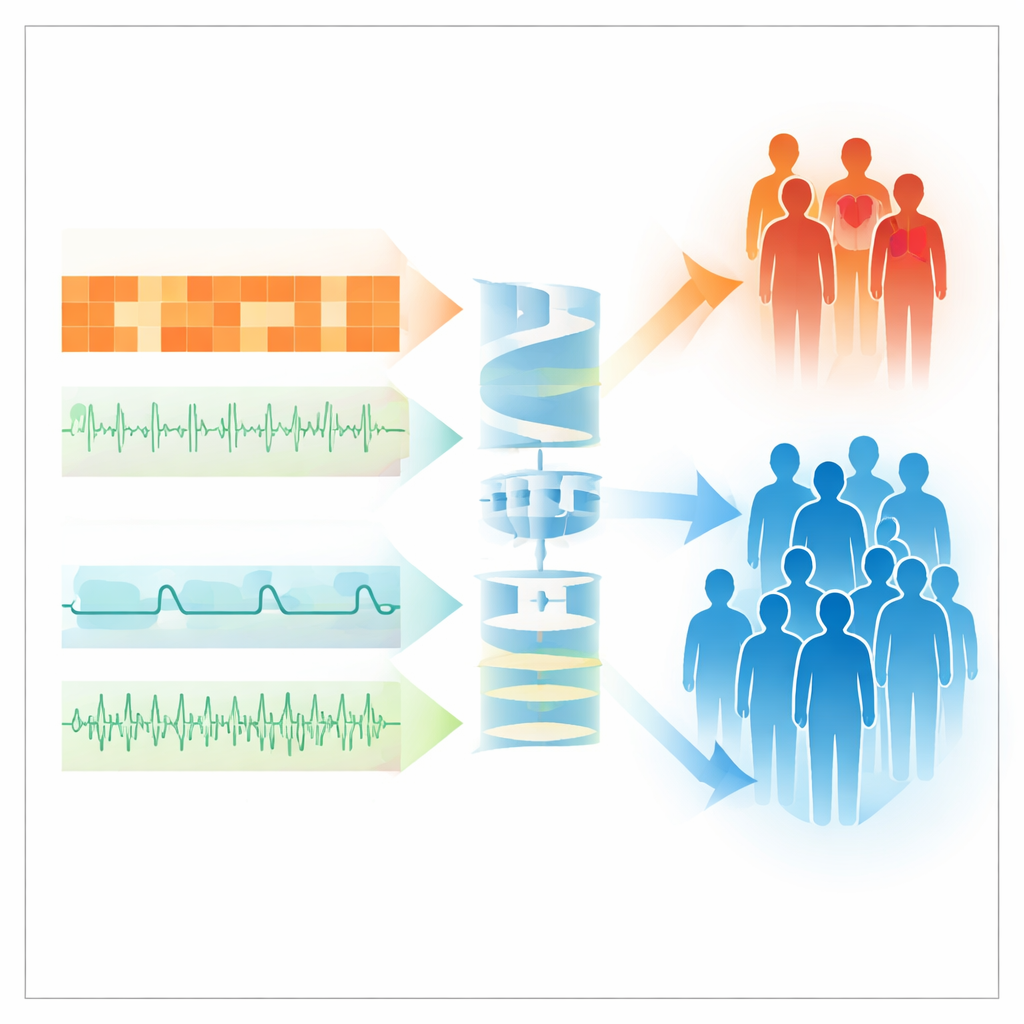
To test whether these digital signals could help flag IPAH, the team trained machine-learning models on the app data. Using only information from before diagnosis, models based on watch data (including heart rate) could distinguish IPAH from healthy and disease controls quite well, with an accuracy measure called ROC AUC of about 0.87. Phone-only activity data still performed strongly, and adding selected questionnaire answers—especially about lifestyle and life satisfaction—pushed performance as high as 0.94. When they tried the same approach in a separate group of US app users, the models did worse at first, mainly because activity patterns and health backgrounds differed between countries. But after retraining the system with a small portion of US data to account for these differences, the model again reached useful accuracy (ROC AUC about 0.74), suggesting that such tools could be adapted to different populations.
What This Could Mean for Patients
For a general reader, the key message is that the steps you take, the pace you walk and the way your heart rate responds during daily life carry meaningful health information—even when you feel only vaguely unwell. This study, while still small and exploratory, shows that simple data passively collected by consumer devices, combined with a few short surveys, can mirror hospital test results and help separate people with a serious but hidden condition from those who are healthy or have other problems. The authors stress that much larger and more diverse studies are needed before such tools could guide care, and that the patterns they see are not unique to IPAH. Still, their work points toward a future where phones and wearables act as early-warning companions, helping patients and doctors catch dangerous changes in heart–lung health sooner, with less invasive testing and more timely treatment.
Citation: Delgado-SanMartin, J.A., Keles, M., Errington, N. et al. Assessing the feasibility of using smartphone data to identify risk of idiopathic pulmonary arterial hypertension. npj Cardiovasc Health 3, 16 (2026). https://doi.org/10.1038/s44325-026-00114-9
Keywords: digital health, pulmonary hypertension, wearable sensors, smartphone monitoring, machine learning in medicine