Clear Sky Science · en
Berberine signature and cardiometabolic diseases using randomized controlled trial, cohort study and Mendelian randomization
A Natural Compound with Big-Hearted Potential
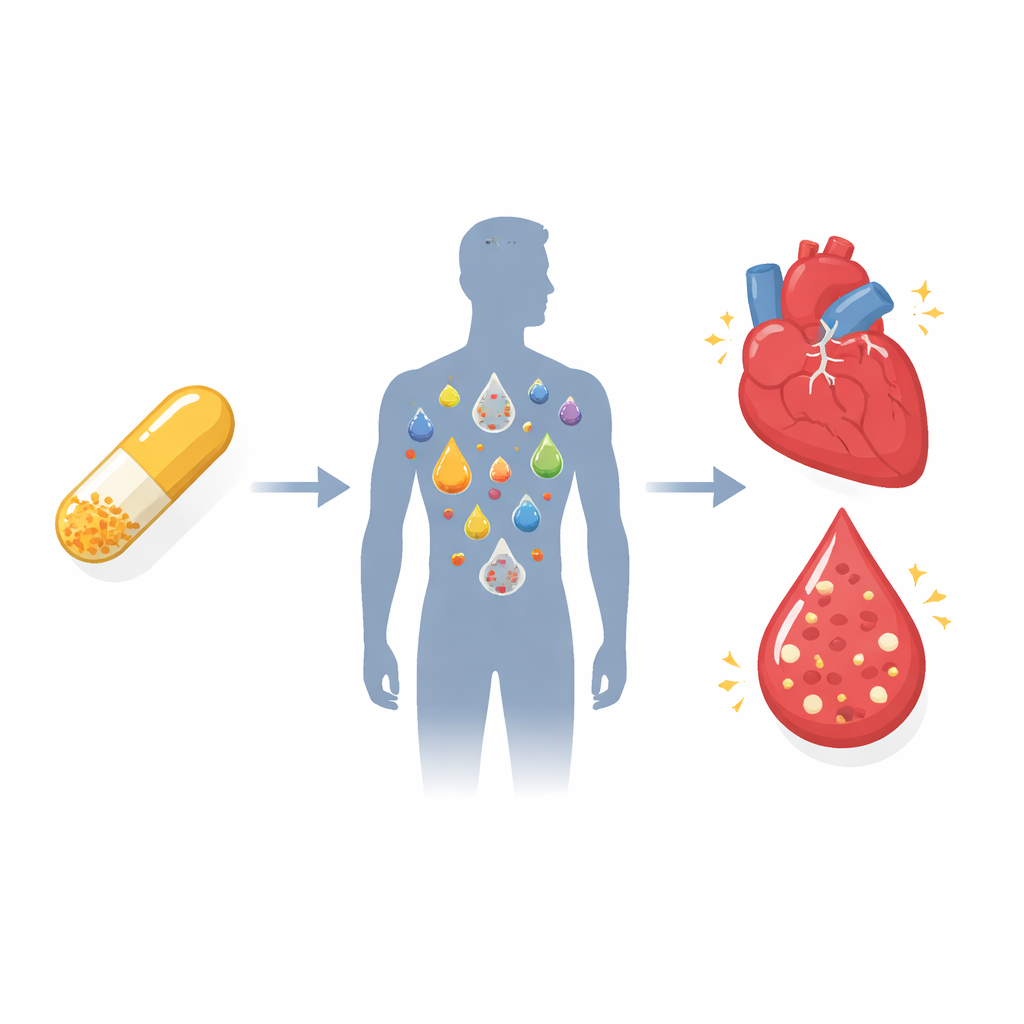
Heart disease and type 2 diabetes are two of the most common causes of illness and death worldwide, and many people who need cholesterol-lowering drugs like statins cannot tolerate them. Berberine, a plant-derived compound long used in traditional medicine, is already known to help lower blood fats and blood sugar, but it has been unclear whether it truly translates into fewer heart attacks or cases of diabetes. This study uses an inventive blend of clinical trial data, big biobank datasets, and genetic tools to ask a simple question with huge public health stakes: does the biological fingerprint of berberine use point toward real protection for the heart and metabolism?
From Small Trial to Big Population Insight
The researchers began with a randomized trial in 80 men with high blood lipids, who received either berberine or a placebo for 12 weeks. Beyond standard measures like cholesterol and fasting glucose, the team took advantage of stored blood samples to profile 92 proteins and two sex hormones. Using a statistical method called elastic net, they combined changes in 18 proteins plus testosterone and sex hormone binding globulin (SHBG) into a single “berberine signature” – a kind of composite score that captures how strongly a person’s blood chemistry responds to berberine. Although based on a modest trial, this signature was carefully tested for stability and shown to mirror berberine’s known ability to lower cholesterol and blood sugar.
Following the Signature into a Biobank
Armed with this blood-based fingerprint, the team turned to the UK Biobank, a massive long-term study that includes health records, genetic data, and similar protein measurements in tens of thousands of mostly European participants. They calculated the berberine signature for men in this cohort and asked whether people whose blood looked as if they had a strong “berberine-like” response were less likely to have ischemic heart disease (narrowed heart arteries) or diabetes. After accounting for age, lifestyle, and social factors, men with higher berberine signatures had lower odds of both conditions. The association was modest but consistent: those with a stronger signature showed reduced risk of heart disease and diabetes compared with their peers.
Letting Genetics Test Cause and Effect
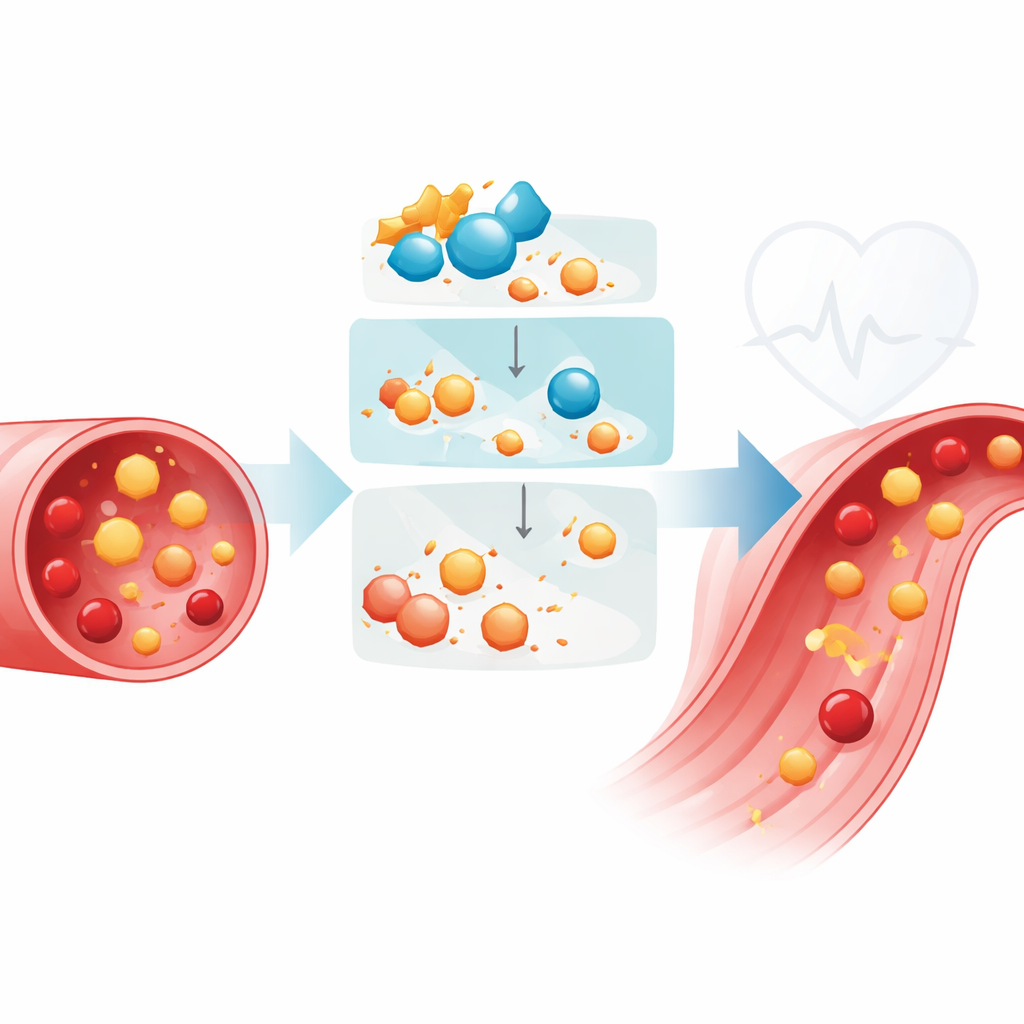
To move beyond simple correlation, the researchers used Mendelian randomization, a technique that exploits naturally occurring genetic differences as a kind of lifelong experiment. They first identified genetic variants that influence the berberine signature, and then asked whether these variants were also linked to heart disease, diabetes, and detailed cholesterol fractions in very large genetic studies. The results pointed in the same direction as the observational findings: genetically higher berberine signature was linked to slightly lower risks of ischemic heart disease and diabetes, and to broadly healthier patterns of blood fats, especially lower harmful cholesterol and triglyceride particles. Importantly, the reverse analyses suggested that having heart disease or diabetes does not, in turn, raise the berberine signature, supporting the idea that the signature lies upstream of disease rather than merely reflecting it.
Peeking Inside the Body’s Messaging System
Because the signature is built from specific proteins and hormones, the team could look for likely biological messengers. They found that higher levels of SHBG and a protein called PRSS2 may help explain the apparent protection against heart disease, possibly by influencing lipid handling in the body. For diabetes, several proteins involved in inflammation and blood clotting, including CCL5, CNDP1, F11, LCN2, and THBS4, as well as SHBG and testosterone, emerged as candidates. Earlier work suggests that berberine can damp down inflammatory signals and alter these proteins in ways that fit with better glucose control and less metabolic strain. Together, these markers outline potential pathways by which berberine could shape both blood fats and blood sugar, and they also highlight new molecular targets for future drugs.
What This Could Mean for Patients
This multi-layered study does not replace the need for large, long-term clinical trials, and it has limitations: the trial that created the signature was small and short, focused on East Asian men, and the genetic tools are still relatively imprecise. Yet the convergence of trial data, population analyses, and genetics all suggests that berberine’s biological footprint is associated with lower risks of heart disease and diabetes, with effects similar to some second-line cholesterol drugs. For people who cannot tolerate statins or who already struggle with high blood sugar, berberine may eventually become an attractive part of a broader treatment plan. Until definitive trials are completed, these findings should be viewed as strong clues rather than final proof—but they offer a promising glimpse of how a natural compound might help protect both the heart and metabolism.
Citation: Zhao, J.V., Sarsani, V., Chen, B. et al. Berberine signature and cardiometabolic diseases using randomized controlled trial, cohort study and Mendelian randomization. npj Cardiovasc Health 3, 15 (2026). https://doi.org/10.1038/s44325-026-00113-w
Keywords: berberine, ischemic heart disease, type 2 diabetes, cardiometabolic health, proteomics