Clear Sky Science · en
Auxiliary data, quality assurance and quality control for wearable light loggers and optical radiation dosimeters
Why the Light Around You Matters
Most of us think of light as something that lets us see, but it also quietly steers our body clock, sleep, mood, and even aspects of our metabolism. As people spend more time indoors and glued to glowing screens, researchers are racing to understand how real-world light exposure shapes health. This article looks at a new way to make sense of data from tiny wearable devices that track the light we actually experience in daily life—and how extra bits of information about our routines can turn messy sensor readouts into reliable clues about well-being.
From Lab Lamps to Everyday Life
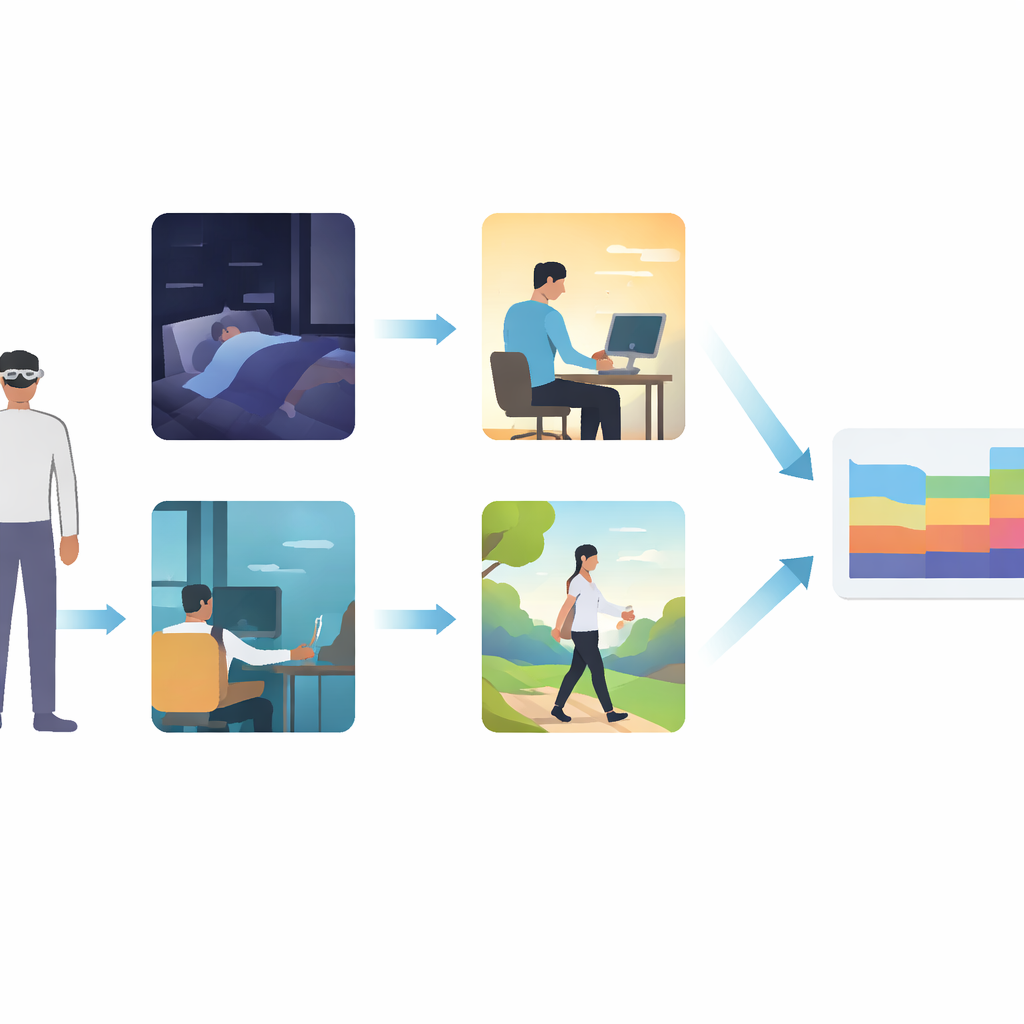
For decades, most light-and-health research took place in tightly controlled laboratories. Scientists could carefully dial up or dim down specific colors and intensities of light and watch how this changed sleep timing, hormones like melatonin, alertness, and other bodily functions. These studies revealed that light hitting the eye influences the brain’s internal clock and many systems beyond vision. But the lab can’t fully answer what really happens in everyday life, where people juggle office lighting, outdoor sun, street lamps, and screens, all in shifting patterns that vary widely from person to person.
The Rise of Wearable Light Trackers
To bridge the gap between lab and life, researchers increasingly use wearable light loggers—small gadgets worn on the body that record light exposure throughout the day and night. These devices have exploded in number and sophistication, now appearing in large population studies involving tens of thousands of people. They can note how bright the light is, and sometimes its color qualities, moment by moment. Placed near the eyes, they give a better sense of what the brain’s clock “sees” than simple room measurements. However, even the best gadget has blind spots: it cannot tell whether the wearer is asleep or awake, indoors or outdoors, or whether the device is actually being worn correctly.
Adding the Missing Pieces of Context
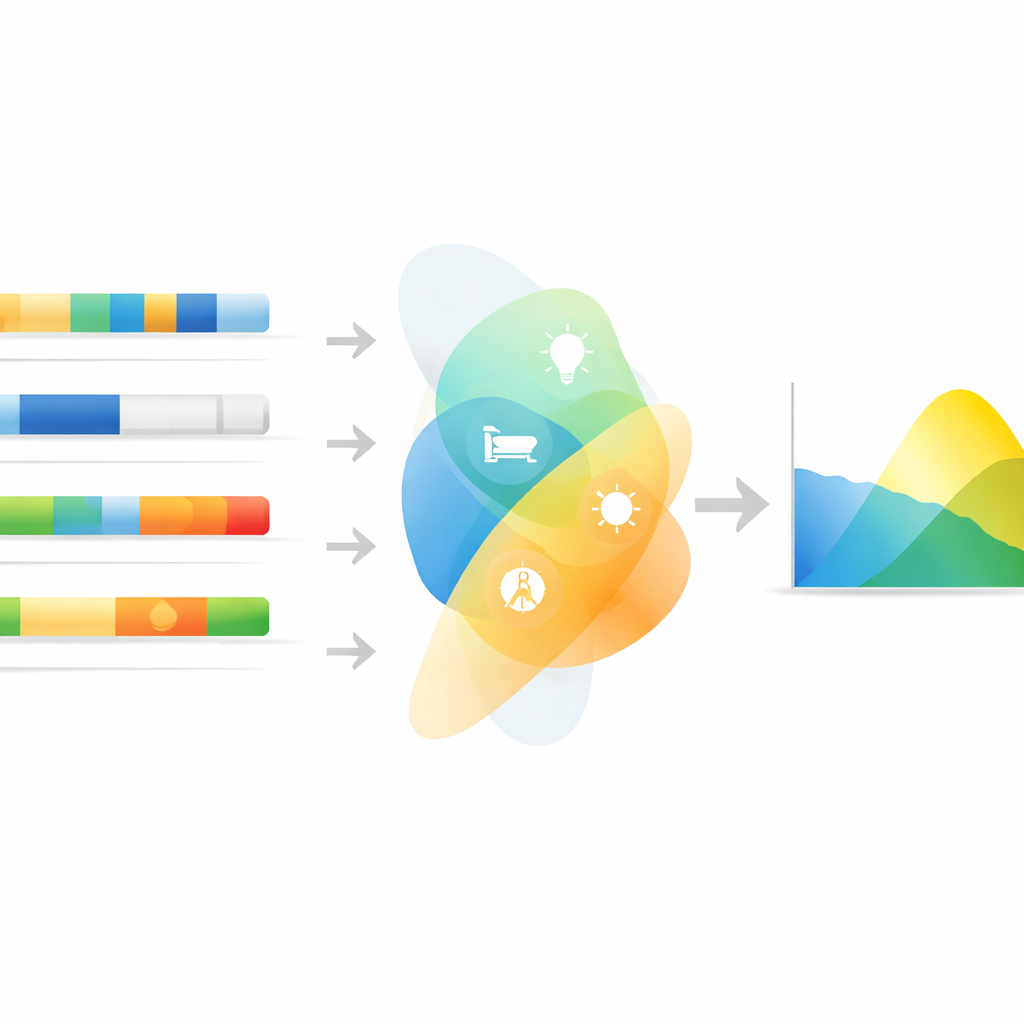
This study argues that light data alone are not enough and proposes a structured framework for collecting “auxiliary data” to fill in the gaps. These added records are time-stamped pieces of information that travel alongside the sensor data. They include logs of when the device is on or off the body, daily sleep and wake times, notes on whether a person is under daylight or artificial light, descriptions of daily activities such as commuting or working outdoors, reports of how comfortable or awkward the device feels, and separate measurements of general outdoor light in the local environment. Together, these six domains of information turn raw light traces into a richer picture of a person’s real exposure and circumstances.
What Experts Say and How to Make It Work
The authors interviewed 21 researchers who use light wearables and surveyed 16 more to refine this framework. Most agreed that such extra information is important, with sleep and device wear-time rated as the most critical pieces. At the same time, they warned that too many questionnaires or diaries can overwhelm participants and hurt compliance. The article therefore pairs each type of auxiliary data with practical tools and suggestions, such as short digital logs filled out in the morning or evening, simple paper forms that can be photographed and uploaded, and even rooftop devices that record local daylight for comparison. The team also offers software (the open-source LightLogR package) to automatically merge sensor readings with these logs, check for implausible values, flag likely non-wear periods, and support standardised cleaning of datasets.
Keeping Data Honest and Participants On Board
Beyond extra logging, the paper sketches non-technical strategies to prevent bad data in the first place. These include choosing comfortable, discreet devices so people are less tempted to take them off, giving clear and visually simple instructions, providing reminders and feedback about correct use, and offering incentives or personal summaries that help participants feel invested in the study. On the analysis side, the authors highlight the need for transparent device calibration, clear rules for discarding unreliable data (for instance when sensors are blocked by clothing), and routine visual checks of raw time series to catch odd patterns. They also discuss automated algorithms that can detect when a device likely was not worn, and stress that the best approach depends on the specific research question and the sensitivity of the chosen light-based metrics.
What This Means for Everyday Health Research
In plain terms, the article’s main message is that tracking light exposure in real life is only truly useful when scientists also know what people were doing, when they slept, and whether the devices were used as intended. By combining wearable sensors with simple companion logs and thoughtful quality checks, researchers can move from noisy, potentially misleading streams of numbers to trustworthy stories about how modern lighting patterns affect sleep, mental health, metabolism, and more. The authors provide a practical toolkit and early consensus from experts to guide future studies, helping turn our growing interest in “light as medicine” into solid evidence that can inform healthier buildings, work schedules, and personal habits.
Citation: Zauner, J., Stefani, O., Bocanegra, G. et al. Auxiliary data, quality assurance and quality control for wearable light loggers and optical radiation dosimeters. npj Biol Timing Sleep 3, 11 (2026). https://doi.org/10.1038/s44323-025-00067-9
Keywords: wearable light loggers, circadian health, sleep and light exposure, data quality in sensor studies, auxiliary study data