Clear Sky Science · en
Risk factors for treatment resistance among women with postpartum depression in a nationwide study
Why this matters for new mothers and families
Becoming a parent is often portrayed as a joyful time, but for many women it is shadowed by postpartum depression. For some, standard treatments like talk therapy and antidepressant medications do not work well enough. This study used health data from across Sweden to ask a pressing question: which new mothers are most likely to struggle with postpartum depression that proves hard to treat? The answers can help healthcare providers spot women who may need extra support early on, long before months of ineffective treatment pass.
A nationwide look at postpartum depression care
Researchers followed more than one million women who gave birth in Sweden between 2006 and 2021. From national health registers, they identified 58,618 women who experienced postpartum depression for the first time within a year after delivery. The team then tracked what treatments these women received, including antidepressant medicines, additional "add-on" drugs, and brain stimulation therapies such as electroconvulsive therapy. If a woman needed three or more different antidepressants, or required add-on medications or these intensive treatments within a year of diagnosis, she was classified as having treatment-resistant postpartum depression. 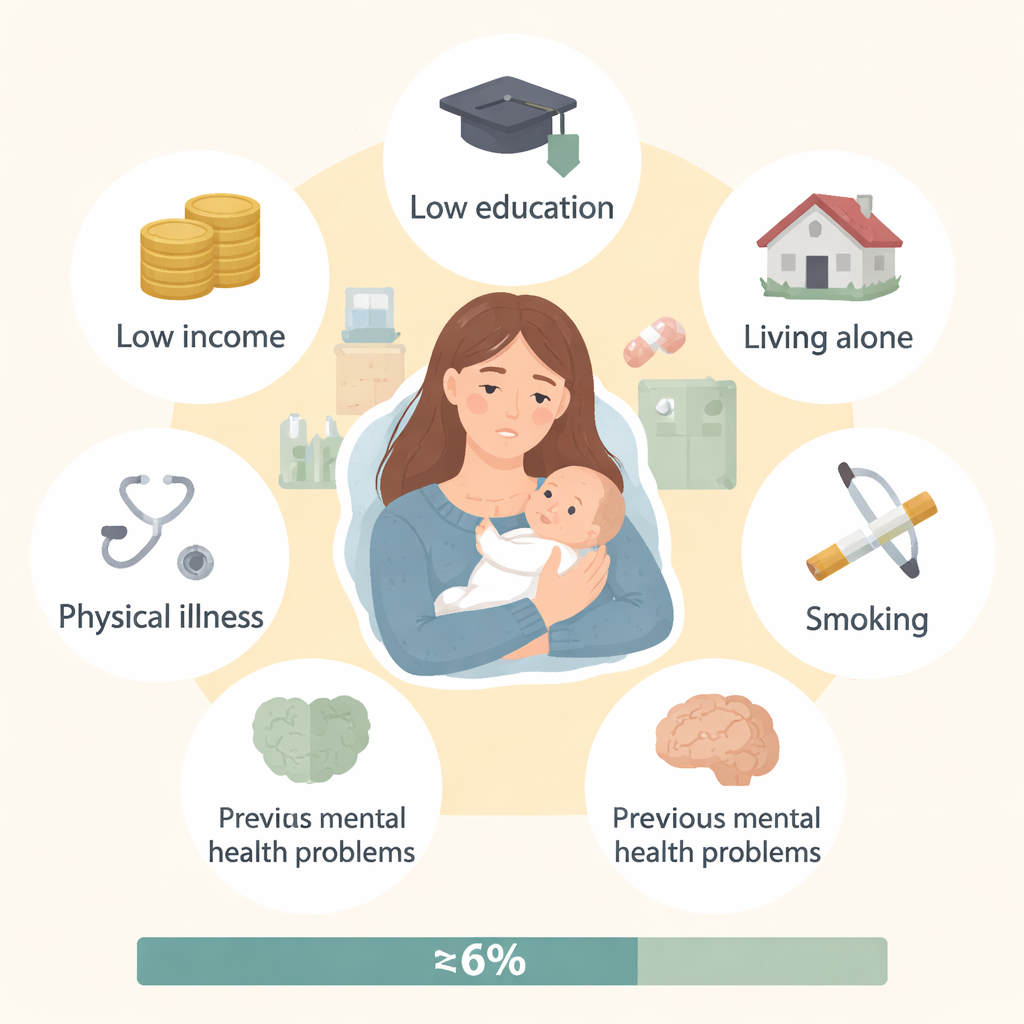
How common is treatment resistance?
The study found that about 6% of women with postpartum depression met the criteria for treatment resistance within a year. That equals 3,522 women out of the 58,618 identified. This rate is higher than in a large US insurance-based study of perinatal depression, but lower than what has been seen in depression outside the pregnancy and postpartum period. One likely reason is that some Swedish women with milder symptoms receive talk therapy alone or avoid medication because of concerns about effects on their baby, meaning they never enter the pathway used to define treatment resistance. Even so, the results reveal that a substantial group of new mothers continue to suffer despite trying several medical treatments.
Life circumstances that raise the risk
Certain social and lifestyle factors clearly separated women whose depression was harder to treat. Those with less education or lower household income, and those not living with a partner, faced higher odds of treatment-resistant illness. Women who smoked in early pregnancy were also at greater risk, especially if they smoked ten or more cigarettes a day. Living in northern Sweden or being born outside the country modestly increased the risk as well. These patterns suggest that access to care, social support, financial stress and health behaviors all shape how well postpartum depression responds to treatment, not just the biology of the illness itself.
Pregnancy, birth experiences and past health
Features of pregnancy and birth mattered too. Women whose babies were delivered by cesarean section or were born a few weeks early (at 32 to 36 weeks) were more likely to develop treatment-resistant depression. In contrast, women who were having their second baby (but not those with three or more children) had a slightly lower risk. Pre-existing health problems before pregnancy also played a role. Women with other medical illnesses, especially those serious enough to raise a standard comorbidity score, faced higher risk. The strongest signals came from mental health history: any prior psychiatric disorder roughly doubled the chance of treatment resistance, and serious conditions like past psychosis raised it much more. Interestingly, women with a history of premenstrual mood problems had a lower risk, possibly reflecting a hormone-sensitive type of depression that tends to ease as hormone levels change after birth. 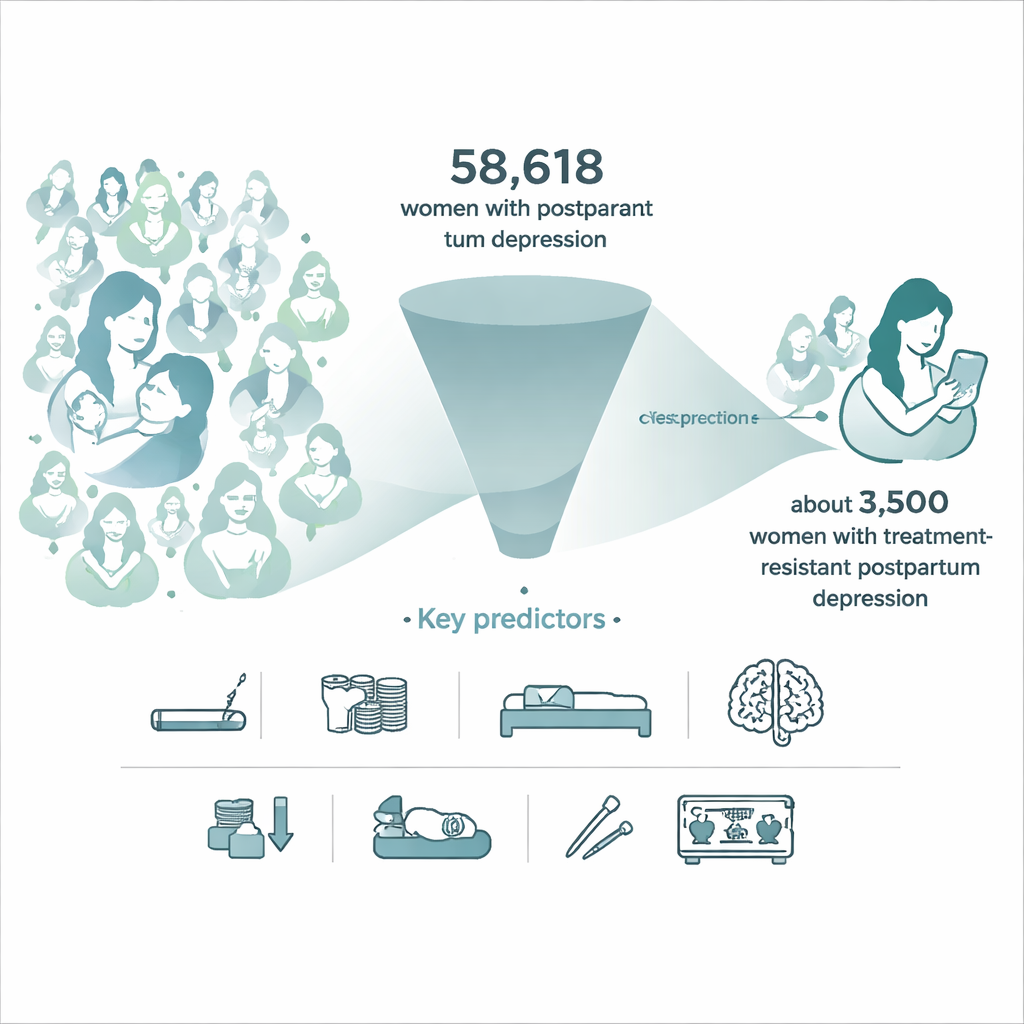
What this means for mothers and clinicians
For families, the central message is both sobering and hopeful. A notable minority of women with postpartum depression will not get better quickly with standard treatments, and those who are more socially vulnerable or have other health problems are at particular risk. But because this study maps out who is most likely to struggle, it gives clinicians tools to act sooner: screening more carefully, following high-risk women more closely, adjusting medications earlier and ensuring better access to therapy and support. In short, postpartum depression is treatable, but not always with a simple, one-size-fits-all plan—and recognizing that is the first step toward more personalized, effective care for new mothers.
Citation: Chen, Y., Bränn, E., Bendix, M. et al. Risk factors for treatment resistance among women with postpartum depression in a nationwide study. Nat. Mental Health 4, 288–297 (2026). https://doi.org/10.1038/s44220-026-00587-8
Keywords: postpartum depression, treatment resistance, maternal mental health, risk factors, Sweden registry study