Clear Sky Science · en
Exploratory characterization of gut microbiota and cognitive profiles in adolescents with subthreshold depression: a shotgun metagenomics sequencing study
Why Teen Mood and Gut Health Belong in the Same Conversation
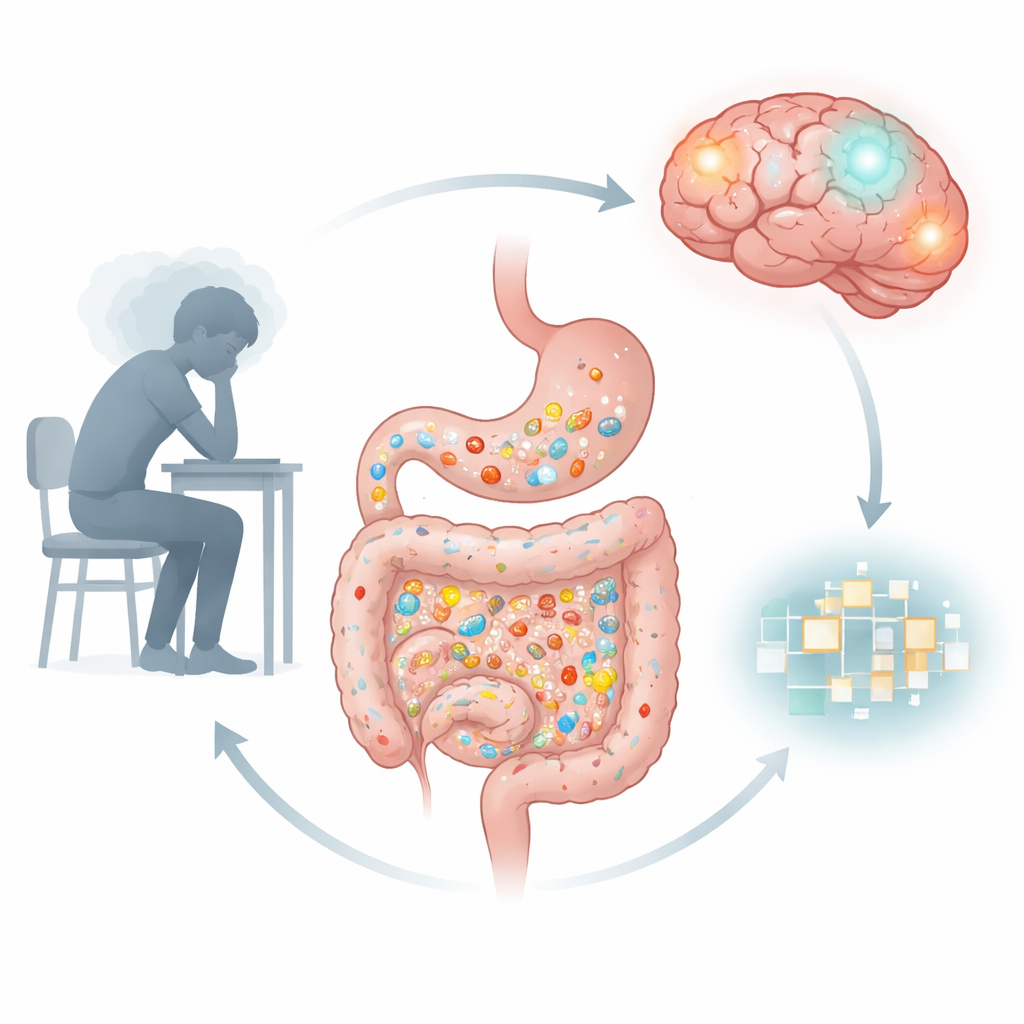
Many teenagers struggle with low mood that is serious but not quite severe enough to be called major depression. This gray zone, known as subthreshold depression, can still interfere with school, friendships, and daily life—and often foreshadows later, full-blown depression. At the same time, science has been uncovering surprising links between the trillions of microbes in our intestines and how we feel and think. This study brings those threads together, asking whether the mix of bacteria living in the guts of adolescents with subthreshold depression differs from their peers, and whether those microbial shifts are tied to subtle changes in thinking and memory.
Looking Inside Teens’ Minds and Guts
The researchers studied 177 students aged 12 to 14 from a middle school in Guangzhou, China. Thirty‑eight of them had subthreshold depression, meaning they showed at least two core depressive symptoms for a week or more but did not meet criteria for a full depressive disorder. The rest were clinically well, with no psychiatric diagnoses or medications. Everyone completed detailed interviews and questionnaires about mood, and then took a standardized battery of thinking tests that measured attention, memory, problem solving, and social understanding. Each student also provided a morning stool sample so the team could map the genetic material of the microbes living in their intestines, using a high‑resolution method called shotgun metagenomic sequencing.
Distinct Microbial Signatures in Subtle Depression
When the scientists compared gut communities between the depressed and well teens, they found that overall diversity within individuals was similar, but the pattern of microbes across individuals differed more in the subthreshold depression group. Certain bacterial families and broader lineages stood out. Teens with subthreshold depression had higher levels of a group of spiral‑shaped bacteria called Spirochaetes (detected consistently at several taxonomic levels), as well as Synergistetes, Rhizobiales, Thermoanaerobacterales, Rhodospirillales, and Oxalobacteraceae. These shifts appeared even though the teens were otherwise physically healthy and not taking drugs that typically disturb gut flora, suggesting a meaningful association between low‑grade depressive symptoms and a particular microbial profile in adolescence.
Surprising Links to Memory and Brain‑Related Pathways
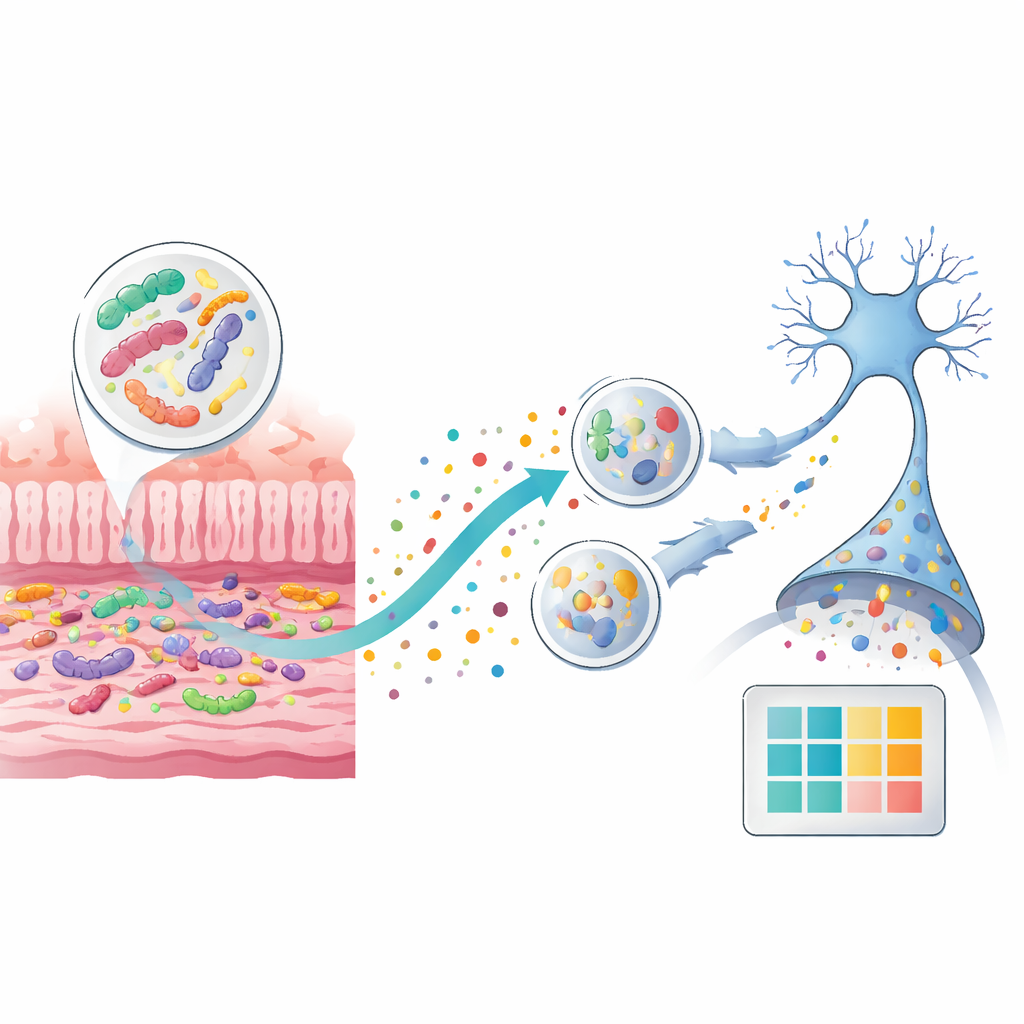
One unexpected finding was cognitive: on a visual–spatial working‑memory task (the Spatial Span test), adolescents with subthreshold depression actually scored higher than their well peers. Several of the bacteria that were more abundant in the depressed group, especially Spirochaetes across multiple levels, were positively linked to better performance on this memory test. In contrast, one microbial family, Oxalobacteraceae, was more common in the depressed teens and strongly tied to higher depression scores. When the team looked at microbial gene functions, they saw that gene sets associated with broad categories labeled "neurodegenerative diseases" and with protein “translation” were more active in the depressed group’s microbiomes. Another cluster of functions related to intracellular trafficking and vesicle transport—processes central to how cells move and release signaling molecules—was negatively related to working‑memory scores, hinting at a possible bridge between gut activity and brain communication.
Can Gut Bacteria Help Flag At‑Risk Teens?
To explore whether these microbial patterns might help identify vulnerable adolescents, the researchers trained a machine‑learning model on the gut data. Using only a few key bacterial groups as inputs, the model could distinguish teens with subthreshold depression from their well classmates with about 74% accuracy. The best‑performing predictors were the elevated Spirochaetes lineage and Rhizobiales. While far from a diagnostic test ready for the clinic, this result suggests that stool‑based microbial fingerprints might eventually complement questionnaires and interviews, offering an objective, noninvasive way to spot young people who are quietly sliding toward more serious mood problems.
What This Means for Teens and Their Futures
Altogether, the study paints subthreshold depression in adolescents as more than a passing phase of feeling down. It appears alongside a distinct reshaping of gut bacteria and subtle shifts in thinking, especially working memory. Because subthreshold depression often precedes major depressive episodes, these early gut and cognitive changes could be part of the biological chain that leads from mild symptoms to disabling illness. The work does not prove cause and effect, and it needs to be repeated in larger and more diverse groups. Still, it opens the door to new possibilities: that supporting gut health through diet, exercise, or targeted therapies might someday help identify, and perhaps even protect, young people at risk before depression fully takes hold.
Citation: Wang, R., Ma, R., Cai, Y. et al. Exploratory characterization of gut microbiota and cognitive profiles in adolescents with subthreshold depression: a shotgun metagenomics sequencing study. npj Mental Health Res 5, 21 (2026). https://doi.org/10.1038/s44184-026-00202-9
Keywords: gut microbiome, adolescent depression, subthreshold depression, cognitive function, brain–gut axis