Clear Sky Science · en
Dynamic bidirectional relationships between perceived stress and emotion regulation in emergency medical service clinicians
Why the Stress of Saving Lives Matters
Emergency medical service (EMS) clinicians—paramedics and EMTs—rush toward crises that most of us hope never to see. Along the way, they face constant pressure, heartbreaking losses, and long shifts with little time to recover. Many turn to alcohol or cannabis to cope. This study asks a simple but urgent question: in the midst of all this, how do moment‑to‑moment changes in stress and emotional coping play off each other, and could strengthening emotional skills actually dial down stress in real time?
Life on the Front Lines
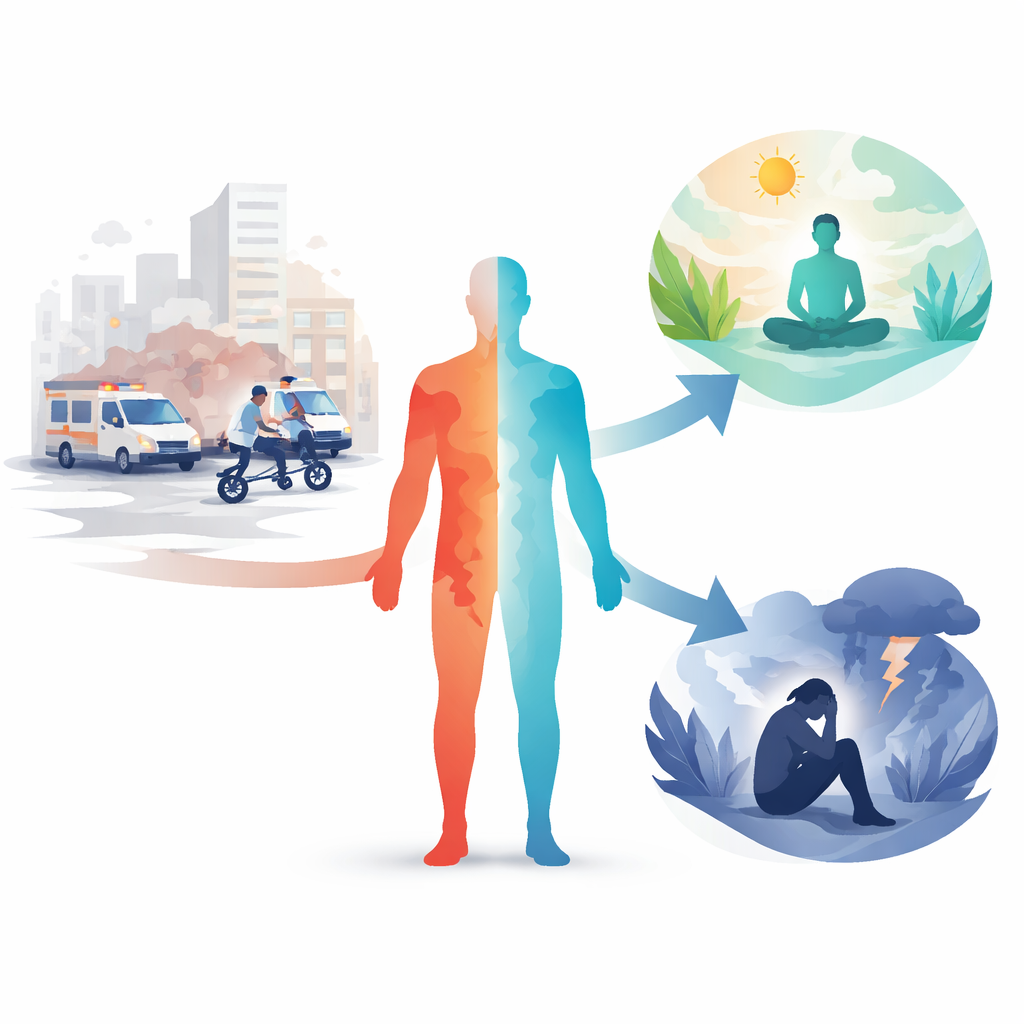
EMS clinicians care for seriously ill and injured people in unpredictable settings, often with limited equipment and support. Studies show they are among the most vulnerable of all first responders to chronic stress, mental health problems, and substance use. Big, dramatic calls—like a patient’s death—are only part of the picture. Everyday hassles, from staffing shortages to conflicts with coworkers, stack up without enough recovery time. Many clinicians report using alcohol or cannabis to manage this constant burden, and a sizable fraction struggle to cut back, putting them at higher risk for long‑term health problems.
How Feelings Shape Stress
Stress is not only about what happens, but also about how we interpret and react to it. The authors focus on “emotion regulation,” which here means the ability to notice, accept, and manage feelings in a flexible, healthy way. Rather than treating this as a fixed trait—something you either have or you don’t—they view it as a shifting capacity that can rise and fall across the day. Similarly, feelings of being stressed can surge or settle from hour to hour. The team wanted to know: when stress goes up for a given clinician, does their ability to regulate emotions soon drop? And when they feel more able to handle their emotions, does their sense of stress ease afterward?
Tracking Stress in Real Time
To answer these questions, 110 full‑time EMS clinicians from across the United States who regularly used alcohol and/or cannabis (at least twice per week) enrolled in a 28‑day study. Five times a day, at semi‑random moments, they received brief surveys on their smartphones asking how stressed they felt since the last survey and how well they were managing their emotions. In total, they completed over 12,000 assessments, with strong participation. The researchers then used advanced statistical modeling that treats stress and emotion regulation as continuously changing processes, allowing them to see how one state at a given moment predicts the other hours later.
A Two‑Way Street Between Stress and Coping
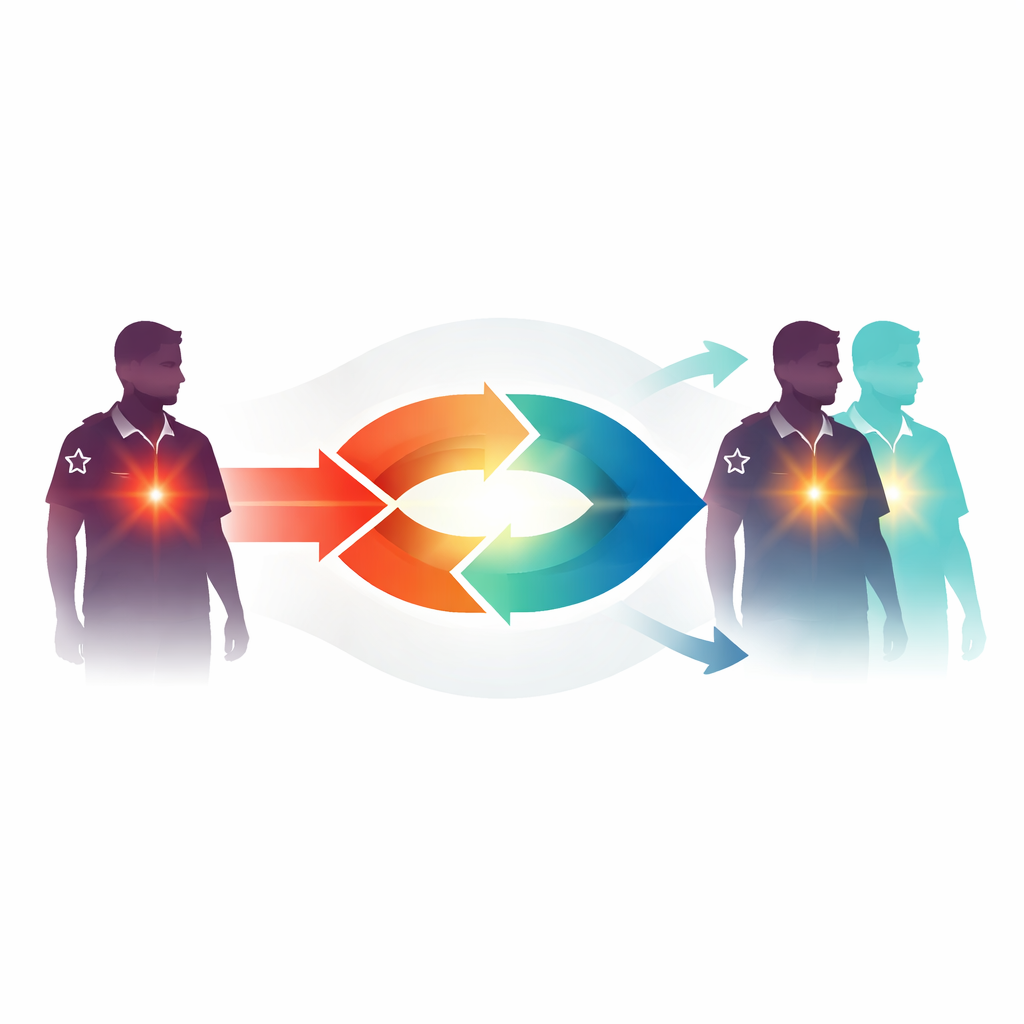
The results revealed a dynamic, two‑way relationship. When a clinician reported feeling more stressed than usual at one point in time, they were more likely to report weaker emotion regulation a few hours later. At the same time, when they felt more able than usual to understand and manage their emotions, they tended to report lower stress in the hours that followed. Notably, the protective effect of strong emotion regulation on later stress was larger than the harmful effect of stress on later regulation. These patterns were most pronounced over short windows—on the order of one to five hours—suggesting that the emotional aftermath of a tough call or a draining shift unfolds over the same day, not just over weeks or months.
What Substance Use Did—and Didn’t—Change
All participants used alcohol or cannabis regularly, but the severity of their use varied. The researchers tested whether those with more intense use showed different moment‑to‑moment patterns between stress and emotion regulation. Within this at‑risk group, they found no clear evidence that higher baseline alcohol or cannabis severity changed how strongly stress and emotion regulation influenced one another. Because the study excluded those at the very highest levels of use, and the exploratory tests had limited statistical power, the authors caution that heavier use could still alter these links; it just was not detectable in this sample.
Turning Insight into Support
The findings point toward new ways to support EMS clinicians. If stronger emotion regulation can meaningfully reduce stress within hours, it becomes a promising target for brief, well‑timed interventions. The authors envision “just‑in‑time” digital tools that combine short self‑check‑ins with data from devices like smartwatches to spot spikes in stress and then deliver quick exercises in mindfulness, reframing thoughts, or peer‑based emotional support—ideally when a clinician is safe and off‑task. Unlike traditional debriefings that focus on major incidents, such tools could help clinicians recover from the constant drip of everyday stressors that currently go unaddressed.
What This Means for Everyday Heroes
In plain terms, this study shows that for EMS clinicians who already use substances to cope, stress and emotional coping are locked in a real‑time tug‑of‑war. High stress today can erode emotional footing later in the day, but moments of emotional strength can pull stress back down, often within an hour. Because we cannot remove the emergencies from emergency medicine, protecting these workers will likely depend on boosting their ability to recognize, accept, and work with their emotions on the fly. By building and supporting these skills—potentially through smart, flexible digital tools—we may be able to lessen their daily stress and, over time, reduce reliance on risky coping habits like heavy drinking or drug use.
Citation: Plaitano, E.G., Frumkin, M.R., Jacobson, N.C. et al. Dynamic bidirectional relationships between perceived stress and emotion regulation in emergency medical service clinicians. npj Mental Health Res 5, 20 (2026). https://doi.org/10.1038/s44184-026-00201-w
Keywords: emergency medical services, occupational stress, emotion regulation, substance use, digital mental health