Clear Sky Science · en
Mental Ill health and burnout in residential aged care workers
Why the people who care for our elders need care too
Behind the doors of residential aged care homes, thousands of workers support some of the most vulnerable people in our communities. Yet this study reveals that many of these carers in Australia are struggling with high levels of depression, anxiety, and burnout. Understanding what is driving this distress—and what might protect workers from it—matters not only for their own wellbeing, but also for the safety and quality of care that older residents receive every day.
Who took part in the study
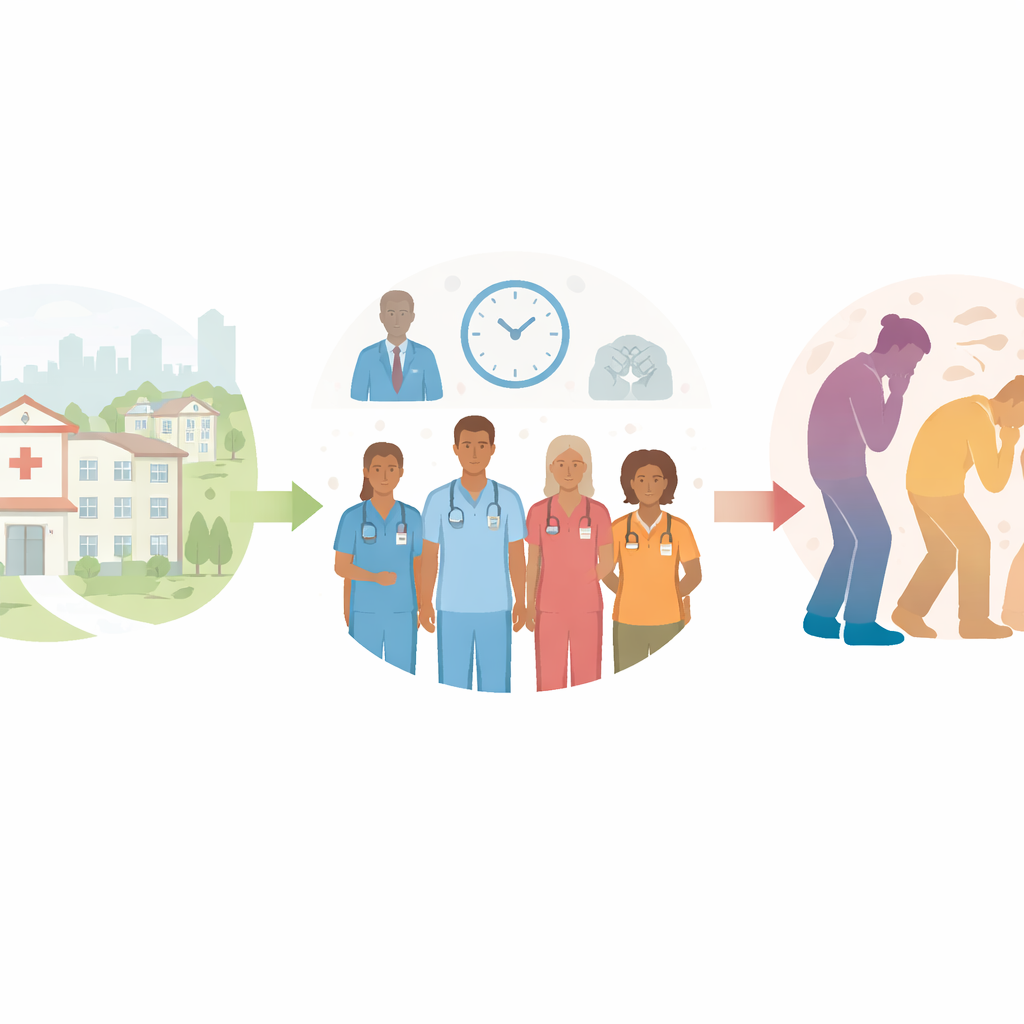
The researchers surveyed more than a thousand staff members working in residential aged care facilities across Australia. Most were women in their 50s, and over half had been in aged care for more than a decade. Personal care workers, who provide much of the hands-on daily support to residents, made up about half the sample, with nurses and allied health professionals such as physiotherapists and social workers making up most of the rest. Participants answered questions online about their jobs, mental health, experiences of abuse or assault at work, and whether they planned to look for another job.
What the study found about mental strain
The results were stark. Around one in four workers showed signs of at least moderately severe depression, and more than one in three had anxiety levels consistent with an anxiety disorder. Over half had burnout scores in the elevated range, and more than a third reported low overall wellbeing. These figures are as high as, or higher than, those seen in healthcare staff during the height of the COVID-19 pandemic, even though this survey took place more than a year after Australia’s emergency response ended. Allied health workers tended to fare somewhat better than other groups, but distress and exhaustion were widespread across roles.
Violence, support, and the daily reality of the job
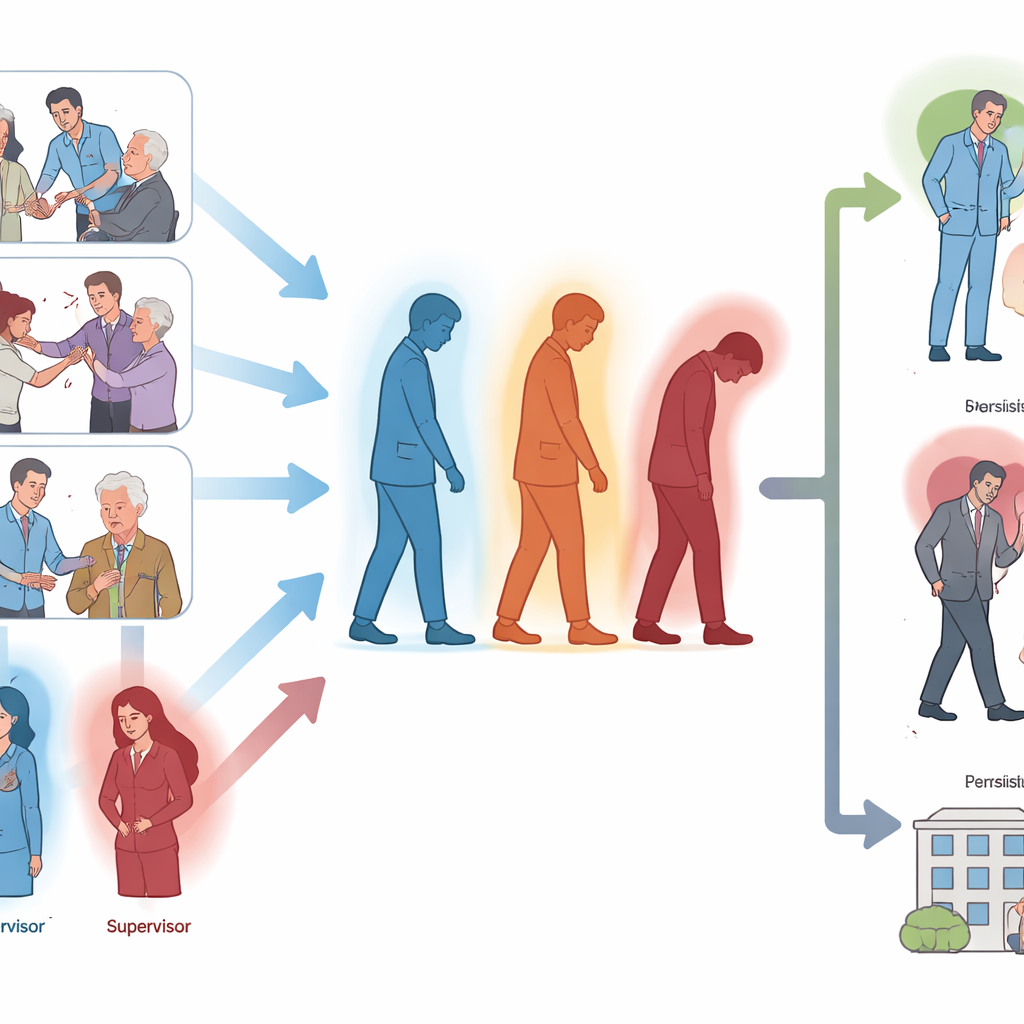
The survey painted a troubling picture of everyday working conditions. Nearly six in ten respondents had been abused by a resident’s relative, and two thirds reported being physically assaulted by a resident or client at some point in their career. Those who had been assaulted had higher levels of depression, anxiety, and burnout. But one factor consistently stood out as protective: support from supervisors and managers. Workers who felt their supervisor was approachable, cared about their wellbeing, and could be turned to during times of stress had lower levels of mental ill health and higher wellbeing. In contrast, low supervisor support was linked to worse scores on every mental health measure the researchers examined.
Burnout and the risk of losing experienced staff
Burnout was especially common among staff who had worked in aged care for many years, those who supervised other workers, and those involved in patient safety incidents or exposed to abuse and assault. This emotional exhaustion had real consequences for the workforce. About two in five respondents said they planned to look for another job in the next year, and most of them were unlikely to stay in residential aged care. Higher depression, anxiety, and burnout all made it more likely that a worker intended to leave, while better wellbeing reduced that likelihood. In other words, poor mental health and harsh working conditions are not just personal struggles; they also threaten the stability of the entire aged care sector.
What this means for residents, workers, and the future
To a lay reader, the message is clear: the people caring for older Australians are under intense psychological strain, often facing violence and emotional hardship with limited support. The study suggests that reducing assaults and abuse in aged care homes and improving day-to-day support from managers could make a meaningful difference to workers’ mental health and their willingness to stay in their jobs. While the research cannot prove cause and effect, it highlights an urgent need for practical, evidence-based changes—such as better training for managers in mental health, stronger violence prevention measures, and organization-wide efforts to foster safer, more supportive workplaces. Protecting the wellbeing of aged care staff is ultimately an investment in the dignity and safety of the residents they serve.
Citation: Deady, M., Collins, D.A.J., Gayed, A. et al. Mental Ill health and burnout in residential aged care workers. npj Mental Health Res 5, 19 (2026). https://doi.org/10.1038/s44184-026-00200-x
Keywords: aged care workforce, burnout, workplace violence, supervisor support, mental health of carers