Clear Sky Science · en
A multi-omics analysis of gut bacteriome, virome, and serum metabolome in bipolar depression
Why the Gut Matters for Mood Swings
Bipolar disorder is usually described as a problem in the brain, marked by powerful swings between low and high moods. But our brains do not work in isolation. They are constantly influenced by signals coming from the rest of the body, including the trillions of microbes living in the gut. This study takes a close, multi-layered look at how gut bacteria, gut viruses, and small molecules circulating in the blood differ between people with bipolar depression and healthy volunteers, and how these changes might help doctors better detect and understand the illness.
Taking a Three-Way Look Inside the Body
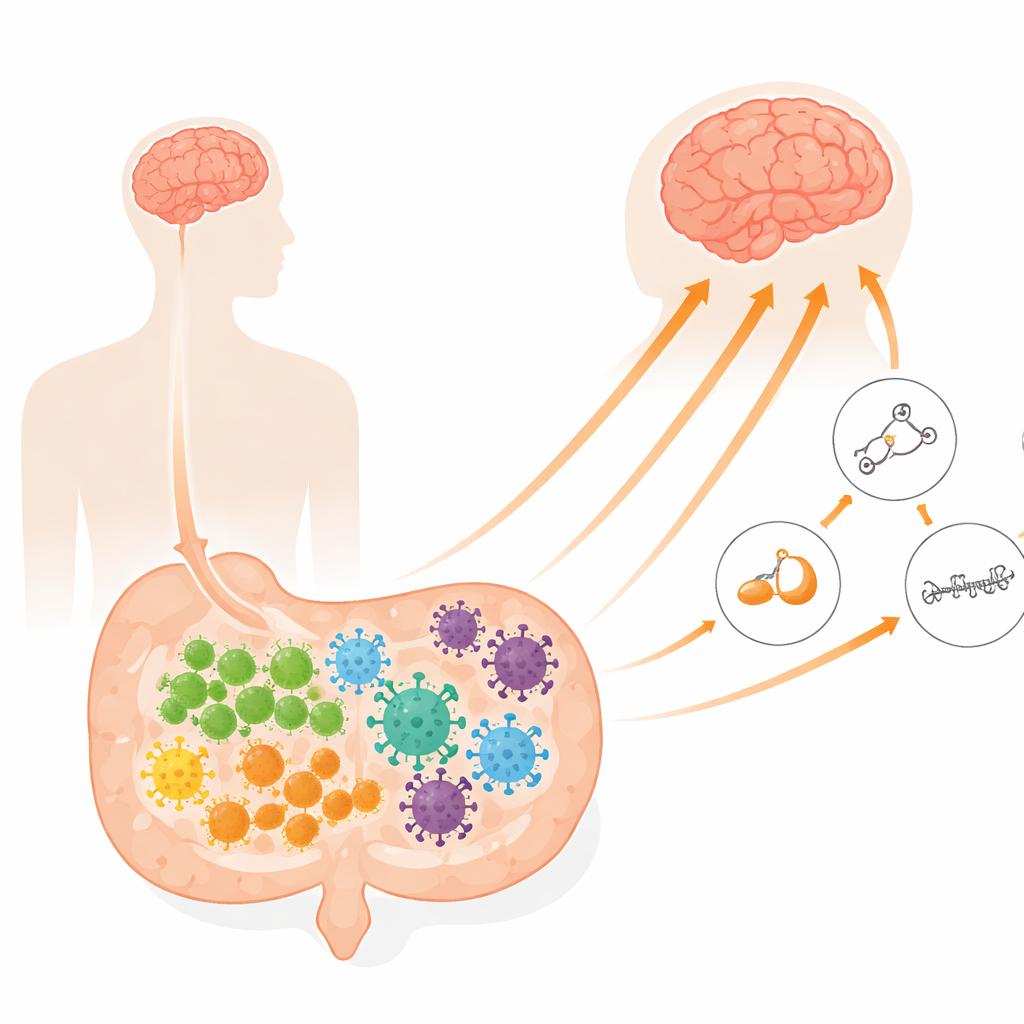
The researchers recruited 90 people experiencing a depressive episode of bipolar disorder who were not taking psychiatric drugs, along with 30 healthy volunteers from the same region. From each participant they collected stool samples, to analyze both gut bacteria and gut viruses, and blood samples, to profile hundreds of tiny chemicals called metabolites. By layering these three types of data together—bacterial DNA, viral DNA, and blood chemistry—the team aimed to map how changes in the gut ecosystem might ripple through the bloodstream and ultimately affect the brain.
Shifts in Gut Microbes, Especially Bacteria
Analyses showed that people with bipolar depression had fewer kinds of gut bacteria compared with healthy participants, a drop in diversity that remained robust even after strict statistical corrections. Many individual bacterial species differed between groups, particularly members of genera such as Clostridium, Ruminococcus, and Lachnospira, which are known to produce short-chain fatty acids that help maintain the gut barrier and support brain health. The viral community also showed changes—especially in families of viruses that infect bacteria—but these differences were fewer and more fragile under conservative statistical tests. Together, the findings point to a disturbed gut ecosystem in bipolar depression, driven mainly by bacteria with supporting changes in their resident viruses.
Blood Chemistry as a Mirror of the Gut
The blood of patients with bipolar depression carried a distinct chemical signature. Over 200 metabolites differed between patients and healthy volunteers, many involved in metabolism of amino acids, fats, and carbohydrates. Pathways tied to brain function, such as those related to glutamate and tryptophan—the building blocks of key mood-regulating messengers—as well as lipid and purine metabolism, appeared especially disrupted. When the team linked microbes to metabolites, they uncovered thousands of strong relationships between certain bacteria and specific blood chemicals, and a smaller but notable set of links involving gut viruses. In contrast, only the metabolites, not individual microbes, showed reliable correlations with symptom severity scores, suggesting that the gut may influence mood mainly through the molecules it helps generate.
Weaving Microbes, Viruses, and Molecules Together
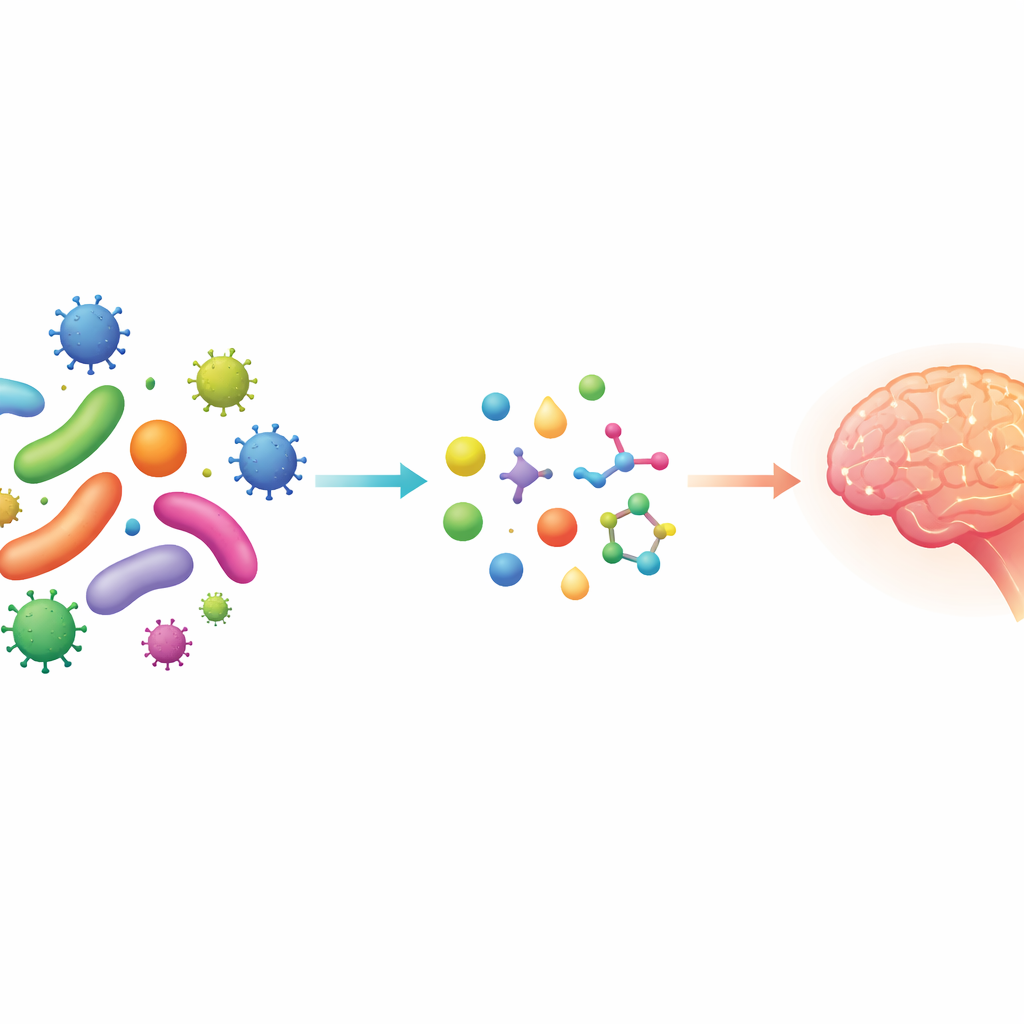
By applying advanced statistical tools, the authors found that bacteria, viruses, and metabolites do not act in isolation but form a tightly connected network. Viruses that infect bacteria, particularly in the Siphoviridae and Myoviridae families, appeared to move in step with certain bacterial species, which in turn were linked to changes in key metabolic compounds. The authors propose a “tripartite mediation” model: gut viruses reshape bacterial communities; altered bacteria change the mix of metabolites entering the bloodstream; these metabolites then influence brain inflammation, energy use, and signaling, contributing to depressive symptoms in bipolar disorder. This indirect chain may explain why viruses themselves showed only weak direct links to how sick people felt.
Toward More Precise Diagnosis and Treatment
Finally, the team trained computer models to see whether combinations of bacterial species, viral species, and blood metabolites could distinguish bipolar depression from health. A model using all three layers together performed remarkably well, nearly perfectly separating patients from controls and outperforming models that relied on only one type of data. To a lay reader, this means that a future diagnostic test might someday read patterns in gut microbes and blood chemistry much like a fingerprint, helping confirm a diagnosis or guide treatment. While the study is cross-sectional and cannot prove cause and effect, it strongly supports the idea that bipolar depression is linked to a disrupted gut–brain conversation—and that carefully chosen panels of microbes and metabolites could become powerful tools for more precise psychiatry.
Citation: Kong, L., Zhuang, Y., Zhu, B. et al. A multi-omics analysis of gut bacteriome, virome, and serum metabolome in bipolar depression. npj Mental Health Res 5, 18 (2026). https://doi.org/10.1038/s44184-026-00197-3
Keywords: bipolar disorder, gut microbiome, virome, metabolomics, microbiota–gut–brain axis