Clear Sky Science · en
Accelerated recovery using magnesium ibogaine: characterizing the subjective experience of its rapid healing from neuropsychiatric disorders
Why This Matters for Healing Invisible Wounds
Many military veterans return from combat carrying invisible injuries: traumatic brain injury (TBI), post-traumatic stress disorder (PTSD), depression, and addictions that resist standard treatments. This article explores a powerful but unconventional approach called magnesium–ibogaine therapy, which appears to help some Special Operations veterans move through years of trauma in a matter of hours. By listening carefully to how these men described their own experiences, the researchers shed light on what this intense treatment feels like from the inside—and why it might unlock rapid change when other therapies have failed. 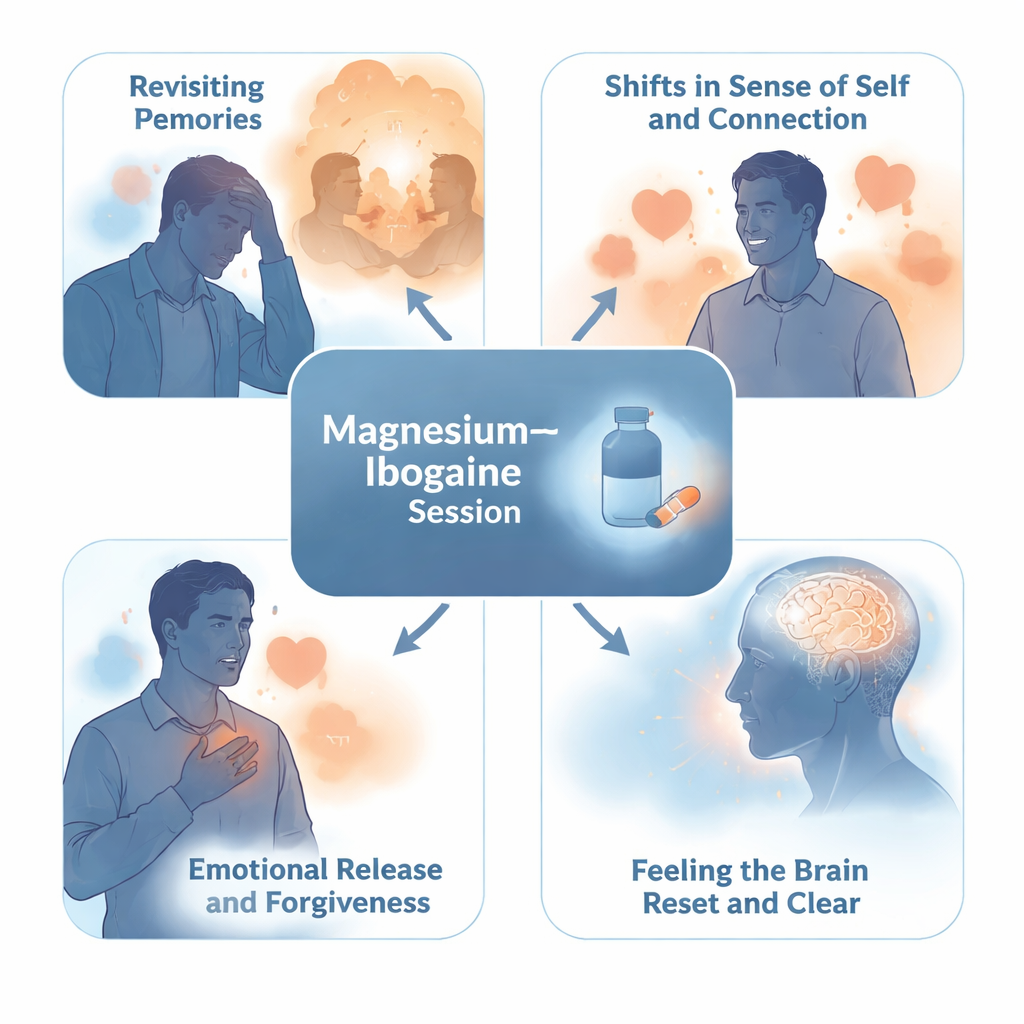
Who Took Part and What They Underwent
The study focused on 30 male U.S. Special Operations veterans, many of whom had multiple combat deployments, repeated blast-related TBIs, and long histories of PTSD, depression, anxiety, and substance misuse. All had already chosen to travel to a clinic in Mexico offering magnesium–ibogaine in a five-day retreat setting, and the Stanford research team followed them before and after treatment. On site, participants received medical screening and preparation, intravenous magnesium, and then carefully monitored doses of ibogaine—an oneirogenic, or dream-inducing, psychedelic compound originally used in West-Central African rituals. They spent the peak of the experience lying quietly on mats with eyeshades, with medical staff present but without structured psychotherapy in the room. After the acute effects faded, they engaged in group “integration” sessions, wellness activities like yoga and breath work, and remote sessions with therapists experienced in psychedelic care.
When the Past Replays with New Meaning
After treatment, participants answered open-ended questions about what they had gone through. Using a method called constructivist grounded theory, the researchers read and coded these narratives to find recurring patterns. One major theme was intense trauma processing: vivid replays of combat scenes or long-buried events, yet experienced with a strikingly different emotional tone. Veterans described meeting dead comrades who now appeared peaceful and forgiving, or finally uncovering childhood trauma that decades of talk therapy had never reached. Many felt as though they were in dialogue with a wise presence or “higher consciousness” that guided them through moral lessons and life reviews. Rather than being overwhelmed, they often reported a sense of safety and distance—like watching their lives from an observer’s seat—which allowed them to reconsider old guilt, shame, and survival strategies. 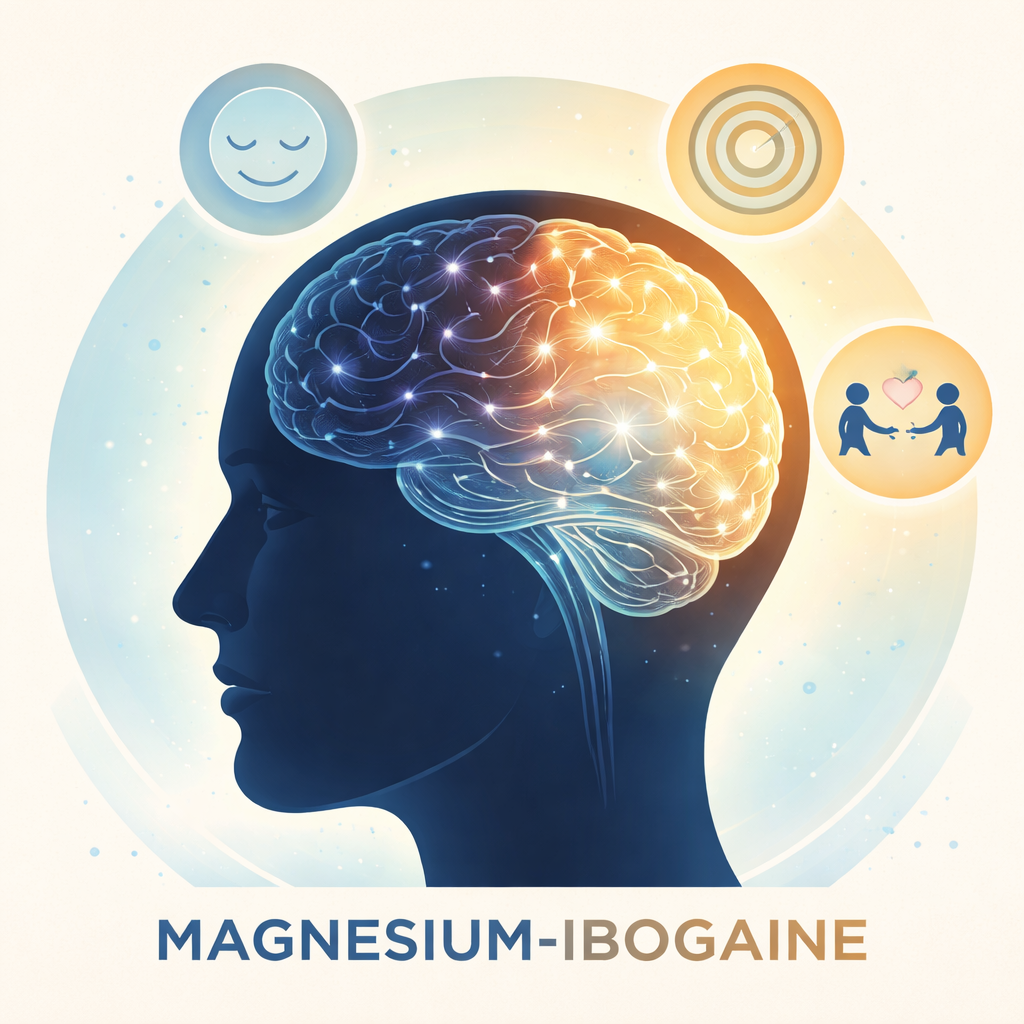
Feeling Connected, Loved, and Emotionally Lighter
A second cluster of experiences involved profound shifts in identity and connection. Veterans spoke of their usual sense of self dissolving, merging with a larger whole, or encountering a divine presence that felt both vast and deeply personal. For some, this took the form of conversations with “God” or the realization that they were part of something bigger and fundamentally loving. These mystical moments were tightly woven with emotional breakthroughs: sudden rushes of love for family and friends, waves of compassion, and the ability to forgive themselves and others for past actions. Many described leaving the session feeling reconnected to their loved ones and to a renewed sense of purpose—like stepping into a “second chance” at life with clearer priorities and less emotional armor.
Imagining the Brain Repairing Itself
Another powerful theme was embodied healing. Veterans often felt strange but meaningful bodily sensations in their heads and nervous systems, which they interpreted as their brains “resetting” or “recharging.” They envisioned neurons firing, circuits being cleaned out, or damaged areas knitting back together. While these are metaphors rather than literal reports of what the brain is doing, they lined up intriguingly with earlier measurements from the same group showing better thinking speed, executive function, and reduced disability after treatment. Many also noticed concrete behavioral changes: losing their taste for alcohol or heavy caffeine, sleeping better, paying closer attention, and feeling less driven by cravings or compulsive habits. To the participants, the inner imagery of repair and the outer shifts in daily life felt like two sides of the same healing process.
What This Could Mean for the Future of Trauma Care
Taken together, these stories suggest that magnesium–ibogaine may compress elements of several established therapies—like trauma exposure, cognitive restructuring, mindfulness, and relationship repair—into a single, self-guided session. The experience often resembled an accelerated course of psychotherapy in which deeply painful memories resurface, are viewed from a safer distance, and then reintegrated in an atmosphere of love, forgiveness, and meaning. The authors caution that this was an open-label study with a small, all-male, highly selected group, and that ibogaine carries medical risks and is not yet an approved treatment. Still, the veterans’ own words point to a striking possibility: under the right conditions, a dreamlike psychedelic state may help the brain and mind “let go” of rigid, trauma-bound patterns far more quickly than traditional approaches—offering a glimpse of what future, carefully controlled trauma therapies might become.
Citation: Olash, C., Buchanan, D.M., Brown, R. et al. Accelerated recovery using magnesium ibogaine: characterizing the subjective experience of its rapid healing from neuropsychiatric disorders. npj Mental Health Res 5, 8 (2026). https://doi.org/10.1038/s44184-026-00185-7
Keywords: ibogaine, traumatic brain injury, PTSD, psychedelic therapy, veterans