Clear Sky Science · en
Targeting immunometabolic pathways with AZD1656 alleviates inflammation and metabolic dysfunction in type 2 diabetic cardiomyopathy
Why this research matters to you
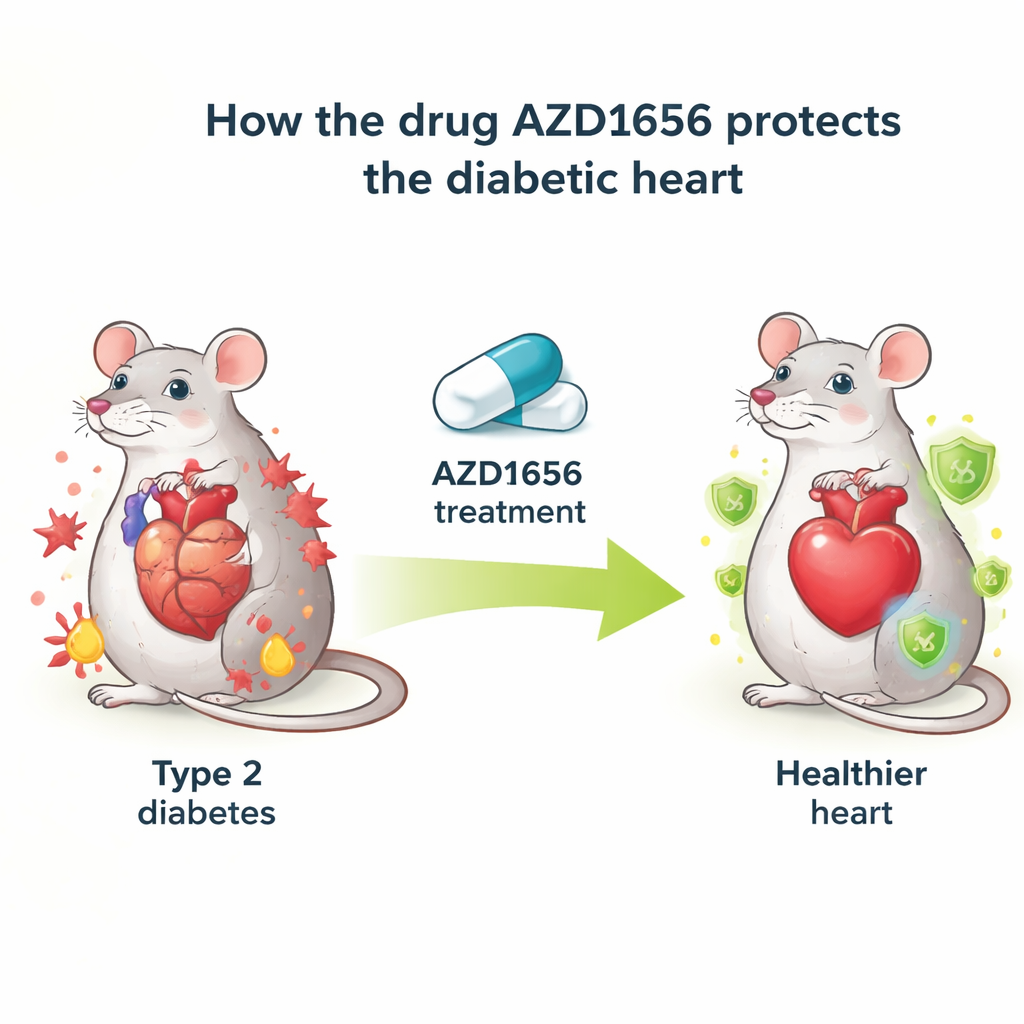
People with type 2 diabetes are far more likely to develop heart problems, even when their blood sugar appears reasonably controlled. This study asks a hopeful question: instead of treating sugar alone, can we calm the immune system and re‑tune the heart’s energy use to protect it from damage? The researchers tested an experimental pill, AZD1656, in a mouse model of diabetic heart disease and show that it can improve heart function, reduce scarring and make heart metabolism more efficient—without actually fixing obesity or high blood sugar.
A hidden heart disease in diabetes
Many people with type 2 diabetes develop “diabetic cardiomyopathy,” a form of heart disease where the heart becomes stiff, inflamed and energetically exhausted. Early on, the heart may still pump out enough blood, so standard tests can look normal, but filling and relaxation between beats are impaired. In this study, obese, severely diabetic db/db mice were used to mimic this condition. They showed hallmark features seen in patients: obesity, high blood sugar, low‑grade inflammation and diastolic dysfunction—meaning their hearts had trouble relaxing and refilling between beats. The hearts also relied heavily on burning fats instead of flexibly switching between fuels, a pattern linked to wasted oxygen and long‑term damage.
An old diabetes drug with a new purpose
AZD1656 was originally designed to help the body sense and use glucose by activating an enzyme called glucokinase. In human trials it only briefly lowered blood sugar, but later work revealed something unexpected: it boosts the mobility of regulatory T cells, a specialized immune cell type that acts as a brake on inflammation. Building on this, the authors treated diabetic mice with AZD1656 in their food for six weeks and then examined their hearts using MRI, ultrasound, isolated heart perfusion and a suite of metabolic and immune analyses. Importantly, the drug did not make the mice leaner, did not normalize their blood sugar or insulin levels, and had little effect on the liver, fat or skeletal muscle. Any benefit was therefore coming from more targeted changes, rather than a general improvement in diabetes.
Making the diabetic heart work smarter, not harder
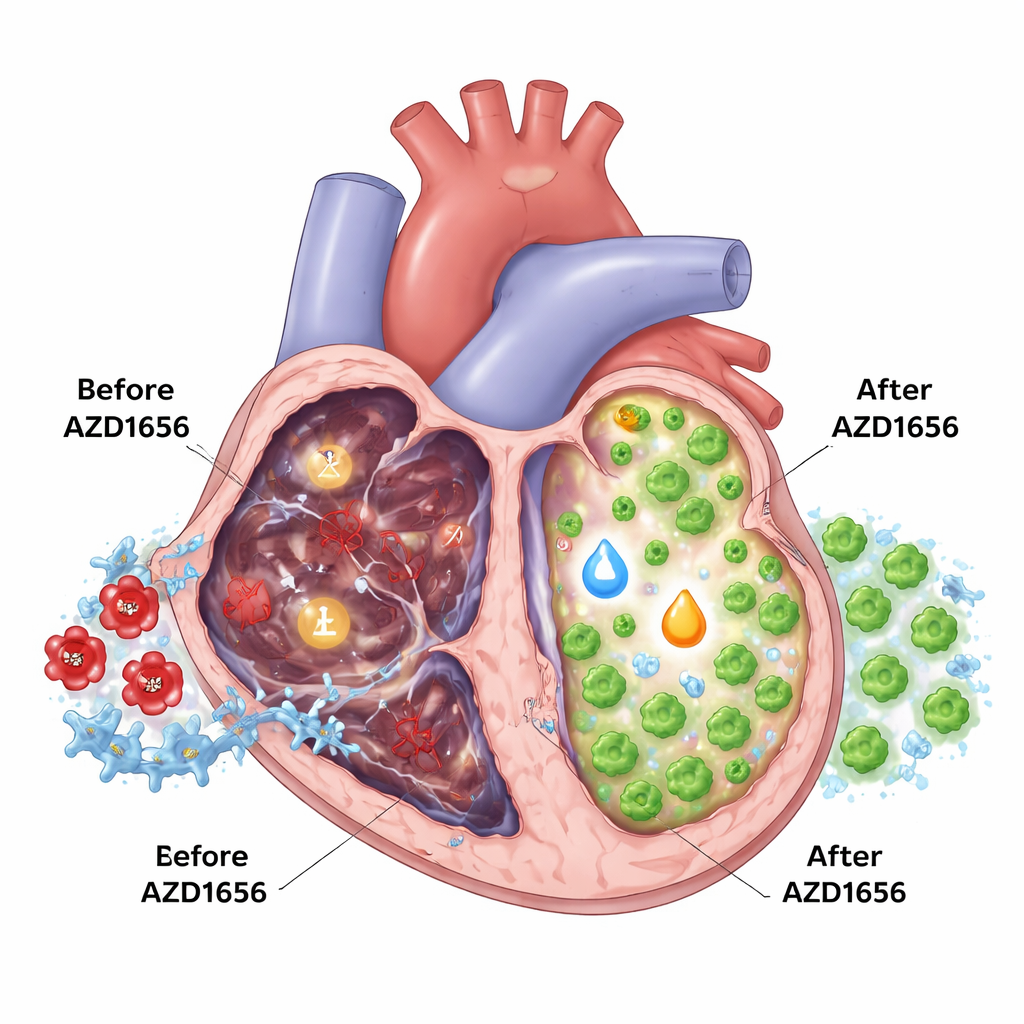
Detailed chemical fingerprinting of heart tissue showed that diabetes had drained key energy stores, altered the balance of amino acids and shifted metabolism toward inefficient pathways that burn more oxygen and generate more reactive by‑products. Computer modeling and cutting‑edge magnetic resonance techniques confirmed that glucose oxidation through the heart’s main “entry enzyme,” pyruvate dehydrogenase, was sharply reduced, while fatty acid use and oxygen consumption were abnormally high. After AZD1656 treatment, the metabolic profile of diabetic hearts became almost indistinguishable from healthy controls. The hearts used oxygen more efficiently—modeling predicted about a two‑fold reduction in oxygen demand—and glucose oxidation improved. The mix and structure of heart lipids, especially membrane phospholipids, also shifted toward a healthier pattern that supports robust mitochondrial function and cell integrity.
Cooling the immune attack inside the heart
The diabetic hearts were not only metabolically stressed; they were also inflamed. Researchers found increased scarring (fibrosis) and a buildup of CD4 T cells, a type of immune cell that can drive chronic injury, without the usual rise in protective regulatory T cells. Gene‑expression profiling revealed hundreds of inflammation‑related genes switched on, including those linked to a major inflammatory complex called the NLRP3 inflammasome. After AZD1656, this landscape changed dramatically. Scarring lessened, total T cell infiltration fell, and regulatory T cells were strongly enriched in the heart. B cells, another immune cell type implicated in harmful remodeling, were reduced. At the gene level, inflammatory and oxidative‑stress pathways were dialed down, while anti‑inflammatory mediators such as Sfrp5 were upregulated. Yet the overall T cell pool in lymphoid organs like the spleen was not expanded, suggesting AZD1656 mainly redirected where regulatory T cells traveled, rather than triggering broad immune suppression.
Protecting the heart from future damage
Beyond day‑to‑day function, the team tested how well hearts with or without AZD1656 could survive a heart attack–like event in the lab. Diabetic hearts were highly vulnerable: when blood flow was cut off and then restored, they developed large areas of dead tissue and recovered pumping function poorly. Hearts from AZD1656‑treated diabetic mice, in contrast, had smaller infarcts and better functional recovery, much closer to non‑diabetic controls. Since the systemic diabetes remained severe, the protection seems to come from reprogramming the heart’s local metabolism and immune environment rather than curing the disease as a whole.
What this could mean for people with diabetes
For a general reader, the key message is that diabetic heart disease is not just a problem of high sugar; it is also a problem of how the heart burns fuel and how the immune system behaves inside the heart muscle. This study shows in animals that a drug originally aimed at blood sugar can instead be used to mobilize the body’s own regulatory immune cells and reset heart metabolism, easing inflammation, scarring and vulnerability to heart attacks. While AZD1656 is not yet proven to work this way in patients with diabetic heart disease, the work points to a new therapeutic strategy: targeting “immunometabolism,” the tight link between immune activity and energy use, to protect the hearts of people living with type 2 diabetes.
Citation: Anderson, S., Karlstaedt, A., Young, M. et al. Targeting immunometabolic pathways with AZD1656 alleviates inflammation and metabolic dysfunction in type 2 diabetic cardiomyopathy. Nat Cardiovasc Res 5, 138–154 (2026). https://doi.org/10.1038/s44161-025-00769-0
Keywords: diabetic cardiomyopathy, type 2 diabetes and heart, immunometabolism, regulatory T cells, cardiac metabolism