Clear Sky Science · en
Proteomics signature of moderate-to-vigorous physical activity and risk of multimorbidity of cancer and cardiometabolic diseases
Why moving your body matters for many diseases
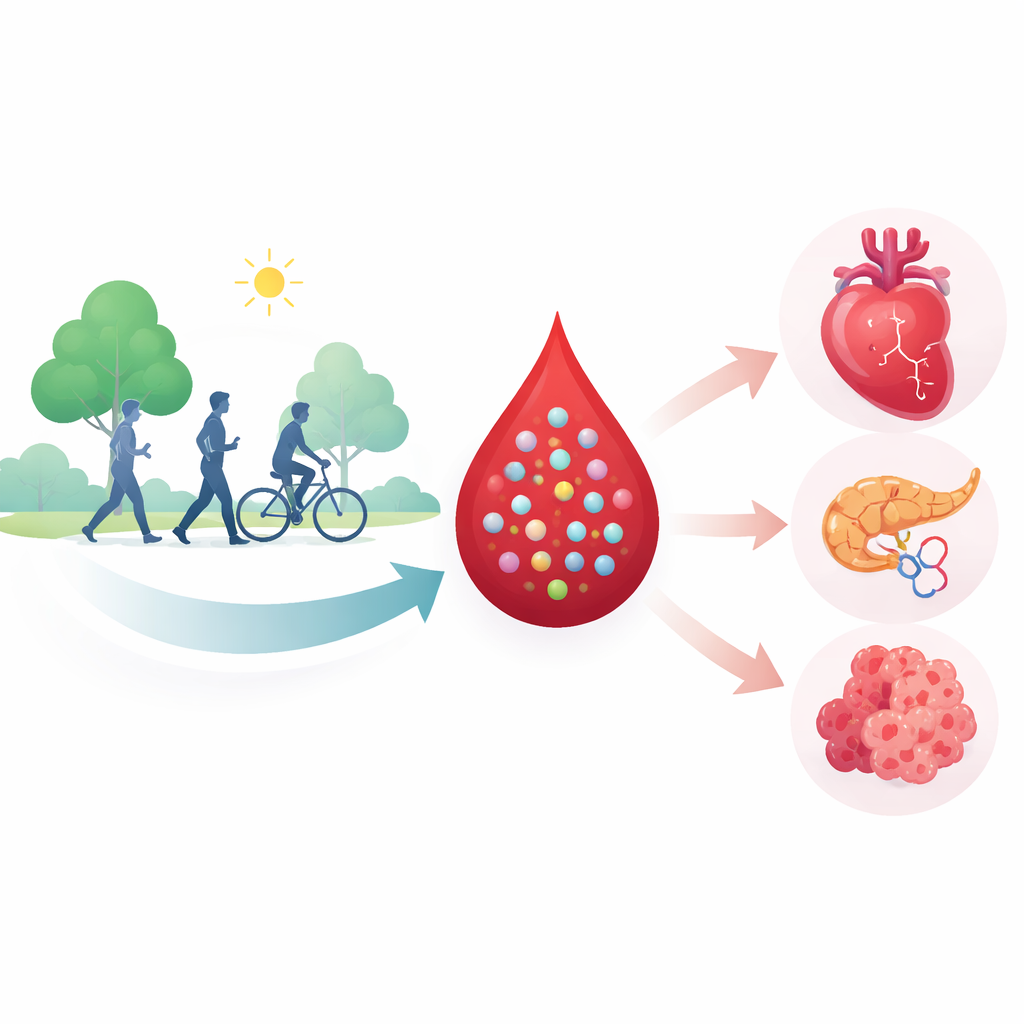
Most of us have heard that regular exercise is good for the heart, helps prevent diabetes, and may lower cancer risk. But how can the simple act of moving your body protect so many different organs? This study peeks inside the bloodstream of more than 33,000 adults to see how moderate-to-vigorous physical activity leaves a molecular “fingerprint” in hundreds of blood proteins—and how that fingerprint relates to the chance of developing cancer, heart disease, type 2 diabetes, or more than one of these conditions.
Looking for exercise clues in the blood
The researchers drew on the UK Biobank, a large health study that has followed hundreds of thousands of people in the United Kingdom for more than a decade. Participants reported how often and how long they engaged in brisk activities such as fast walking, cycling, or sports. At the same time, blood samples were analyzed using high-throughput techniques that can measure nearly 3,000 different proteins at once. These proteins help control appetite, metabolism, inflammation, immune defenses, and the strength of muscles and connective tissues. By combining statistical approaches, the team searched for proteins whose levels reliably tracked with how active people were.
A protein signature of an active lifestyle
The analysis identified a panel of 220 proteins that together formed a “proteomic signature” of moderate-to-vigorous activity. About half of these proteins were lower in active people, including those linked to appetite and cell growth, such as leptin and myostatin. The other half were higher in active individuals and were often involved in keeping muscles, cartilage, and the immune system in good working order, including molecules that help immune cells move and tissues repair themselves. When all 220 proteins were combined into a single score, people with a more “active-like” protein pattern tended to report more weekly exercise, even when taking into account age, sex, body weight, diet, and smoking.
How the protein pattern connects to future disease
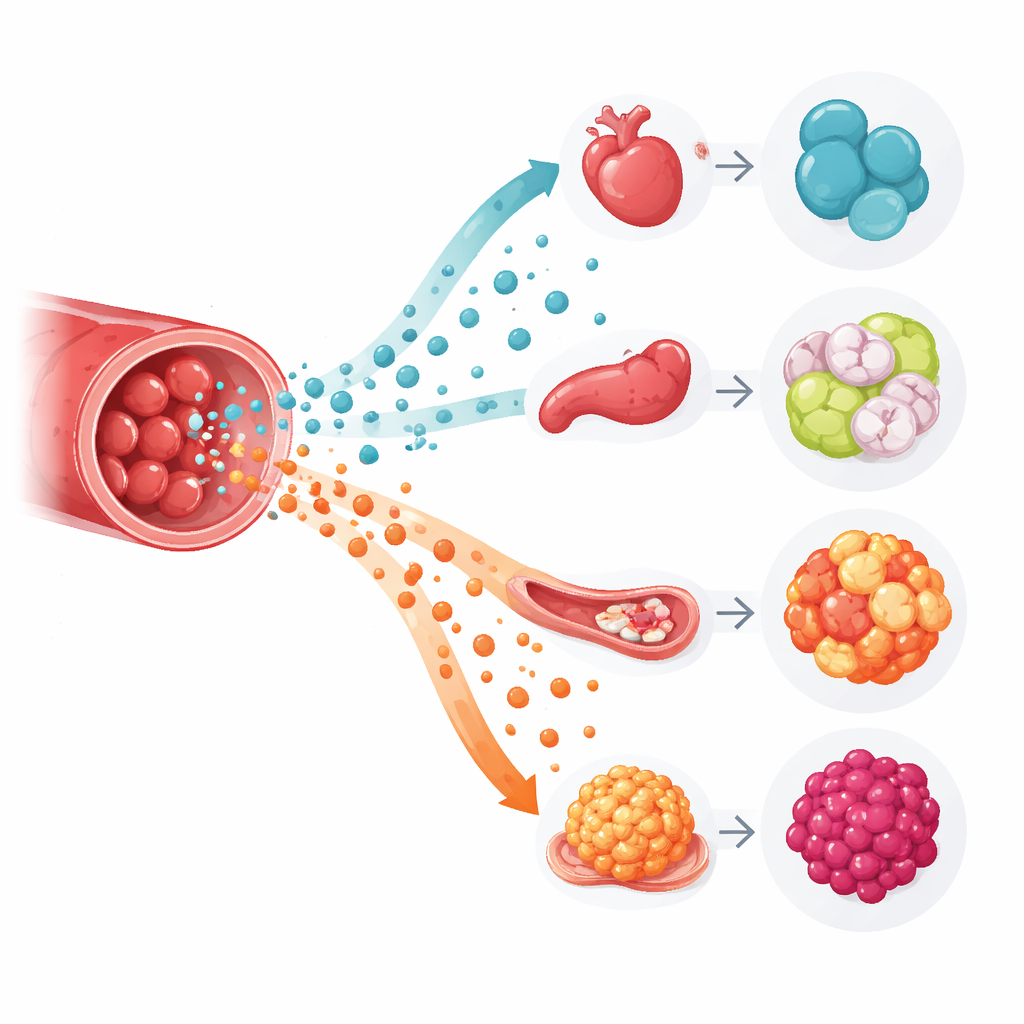
The study then followed participants for nearly 12 years to see who developed cancer, cardiovascular disease, type 2 diabetes, or eventually more than one of these conditions (a state known as multimorbidity). Many of the activity-related proteins also predicted disease risk. Proteins that were higher in active people often lined up with lower risks of cancer or diabetes, while proteins that were lower in active people tended to signal higher risks. For example, some proteins produced during inflammation and blood vessel strain were more common in sedentary individuals and were tied to greater heart disease risk. Others involved in fat and sugar handling appeared to help shield physically active people from diabetes. Overall, the combined protein score was linked to a notably lower chance of developing cancer and, even more strongly, type 2 diabetes. Its relationship with heart disease was weaker, and neither the score nor reported activity clearly predicted who would go on to have multiple conditions once a first disease had already appeared.
What this means for long-term health
Taken together, the findings suggest that regular moderate-to-vigorous activity sets off a cascade of changes in the blood that strengthen tissues, fine-tune metabolism, and shape immune responses in ways that may reduce the risk of several major chronic diseases. The work does not yet prove cause and effect for each individual protein, and it mainly reflects people of European ancestry, but it provides a detailed map of biological pathways that future studies can test more directly. For the layperson, the message is straightforward: moving more does not just burn calories—it appears to rewire the body’s internal chemistry in ways that may help keep cancer, heart disease, and diabetes at bay.
Citation: Stein, M.J., Baurecht, H., Bohmann, P. et al. Proteomics signature of moderate-to-vigorous physical activity and risk of multimorbidity of cancer and cardiometabolic diseases. Commun Med 6, 160 (2026). https://doi.org/10.1038/s43856-026-01514-9
Keywords: physical activity, blood proteins, multimorbidity, cancer and cardiometabolic disease, type 2 diabetes risk