Clear Sky Science · en
The risk of kidney disease increases following SARS-CoV-2 infection compared to influenza
Why this matters for everyday health
Most people think of COVID-19 and the flu as illnesses that primarily attack the lungs. But this study shows that a bout of COVID-19 can leave a lasting mark on another vital organ: the kidneys. By comparing millions of adults with COVID-19, influenza, or neither infection, the researchers reveal that COVID-19 is linked to a noticeably higher risk of both sudden kidney injury and slow, long-term kidney damage. These findings suggest that recovering from COVID-19 does not always mean the body is fully back to normal and that quiet changes in kidney health may unfold long after the fever and cough are gone.
Who was studied and how
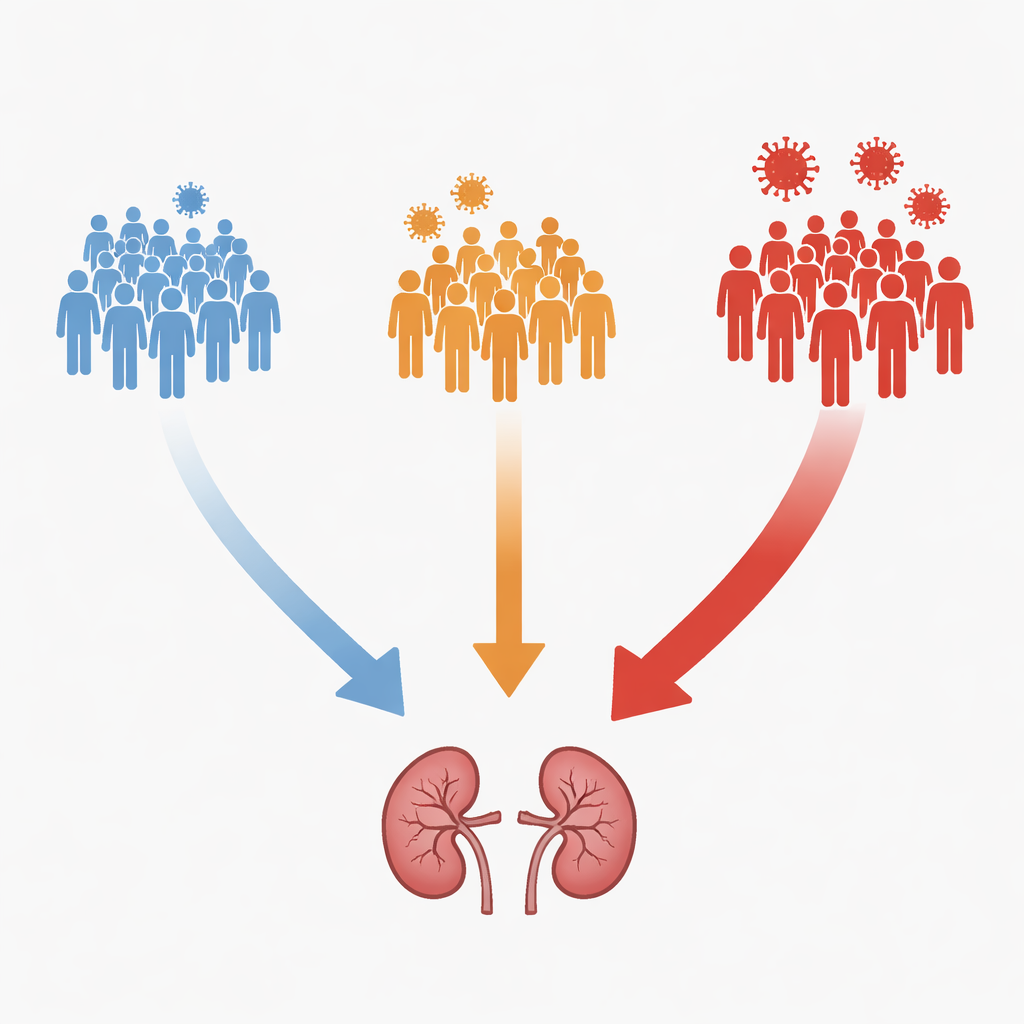
The research team analyzed insurance claims from more than three million working-age adults across the United States between 2020 and 2021. They built three groups: people diagnosed with COVID-19, people diagnosed with influenza but not COVID-19, and a comparison group with neither infection. Everyone was between 18 and 64 years old and had at least a year of continuous insurance coverage before infection plus about three months afterward, allowing the team to track new health problems that appeared over time.
Tracking kidney problems over time
The scientists watched for several types of kidney problems: sudden kidney damage (acute kidney injury), long-term loss of kidney function (chronic kidney disease), complete kidney failure requiring dialysis or transplant (end-stage renal disease), and a set of conditions that affect the tiny filters in the kidneys (glomerular diseases). They used diagnosis codes from medical bills to spot new cases and followed people for a median of almost 11 months. By comparing how often these problems appeared in each group, and by accounting for age, sex, region, other illnesses, and common medications, they estimated how strongly each infection was linked to future kidney trouble.
What the numbers reveal
People who had COVID-19 developed kidney problems more often than those who had the flu or no infection at all. After adjusting for other factors, COVID-19 was linked to almost three times the risk of sudden kidney injury, about 40 percent higher risk of chronic kidney disease, and more than triple the risk of kidney failure compared with people who were never diagnosed with either virus. COVID-19 was also associated with more cases of glomerular diseases. Influenza, in contrast, showed only a modest rise in sudden kidney injury and no clear link to long-term kidney disease or kidney failure. When COVID-19 patients were compared directly with influenza patients, COVID-19 was tied to roughly double the risk of sudden injury, higher risk of chronic disease, and more than four times the risk of kidney failure.
Short-term shocks and long-term scars
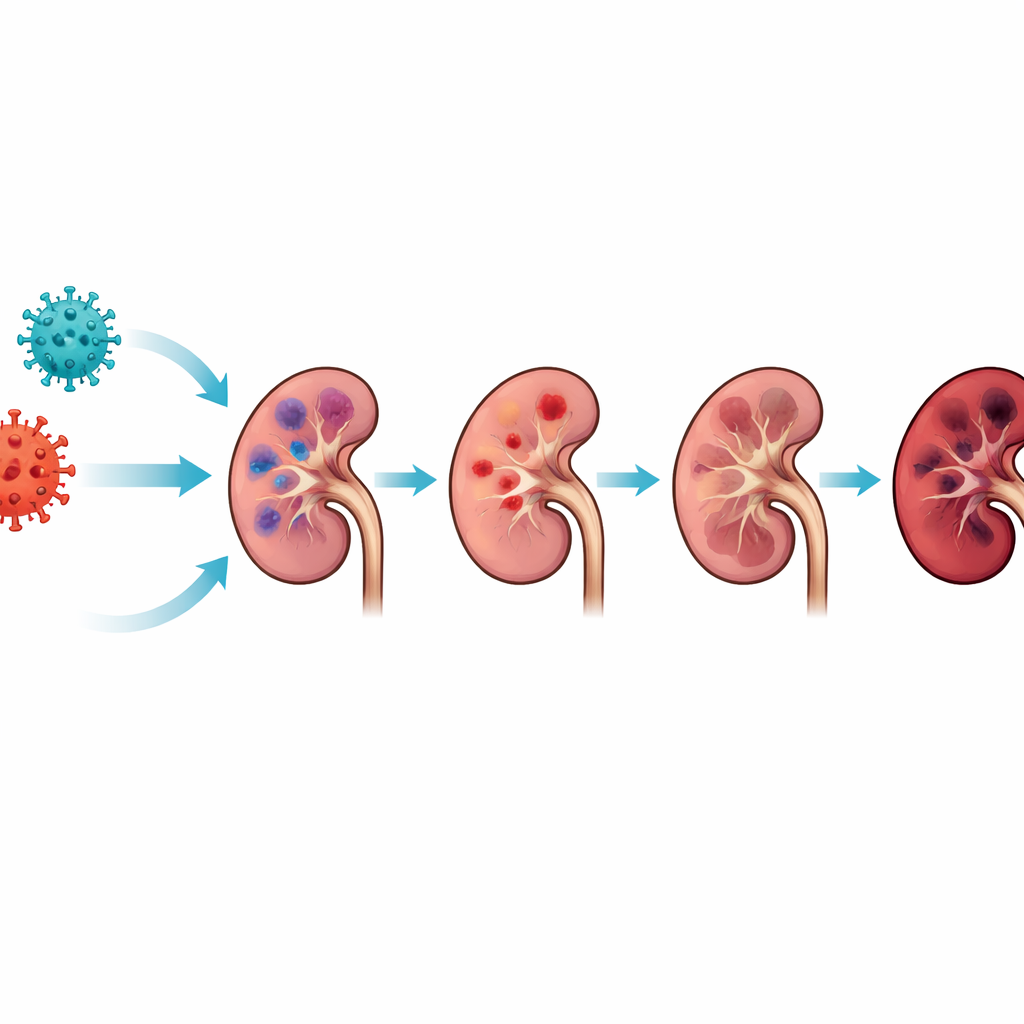
The timing of kidney problems differed between the two viruses. For sudden kidney injury, both infections had their strongest impact in the first six months, but COVID-19’s effect was far larger and remained elevated even as time passed. For chronic kidney disease, COVID-19 showed a steady, long-lasting impact across all follow-up periods, while influenza did not. These patterns held up in many additional checks the authors performed to rule out hidden biases, including repeating the analyses in people without major prior illnesses or without certain medications, and in those who remained enrolled for the full study period.
What this means going forward
To a layperson, the message is straightforward: COVID-19 is not just a stronger version of the flu. It appears to place a heavier and more enduring burden on the kidneys, raising the chances of both sudden and chronic damage long after the initial infection. The authors suggest that people who recover from COVID-19—especially those with other health problems—may benefit from closer monitoring of kidney function, such as periodic blood and urine tests. As health systems continue to grapple with the long-term fallout of the pandemic, protecting kidney health after COVID-19 could help prevent serious complications years down the line.
Citation: Zhang, Y., Ghahramani, N., Chinchilli, V.M. et al. The risk of kidney disease increases following SARS-CoV-2 infection compared to influenza. Commun Med 6, 189 (2026). https://doi.org/10.1038/s43856-026-01460-6
Keywords: COVID-19, kidney disease, acute kidney injury, chronic kidney disease, influenza comparison