Clear Sky Science · en
An interpretable machine learning model for predicting prognosis of medulloblastoma integrating genetic and clinical features
Why this study matters for families
For families facing medulloblastoma, a fast-growing brain tumor that mainly affects children, one of the hardest questions is, “What does the future look like for my child?” Today’s treatment plans rely on broad risk groups rather than the unique mix of medical history, tumor biology, and radiation treatments for each patient. This study shows how an interpretable machine learning approach can blend those details into clearer, more individualized predictions about long-term survival, potentially guiding safer and more effective care.
A closer look at a common childhood brain cancer
Medulloblastoma arises in the cerebellum and accounts for about one in five childhood brain tumors. Many children now live at least five years after diagnosis, but outcomes still vary widely, especially for those considered high risk. Standard treatment usually includes surgery followed by radiation to the brain and spine, often with chemotherapy. While these intensive treatments can save lives, they may also leave survivors with serious long-term problems, such as learning difficulties or neurological issues. Doctors therefore face a delicate balance: giving enough treatment to prevent the tumor from returning, but not so much that it severely harms quality of life.
Bringing many pieces of information together
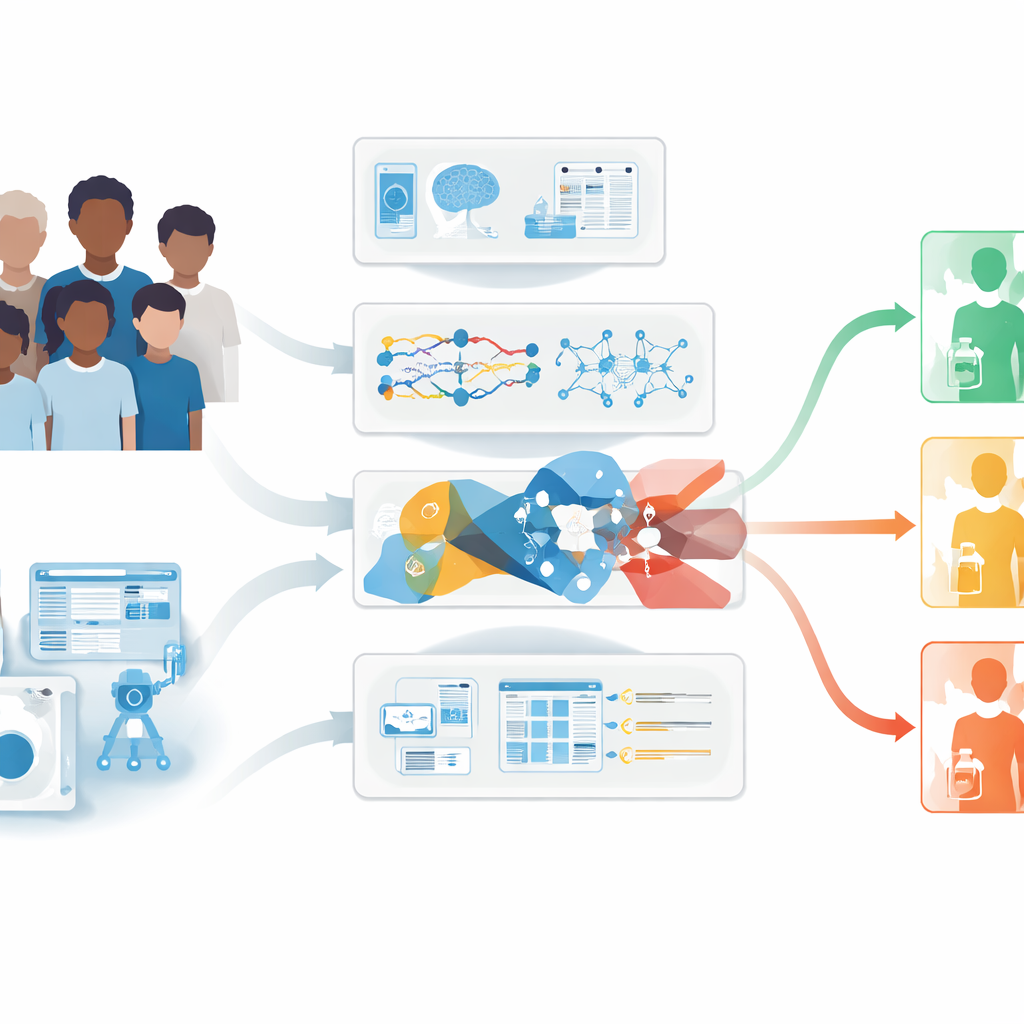
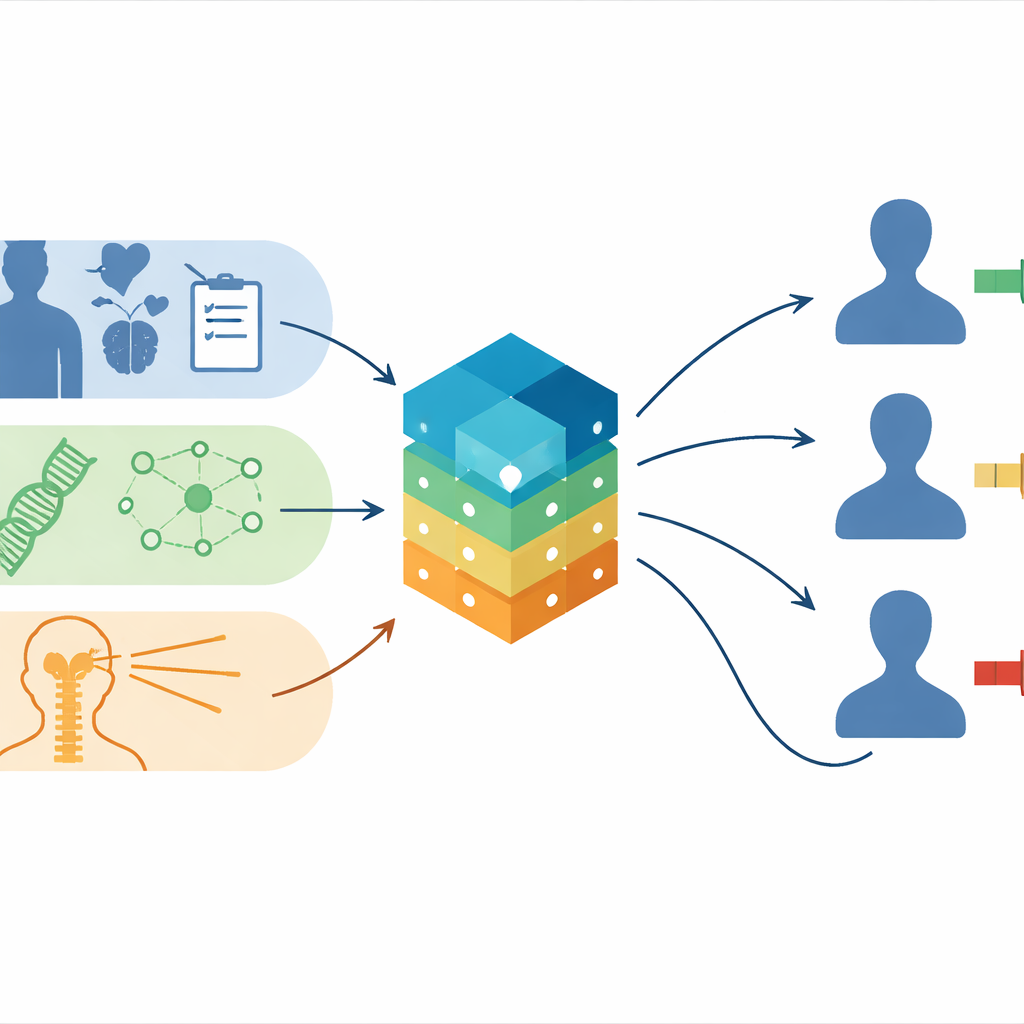
To improve prognostic tools, the researchers assembled one of the largest datasets yet for this disease. They collected detailed records from 729 people treated in Chinese centers between 2001 and 2023, plus 201 additional patients from international collaborations. For each patient they considered age, sex, tumor spread at diagnosis, microscopic tumor type, surgery results, radiation dose to the brain and spine, chemotherapy use, and key genetic features of the tumor, including activity of genes such as MYC, MYCN, OTX2, and GFI1. Because not all hospitals or patients can provide the same level of detail, the team built four versions of their model: one with clinical, molecular, and radiotherapy data; one with clinical and molecular data; one with clinical and radiotherapy data; and one that uses only basic clinical information.
How machine learning turns data into predictions
The team compared six different survival-analysis algorithms to see which best predicted how long patients would live after treatment. These methods included traditional statistical approaches as well as more modern machine learning techniques such as XGBoost and gradient boosting machines. They trained the models on part of the Chinese dataset and tested them on the remaining patients, then checked their performance again using the international cohort. Across the four data scenarios, XGBoost and gradient boosting models generally delivered the most reliable predictions of overall survival at one, three, five, and ten years, with good agreement between predicted and observed outcomes. Importantly, when molecular and radiation information were available, adding those details improved performance compared with relying on clinical data alone.
What matters most for outcome
Because “black box” predictions are difficult to trust in medicine, the researchers used a technique called SHAP to unpack how each factor influenced the model’s decisions. This analysis highlighted several variables as especially influential: whether the cancer had already spread through the brain or spine, the molecular subgroup of the tumor, and the activity of certain genes—particularly GFI1, MYC, and MYCN. High activity of some of these genes and the presence of metastases were linked with poorer survival. On the treatment side, higher radiation doses to the tumor bed at the back of the brain were associated with better outcomes, while combined radiation and chemotherapy also reduced risk in some groups. By showing which features push risk up or down for an individual, the system offers both doctors and families a more transparent view of why a given prediction is made.
Turning complex models into practical tools
To move beyond theory, the authors built interactive web applications based on their best-performing models. Clinicians can enter information such as patient age, tumor spread, molecular subgroup, radiation dose, and gene activity where available. The applications then display personalized survival curves over time and show which factors contribute most strongly to the forecast for that patient. For situations where molecular or dose data are missing—common in resource-limited settings—simpler versions of the model can still provide useful guidance, ensuring that the approach remains inclusive.
What this means for patients and care teams
In essence, this work suggests that carefully designed, interpretable machine learning tools can help predict how children with medulloblastoma are likely to fare, using a richer picture of their disease than has been typical. While the models do not replace clinical judgment and still need refinement—especially for predicting tumor recurrence—they offer a way to tailor discussions about risk, adjust radiation plans more confidently, and design follow-up care that better fits each child’s situation. For families, that could mean more personalized decisions and a clearer sense of the road ahead.
Citation: Su, Y., Deng, K., Chen, X. et al. An interpretable machine learning model for predicting prognosis of medulloblastoma integrating genetic and clinical features. Commun Med 6, 134 (2026). https://doi.org/10.1038/s43856-026-01454-4
Keywords: medulloblastoma, pediatric brain tumors, machine learning prognosis, radiotherapy dose, tumor genetics