Clear Sky Science · en
Acute biological age as a determinant of adverse outcomes requiring hospitalization in Danish emergency department patients
Why some people age faster in the emergency room
Two people can be the same age in years yet react very differently to a sudden illness. One bounces back quickly; the other needs days in the hospital or even intensive care. This study asks whether a hidden "acute" age, based on how the body looks in blood tests during an emergency, can better predict who is truly at risk than age in years alone. Using routine hospital data and a computer model, the researchers tested whether this biological snapshot helps doctors decide who needs close monitoring and who may safely avoid a hospital stay.
Looking beyond birthdays to real-time body age
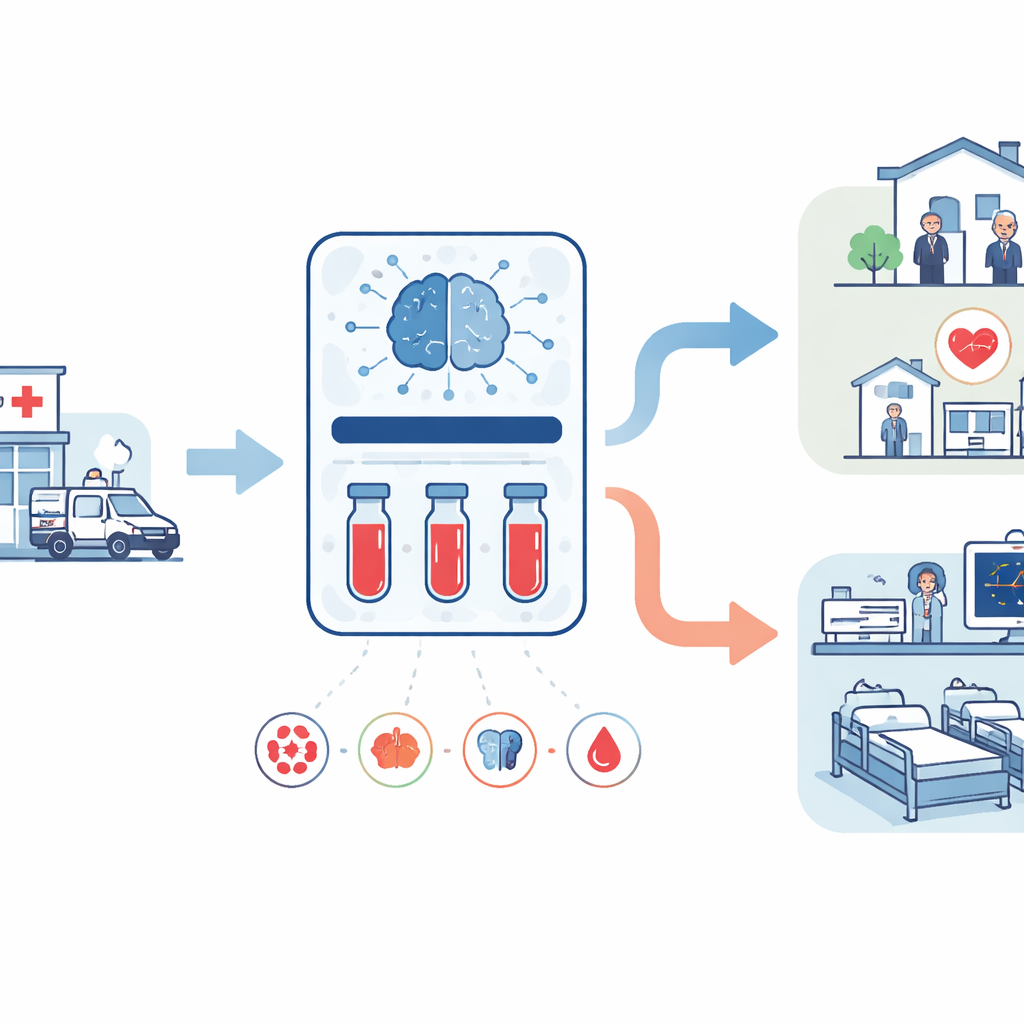
Emergency departments must make fast decisions about who to admit, who needs aggressive treatment, and who can go home. Traditionally, chronological age plays a big role in these choices, even though it often fails to reflect differences in overall health. The team behind this work built on earlier machine-learning models that estimate a patient’s chance of dying within 30 days using 15 common blood biomarkers, sex, and age. They converted each person’s predicted 30-day death risk into an equivalent "Acute Biological Age"—the age at which an average emergency patient would have the same short-term risk. They also calculated "Acute Difference in Age," which captures whether a person is biologically older or younger than expected for their real age.
Following thousands of patients through the hospital
The study used data from over 6,000 adults admitted through a Danish emergency department during a four-month period. Everyone had standard blood tests taken at arrival, and their later hospital course was tracked. The researchers focused on 20 predefined events that clearly signaled a true need for in-hospital care. These included repeated intravenous treatments, surgery, non-invasive breathing support, admission to intermediate or intensive care units, and hospital stays longer than three days. For detailed analysis, they zoomed in on nine key events, such as prolonged intravenous antibiotics, other intravenous therapies, and intensive care admissions.
Acute biological age and the risk of serious care
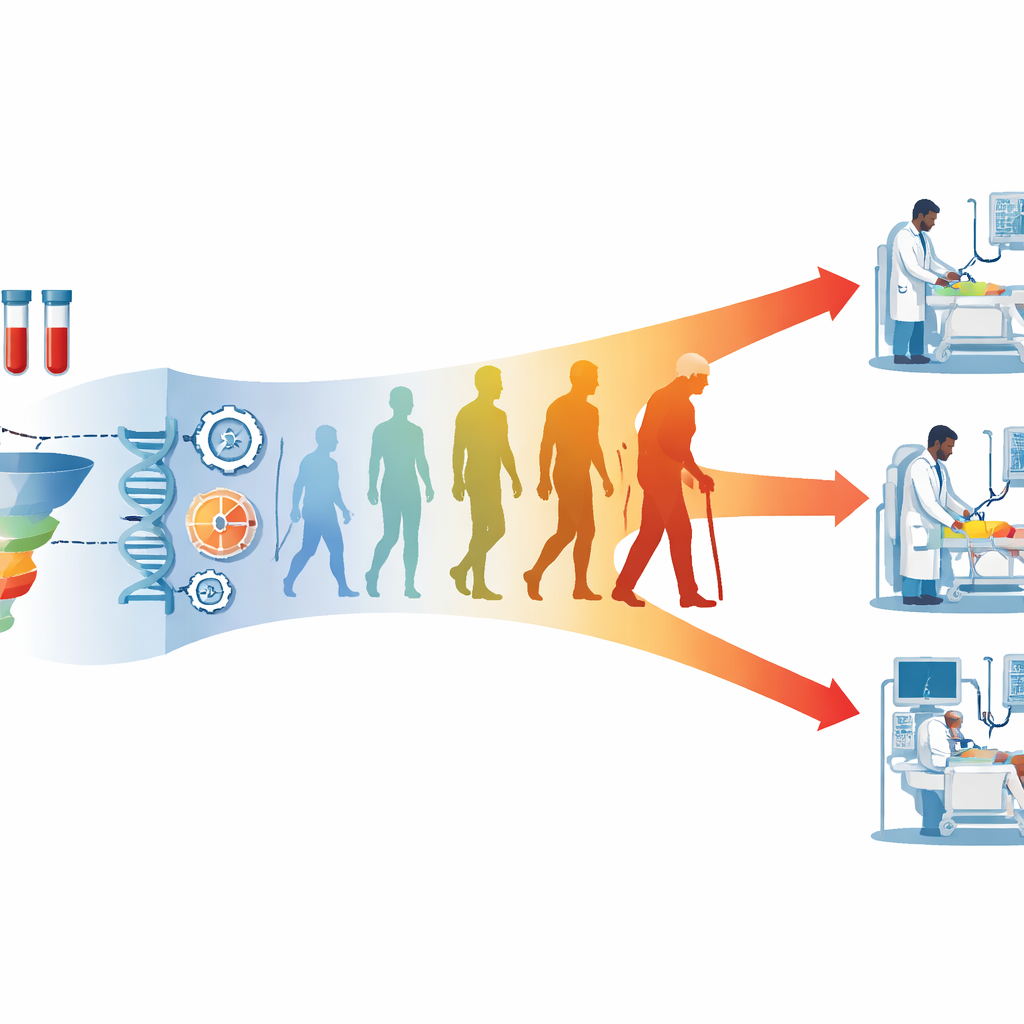
When the team grouped patients by their machine-learning risk score, they found a clear pattern: people in the highest third of risk were far more likely to need hospital-based treatment, extended stays, or care in intensive units than those in the lowest third. Turning these risk scores into Acute Biological Age made the results easier to interpret. Each extra year of Acute Biological Age increased the odds of needing in-hospital treatment, including intravenous drugs, surgery, intensive care, or a stay longer than three days. In practical terms, a patient who looks, in biological terms, a decade older than their actual age faces meaningfully higher odds of serious interventions during and shortly after their emergency visit.
Being biologically younger can be protective
The Acute Difference in Age measure sharpened this picture. By stripping away the effect of age in years, it highlighted who was unusually robust or unusually vulnerable for their age group. Patients whose acute biological age was higher than expected were more likely to need intensive care, repeated intravenous treatments, or long hospital stays. Those who appeared biologically younger than their chronological age were less likely to require hospital-based treatment at all. Unlike the raw risk score, which showed some non-linear behavior at very high risk levels, the age-difference measure rose more steadily with worsening outcomes, suggesting it may be particularly useful for triage.
What this means for patients and hospitals
The study shows that a simple transformation of routine blood tests into an acute biological age can help flag which emergency patients are truly fragile, independent of how many birthdays they have had. People whose bodies look older than their years at the time of an emergency are more likely to need strong hospital support; those whose bodies look younger may safely avoid unnecessary admission. If validated in other hospitals and refined over time, this approach could help emergency doctors match resources to patients more precisely—potentially improving outcomes, avoiding overcrowding, and offering care that better reflects each person’s real-time health rather than just their date of birth.
Citation: Jawad, B.N., Holm, N.N., Tavenier, J. et al. Acute biological age as a determinant of adverse outcomes requiring hospitalization in Danish emergency department patients. Commun Med 6, 156 (2026). https://doi.org/10.1038/s43856-026-01428-6
Keywords: biological age, emergency medicine, machine learning, hospitalization risk, blood biomarkers