Clear Sky Science · en
Cross-sectional survey among professionals on communication and mental health care for asylum seeking and refugee minors in Germany
Why This Study Matters for Children on the Move
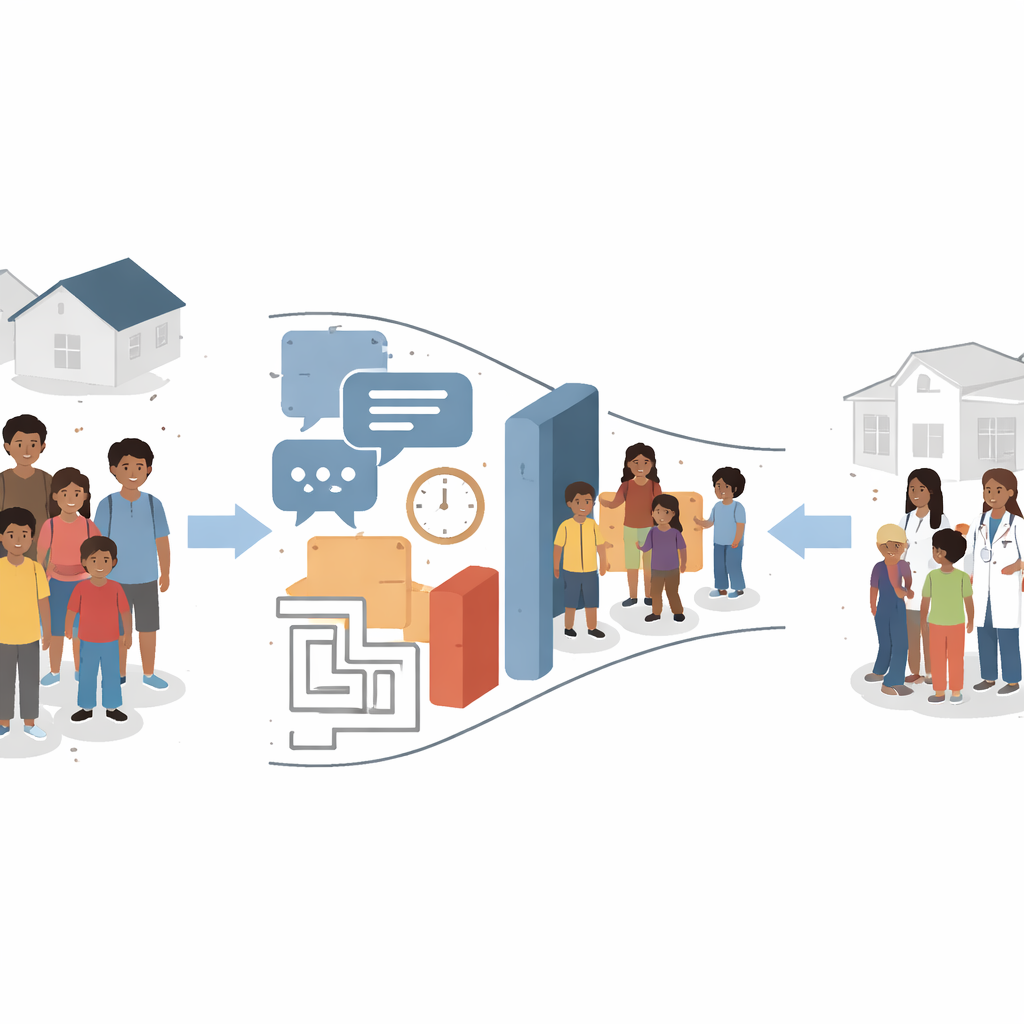
Across the world, more children than ever are fleeing war, persecution, and hardship. Germany now receives hundreds of thousands of these young newcomers each year. Their journeys and uncertain futures place a heavy strain on their minds as well as their bodies. This article looks at how well Germany’s health and social services are spotting and treating mental health problems in asylum-seeking and refugee minors—and how simple issues like not sharing a language can stand between a child and the help they urgently need.
Who Was Asked and What They See Every Day
The research team carried out an online survey called SAVE-KID among 201 professionals who regularly work with asylum-seeking and refugee children and teenagers in Germany. These included pediatricians, other doctors, social workers, and staff in shelters, clinics, and public offices. Together, they reported about 13,000 recent contacts with young people who had arrived in Germany within the last two years. Because these professionals meet children in many different settings—from shared housing to doctor’s offices—the survey offers a broad snapshot of how mental health problems show up in everyday practice rather than under ideal research conditions.
How Common Mental Strain Is—and Who Gets Help
Across all contacts, the respondents estimated that just over one in five of these minors showed clear signs of mental health problems. Commonly observed issues included poor concentration, restlessness, tiredness, and sleep difficulties. Worrying thoughts, sadness, and recurring pain were also frequent, while open aggression or drug and alcohol use were reported less often. Yet even when problems were noticed, only about a third of affected children and adolescents were able to access follow-up care such as further assessment, counseling, or therapy. Professionals working in settings that used any kind of mental health screening—however irregular—tended to identify more distressed children and arrange help slightly more often, suggesting that structured checks can make a real difference.
Why Problems Go Unseen and Untreated
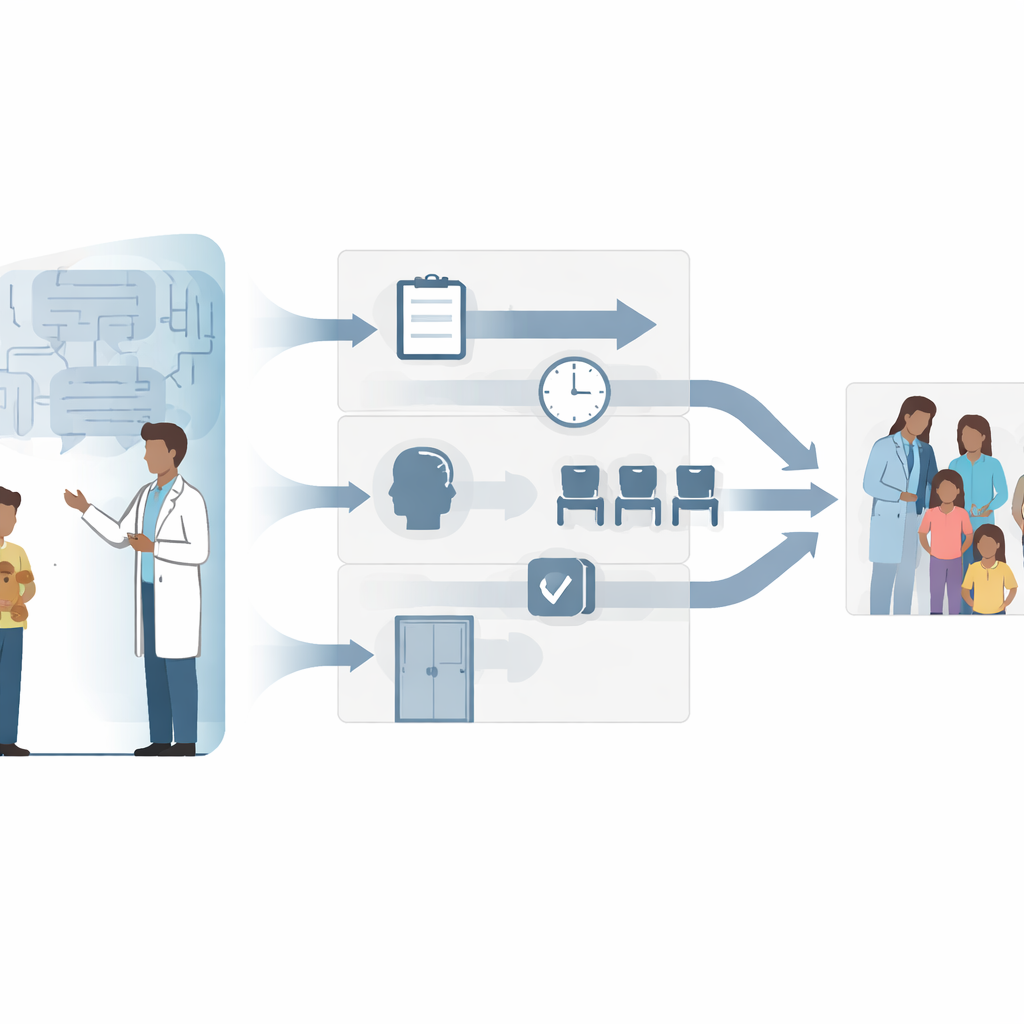
The study highlights several reasons why mental health needs slip through the cracks. Fewer than a quarter of participants said their workplace used regular, structured mental health screening, and over half said that findings were only occasionally written down. Many professionals reported a chronic lack of time, specialist staff, and clear pathways for what to do when a problem is suspected. Waiting lists for child and youth mental health services are long even for German-speaking families. For refugee children, these general shortages are made worse by hurdles such as complicated payment rules and clinics that are reluctant to work with interpreters or with families who do not speak German.
When Language Becomes a Wall
Communication barriers emerged as one of the strongest themes. Most respondents said they frequently struggled to understand the children and families they were trying to help, and over four out of five felt that these difficulties directly harmed the quality of care. Because professional interpreters are often unavailable or not covered financially, staff commonly fall back on online translation tools or family members, including other children, to translate. While these workarounds are quick and cheap, they are far from ideal when discussing sensitive topics like trauma, fear, or self-harm. Professionals also described feeling overwhelmed and undertrained in how to handle mental health concerns in a cross-cultural setting, which further reduces the chances that children will receive thorough support.
What Needs to Change for These Children
In plain terms, the study shows a mismatch between how many asylum-seeking and refugee minors are struggling and how few receive proper mental health care. The authors argue that Germany needs simple, reliable ways to check all newly arrived children for emotional and behavioral problems, along with clear routes to follow-up services. This would require more trained staff, better access to interpreters, and more stable local projects that link medical, psychological, and social support. Until such structures are in place, many of the most vulnerable children in the country will continue to carry invisible burdens that could have been eased with timely, culturally sensitive help.
Citation: Esser, A.J., Willems, J., Klein, M. et al. Cross-sectional survey among professionals on communication and mental health care for asylum seeking and refugee minors in Germany. Commun Med 6, 137 (2026). https://doi.org/10.1038/s43856-026-01415-x
Keywords: refugee children, mental health care, asylum seekers, Germany, health communication