Clear Sky Science · en
Short-term hormonal modulation with mifepristone does not induce oncogenic changes in the endometrium of BRCA1/2 pathogenic variant carriers
Why this matters for women at high cancer risk
Women who inherit harmful changes in the BRCA1 or BRCA2 genes face a much higher chance of developing breast cancer, and many also worry about cancers of the womb. Medicines that block the hormone progesterone, such as mifepristone, are being explored as a way to lower breast cancer risk in these women. But doctors need to know: does briefly taking such a drug quietly harm the lining of the womb, possibly raising the risk of womb cancer later on? This study takes a close molecular look at that question.
A closer look at hormones and the womb
The inner lining of the womb, the endometrium, grows and sheds every month under the influence of two key hormones: estrogen, which encourages cells to grow, and progesterone, which reins that growth in and helps cells mature. When estrogen’s push is not balanced by progesterone’s restraint, the lining can thicken too much and, over time, become prone to cancer. Because mifepristone blocks progesterone’s action, there has been concern that using it in women who already have a genetic weakness in DNA repair, like BRCA1/2 carriers, might allow estrogen to act unchecked and quietly nudge cells toward cancer.
How the trial was set up
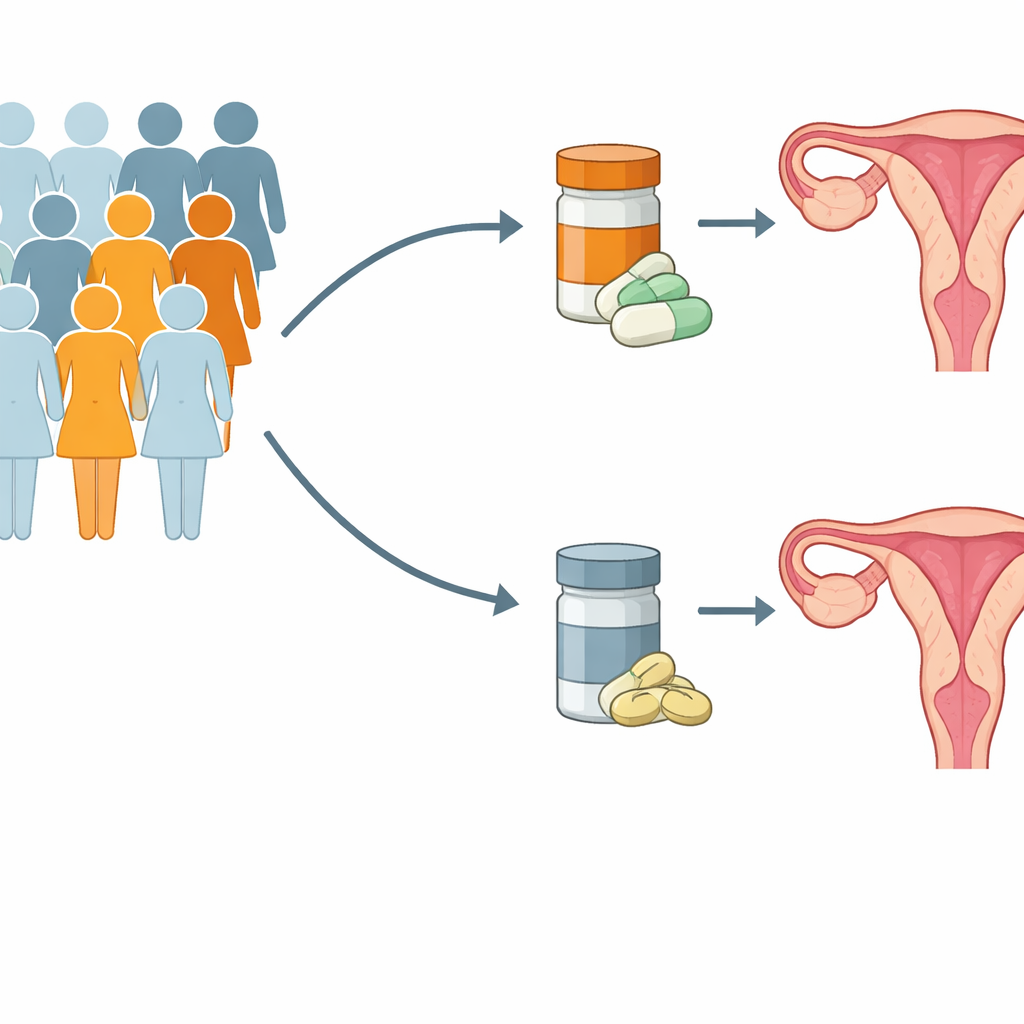
To explore this, researchers in Sweden enrolled premenopausal women who carried BRCA1 or BRCA2 mutations but did not yet have cancer. In an earlier part of the trial, 45 women were randomly assigned to take either mifepristone or vitamin B tablets that looked the same, every other day for three months. For this analysis, the team focused on 14 women who provided womb lining samples both before and after treatment. They compared the mifepristone group with the vitamin group and also looked at each woman’s own tissue over time, using cutting-edge methods to examine which cell types were present and what was happening to their DNA and gene activity.
What happened to the womb lining
All women who took mifepristone stopped having periods during the three-month course, a known effect of the drug. Ultrasound scans showed that the overall thickness of the womb lining did not increase more in the mifepristone group than in the vitamin group. When the researchers estimated the mix of cells using DNA patterns, they saw a slight, non-significant drop in the proportion of surface cells—the ones most likely to give rise to cancer—and a significant rise in supporting cells called fibroblasts. This suggests the tissue may have become somewhat more fibrous rather than more densely packed with potentially risky surface cells. Importantly, immune cells in the tissue did not shift in a way that would hint at inflammation or early disease.
Probing for hidden cancer-like signals
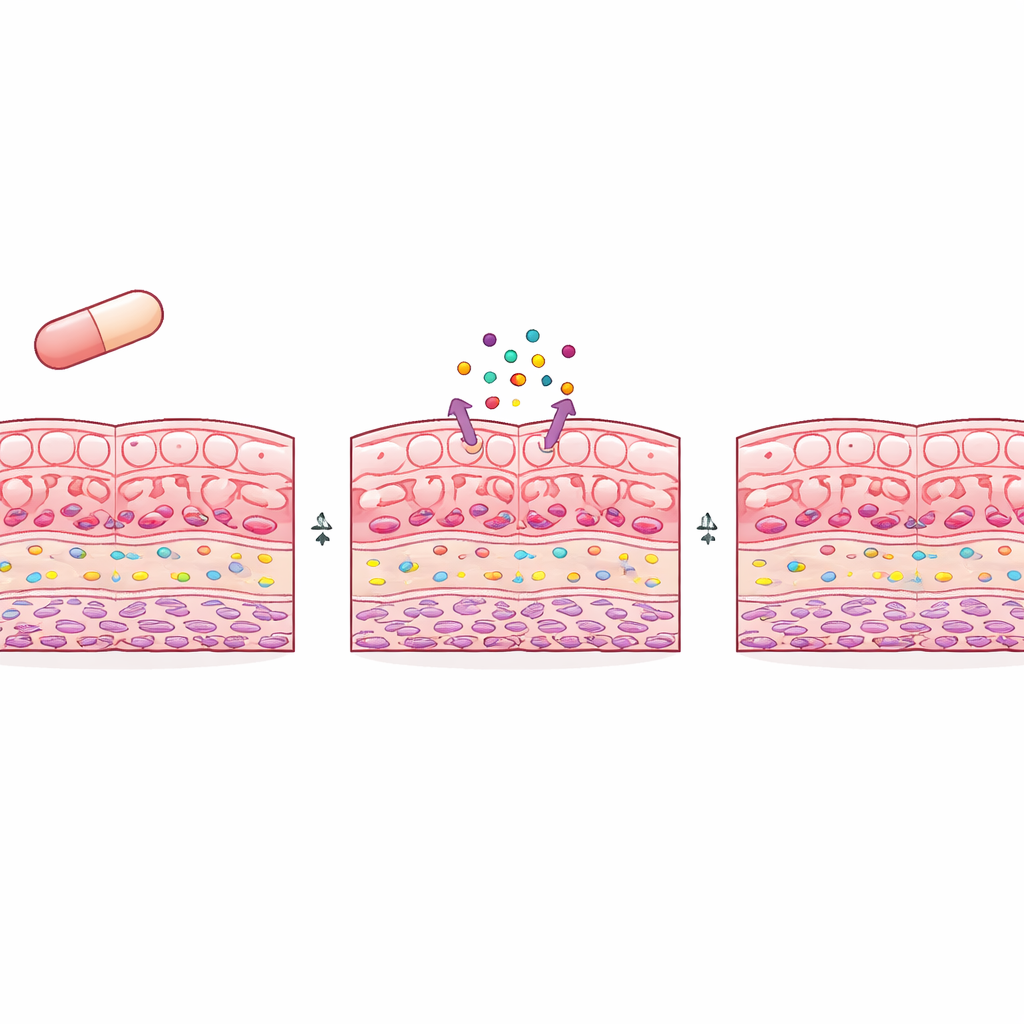
To see whether subtle, invisible damage was occurring, the team built two sensitive “indexes” using large public cancer datasets. One index used chemical tags on DNA, known as methylation, and the other used patterns of gene activity; both were tuned to distinguish healthy womb lining from endometrial cancer with very high accuracy. When these indexes were applied to the women’s biopsy samples, scores after mifepristone did not move in a direction that would suggest a shift toward cancer. A small drop in one DNA-based score disappeared after accounting for age and the increased fibroblast content. Likewise, when the scientists checked groups of genes involved in classic womb cancer pathways, they found no sign that these pathways were switched on by the drug.
What this means going forward
Taken together, the clinical findings and deep molecular readouts point in the same reassuring direction: three months of mifepristone in women with BRCA1/2 mutations halted menstruation but did not spur the womb lining to grow dangerously or take on cancer-like molecular features. The changes seen were more consistent with harmless tissue remodeling than with early tumor development. For women and clinicians considering progesterone-blocking drugs as a way to prevent breast cancer, these data support the short-term safety of the womb. However, the study was small and brief, so longer and larger studies will be needed before anyone can be confident about the effects of years-long use.
Citation: Widschwendter, M., Herzog, C., Rasul, M.F. et al. Short-term hormonal modulation with mifepristone does not induce oncogenic changes in the endometrium of BRCA1/2 pathogenic variant carriers. Commun Med 6, 150 (2026). https://doi.org/10.1038/s43856-026-01412-0
Keywords: mifepristone, BRCA mutations, endometrial cancer, hormonal prevention, progesterone blockers