Clear Sky Science · en
The Nugent score is an inappropriate diagnostic tool for neovaginal bacteria in transfeminine people
Why this matters for everyday health care
As more transfeminine people undergo gender‑affirming vaginoplasty, they and their clinicians often must manage symptoms like pain, discharge, or odor without tools designed for the unique biology of the neovagina. This study asks a simple but crucial question: can we safely reuse a long‑standing test from cisgender women’s gynecology—the Nugent score—to judge bacterial balance and guide treatment in neovaginas, or does doing so risk misdiagnosis and unnecessary antibiotics?
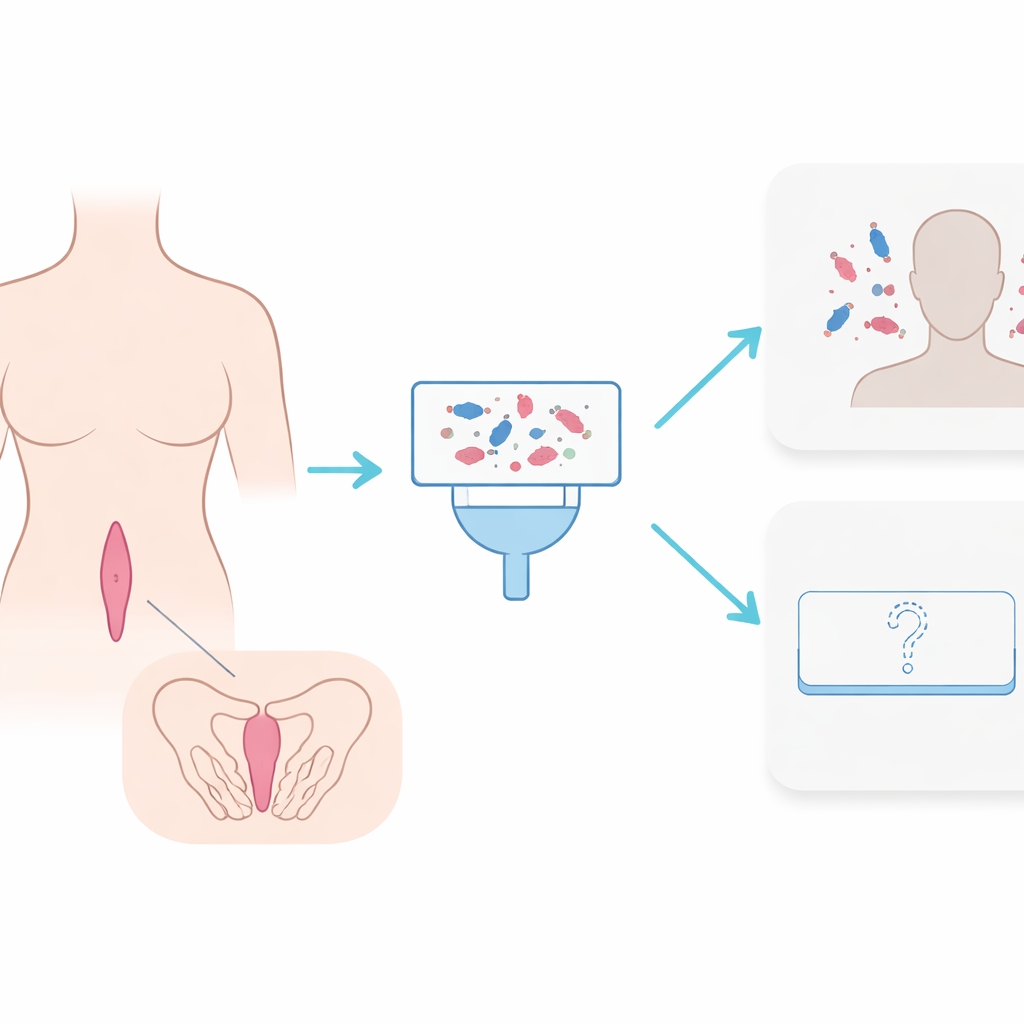
A common test used in an uncommon way
In cisgender women, one major cause of vaginal discomfort is bacterial vaginosis, a shift from protective bacteria to a more mixed community linked to infections and poor reproductive outcomes. Laboratories often diagnose it using the Nugent score, which looks at stained vaginal smears under a microscope and grades the relative numbers of three broad bacterial shapes. Low scores are considered healthy; high scores suggest imbalance. Although this scoring system was never designed for surgically created vaginas, many clinics still apply it to transfeminine patients by default when they present with symptoms.
A closer look at neovaginal bacteria
To test whether that practice makes sense, the researchers analyzed samples from 39 transfeminine participants in Canada who had undergone penile inversion vaginoplasty at least a year earlier. Participants self‑collected neovaginal swabs at home, which were used for three linked measurements: traditional Nugent scoring under a microscope, high‑throughput DNA sequencing to identify which bacteria were actually present, and a panel of inflammation‑related immune signals called cytokines. The team also collected data on recent symptoms such as malodor, discharge, bleeding, and pain or burning.
When high scores do not mean the same thing
On paper, most neovaginal smears looked highly “abnormal” by Nugent standards: over 70 percent fell in the range that, in cisgender women, would be interpreted as bacterial vaginosis. Yet the bacteria that the Nugent score was designed around—Lactobacillus, Gardnerella, and Mobiluncus—were generally rare in these samples. Instead, the slides were dominated by other kinds of rods and cocci that happen to resemble the classic shapes but belong to very different species. Some of these, such as Lawsonella and certain cocci, were actually linked to higher inflammatory cytokines, while others were associated with lower inflammation. Because the Nugent system lumps many of these together or ignores them altogether, a single score could not distinguish between more and less inflammatory neovaginal communities.
Symptoms and inflammation tell a different story
The team then asked whether Nugent scores tracked what patients felt or what their immune systems were doing. They found no meaningful difference in scores between people with and without recent symptoms, and no relationship between scores and levels of multiple cytokines that are well‑known markers of genital inflammation in other settings. Two participants, for example, both had the same mid‑range Nugent score even though one had high levels of inflammatory signals and the other had low levels. In short, the scoring system failed on both fronts: it neither identified the bacteria most tied to neovaginal inflammation nor predicted who was actually experiencing discomfort.
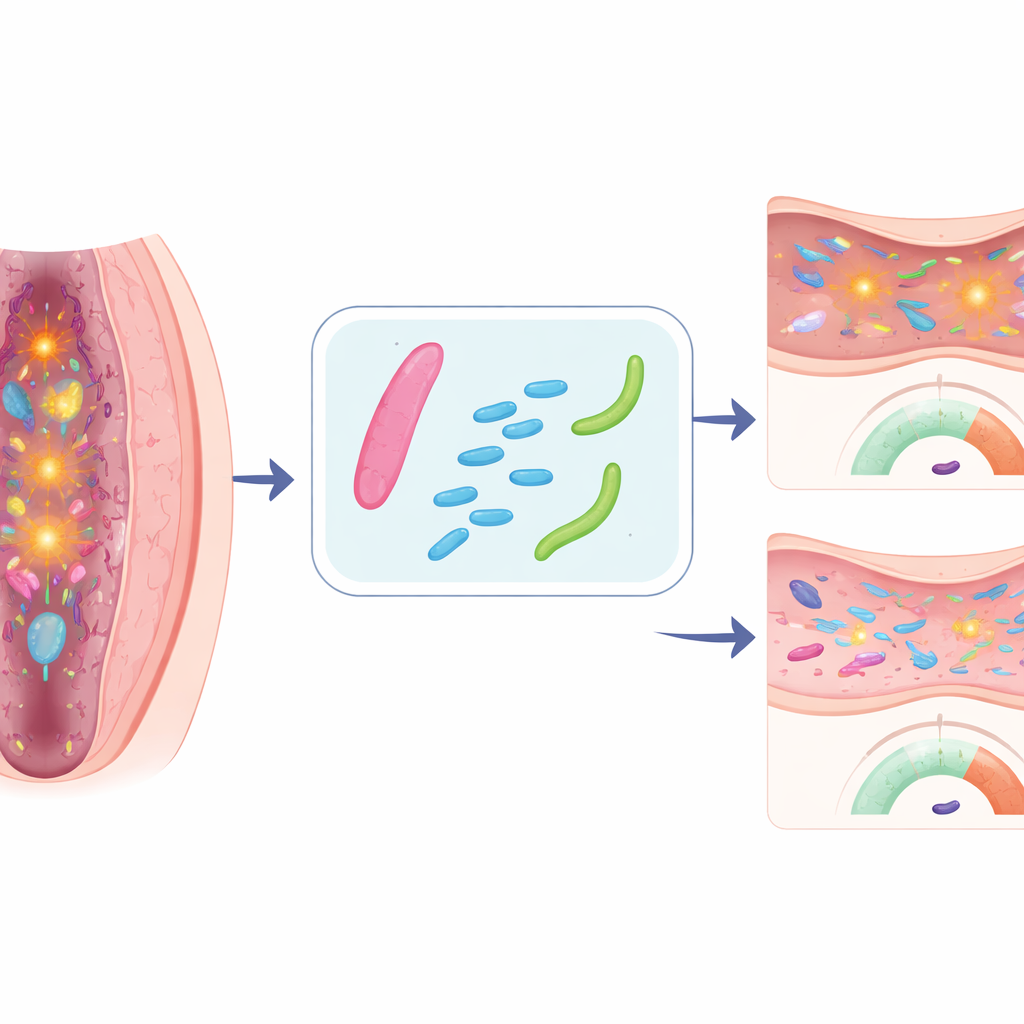
Why one size does not fit all
These findings highlight that neovaginas created from penile skin are biologically distinct from the vaginas people are born with. The lining tissue, its chemical environment, and its resident bacteria differ in fundamental ways, so tools built around cisgender women’s microbiology do not automatically transfer. Relying on the Nugent score in this context could lead clinicians to label most transfeminine patients as having bacterial vaginosis, prescribe broad antibiotics like metronidazole, and encourage the use of products or probiotics aimed at “restoring” Lactobacillus, even when those interventions are unlikely to help and may disturb a stable, if different, microbial community.
A new path toward tailored diagnostics
The authors conclude that the Nugent score is not an appropriate way to judge bacterial balance or health in neovaginas after penile inversion vaginoplasty. Because high scores no longer signal the same biological reality, using this test risks misdiagnosis and unnecessary treatment. Instead, the study argues for developing dedicated, evidence‑based diagnostic tools built around the actual bacteria and immune patterns found in neovaginas. Such tools would better support transfeminine people and their clinicians in understanding, preventing, and treating neovaginal symptoms without importing assumptions from a different anatomy.
Citation: Parmar, R., Monari, B., Potter, E. et al. The Nugent score is an inappropriate diagnostic tool for neovaginal bacteria in transfeminine people. Commun Med 6, 136 (2026). https://doi.org/10.1038/s43856-026-01410-2
Keywords: neovaginal microbiome, transfeminine health, bacterial vaginosis testing, Nugent score limitations, gender-affirming surgery