Clear Sky Science · en
HIV persistence in tissues on dolutegravir-based therapy is not associated with resistance mutations to dolutegravir
Why this hidden virus story matters
HIV treatment today is so effective that many people living with the virus have no detectable virus in their blood for years. Yet they still need to take daily medication, because HIV can hide deep inside the body. This study asks a key question for both patients and doctors: as HIV lies low in tissues during modern treatment that includes the powerful drug dolutegravir, is it quietly evolving drug resistance that could one day cause therapies to fail?
Searching the body’s hiding places
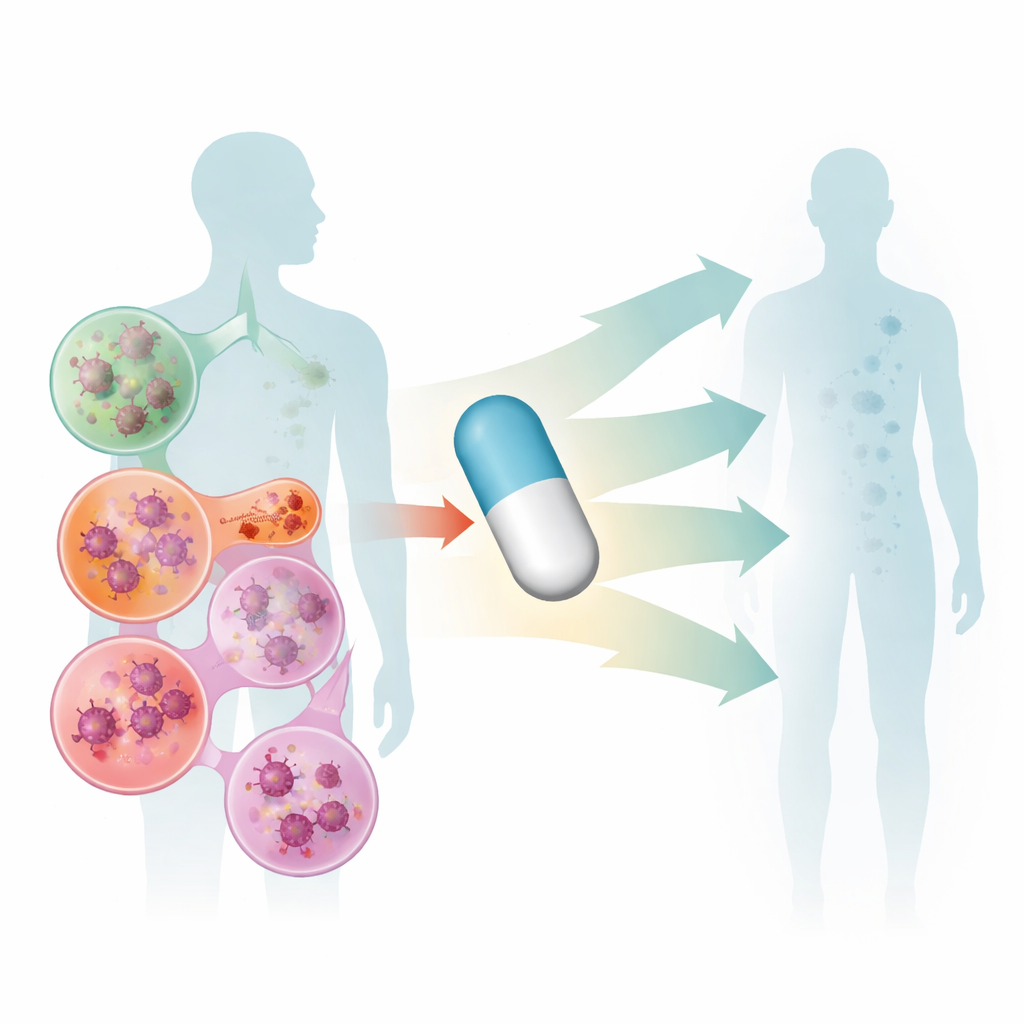
To tackle this question, researchers in France conducted an in-depth look at where HIV lingers in men whose blood virus levels had been fully suppressed for several years on dolutegravir-based treatment. They collected samples from five accessible body sites during a short hospital stay: blood, lymph nodes in the groin, rectal tissue from the lower gut, a small amount of under‑the‑skin fat, and semen. In each location they measured how many cells carried HIV’s genetic material and how actively those viral genes were being read inside cells. They also sequenced the virus’s DNA to look for mutations known to cause resistance to HIV drugs.
Where the virus still hangs on
The team found that HIV’s genetic material was still present in most tissues they examined, even though standard blood tests showed no free virus. Lymph nodes—organs packed with immune cells—contained the highest levels of infected cells, followed by the rectum, blood, and fat tissue. In semen, viral DNA was essentially absent, detected in only one of 19 men, and even there at a low level. When they looked at viral gene activity rather than just presence, they again saw signals in blood, lymph nodes, and rectum. Lymph nodes showed the strongest ongoing activity, suggesting they are a particularly important refuge where HIV can continue to "whisper" even under strong therapy.
Clues that most active virus is broken
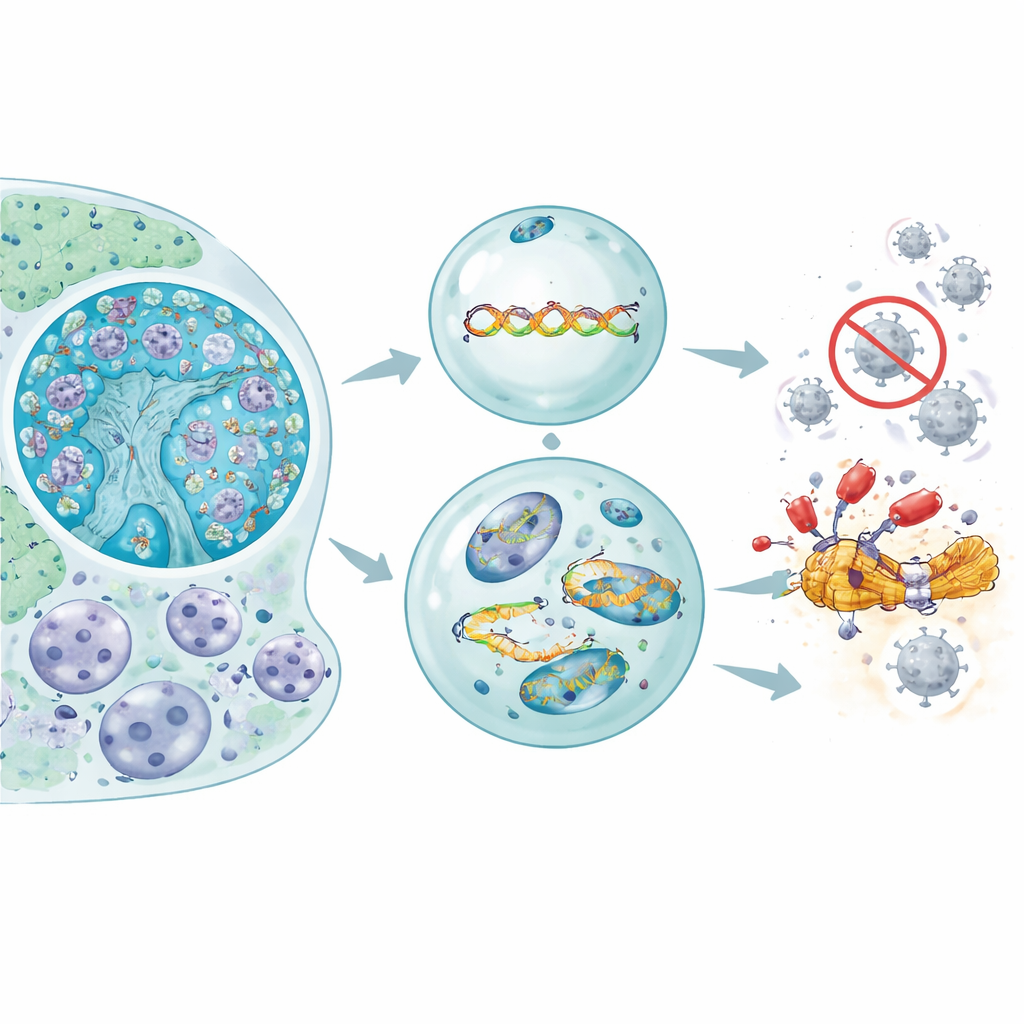
Having established that HIV was present and sometimes active, the scientists then asked whether this activity pointed to dangerous, fully functional virus or mostly to broken remnants. In blood, they used a specialized test that distinguishes intact copies of the virus from defective ones that are missing key pieces. They found far more defective than intact viral genomes. Importantly, the amount of viral gene activity in blood was linked to the number of defective copies, not to intact ones. This pattern suggests that much of the HIV genetic noise seen during successful treatment comes from damaged viral DNA that cannot produce new infectious virus, even though it can still be read by the cell’s machinery.
Checking for drug-resistant mutants
A central concern is whether low drug levels in some tissues allow the virus to evolve resistance. The researchers sequenced parts of the viral genome that encode the targets of dolutegravir and companion drugs, looking across blood, lymph nodes, rectum, and fat. In most participants, they found no resistance mutations at all. In six men, they did detect some changes linked to resistance, including two well‑known mutations that can reduce the effectiveness of dolutegravir. However, detailed analysis showed that these particular mutations sat within viral genomes that were riddled with other errors—likely caused by the body’s own antiviral enzymes—leaving them defective. Other detected mutations were either inherited from past infection or, on their own, do not meaningfully weaken the current treatment regimen.
What this means for people on treatment
Taken together, the results paint a reassuring picture. Even though HIV’s genetic material persists in tissues and some viral genes remain active, this study found no evidence that dolutegravir-based therapy is quietly fostering fully functional, drug‑resistant virus in these hidden sites. Instead, most of the detectable activity seems to come from broken viral sequences that cannot restart the infection on their own. For people living with HIV who take their medication as prescribed, this supports the idea that modern combinations including dolutegravir keep the virus in check not only in the blood, but also in deeper tissues, without encouraging the kind of resistance that would undermine treatment.
Citation: Mchantaf, G., Melard, A., Da Silva, K. et al. HIV persistence in tissues on dolutegravir-based therapy is not associated with resistance mutations to dolutegravir. Commun Med 6, 130 (2026). https://doi.org/10.1038/s43856-026-01405-z
Keywords: HIV reservoirs, dolutegravir, drug resistance, lymph nodes, antiretroviral therapy