Clear Sky Science · en
Distinct prophage infections in colorectal cancer-associated Bacteroides fragilis
Hidden Partners in the Gut
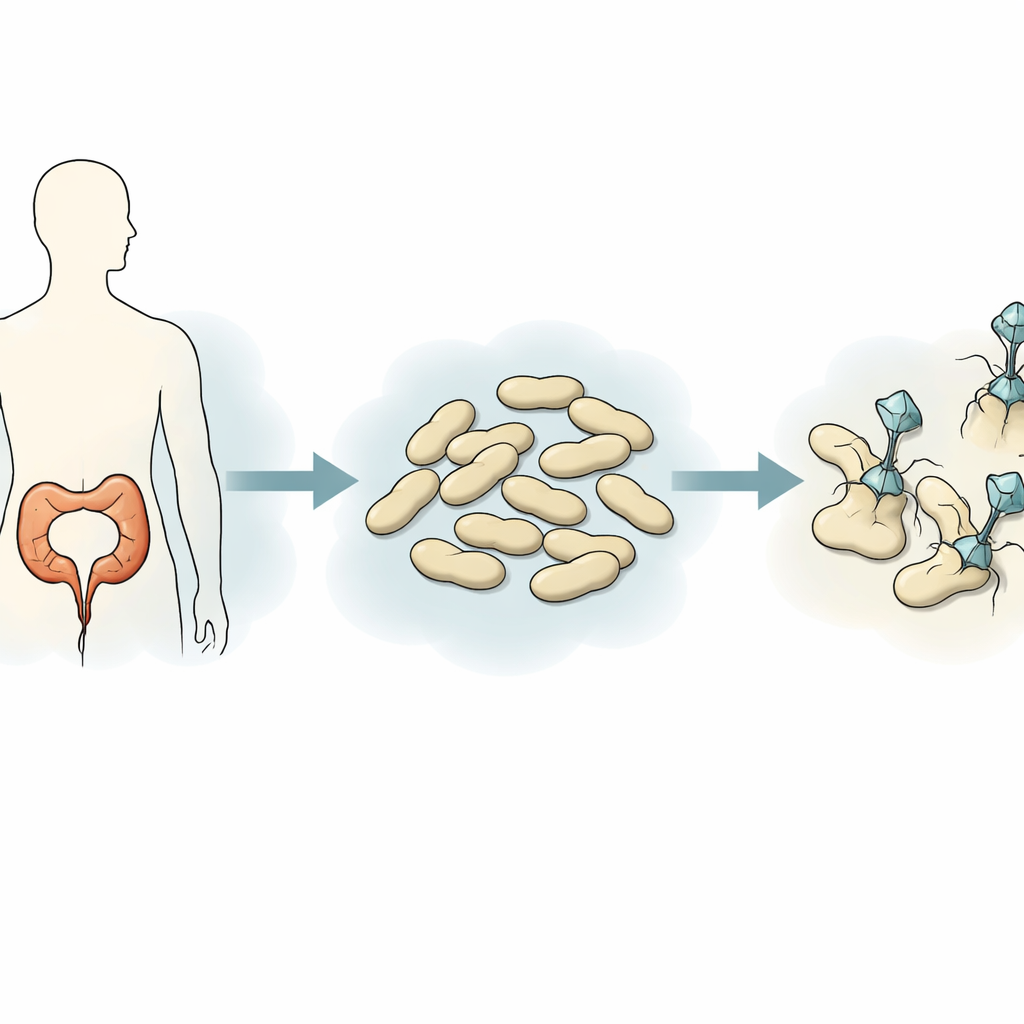
Colorectal cancer is one of the world’s deadliest cancers, and scientists have long suspected that the trillions of microbes in our intestines help shape who develops the disease. Yet one key player, a common gut bacterium called Bacteroides fragilis, appears in both sick and healthy people, posing a puzzle: why does it seem dangerous in some bodies but harmless in others? This study digs beneath the surface and reveals that the answer may lie in an unexpected partnership between these bacteria and viruses that live inside them.
A Common Bacterium with a Double Life
Bacteroides fragilis is usually considered a friendly resident of the human gut and is found in most healthy people. At the same time, many studies have linked it to colorectal cancer, suggesting it can also act as a “driver” that helps tumors grow. Because the simple presence of this species could not explain cancer risk, the researchers asked a more subtle question: are there special versions of B. fragilis, carrying extra genetic cargo, that are more often found in people with colorectal cancer than in others?
Looking Deep into Bacterial Genomes
To explore this, the team first examined B. fragilis taken from the blood of hospital patients who had serious infections. A small group of these patients were diagnosed with colorectal cancer soon after their infection, while others were cancer-free for at least five years. By sequencing the entire DNA content of 48 bacterial isolates, the scientists built a “pangenome” map that shows which genes are shared across all strains and which are optional add-ons. They found that B. fragilis is remarkably diverse: only about half of each genome is made up of shared, core genes, while the rest are accessory genes that differ from strain to strain.
Viruses Hiding Inside the Bacteria
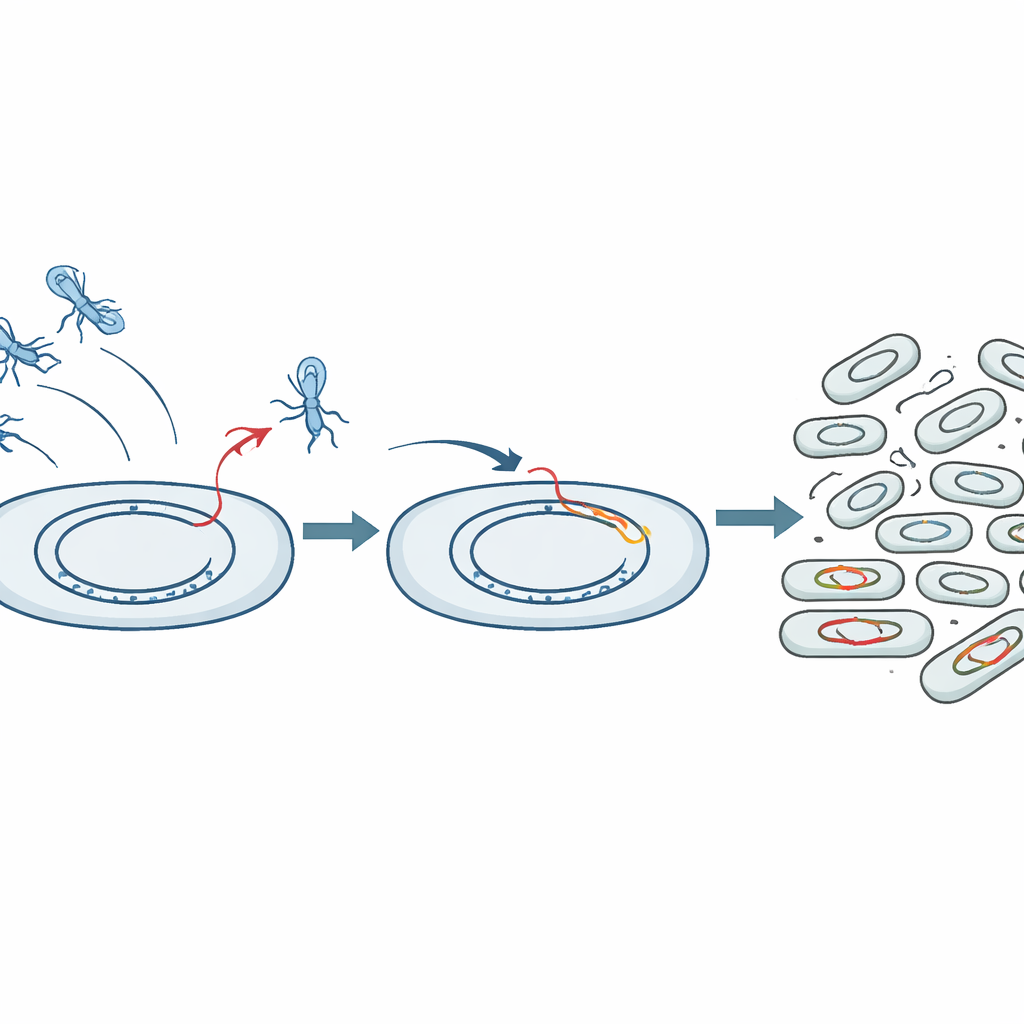
When the team searched for genetic differences linked to cancer, they discovered that the cancer-associated B. fragilis strains were not forming a special family on the bacterial family tree. Instead, what set them apart was a collection of accessory genes that turned out to belong to viruses, called phages, that had inserted themselves into the bacterial DNA. These dormant “prophages” came in two previously unknown groups, named Bacteroides phage FU and Bacteroides phage ODE. Both groups belong to a broader class of tail-bearing viruses that commonly infect gut bacteria. In the cancer-associated strains, these phages were found at specific insertion sites in the bacterial genome, suggesting stable long-term infections.
Testing the Pattern in Hundreds of People
Finding this signal in a small number of patients was intriguing, but the key test was whether the same viral fingerprints appeared in the wider population. To answer this, the researchers turned to existing metagenomic studies of stool samples from 877 people from several countries, about half with colorectal cancer and half without. They searched these large DNA datasets for fragments belonging to the FU and ODE phages. Even though the data were fragmented and technically challenging to analyze, a clear pattern emerged: people with colorectal cancer were about twice as likely as controls to carry detectable amounts of these B. fragilis phages in their gut. This enrichment held across most of the international cohorts, suggesting that the association is robust and not limited to a single study or population.
What This Could Mean for Cancer and Screening
Why might these phages matter? One possibility is that they simply take advantage of an already cancer-prone gut, infecting B. fragilis more often when this bacterium becomes abundant. Another is that the viruses subtly reprogram their bacterial hosts, changing how B. fragilis behaves in ways that promote tumor growth, for example by altering metabolism or interactions with the immune system. The current study cannot yet distinguish cause from consequence, but it shows that the combination of B. fragilis plus these specific prophages is strongly tied to colorectal cancer. Importantly, the viral DNA can be detected in stool samples, and a preliminary panel of short phage DNA fragments was able to pick up a substantial fraction of cancer cases at reasonably high specificity. In plain terms, the work suggests that tiny viruses hiding inside familiar gut bacteria might become useful warning flags for colorectal cancer and could one day be added to routine, noninvasive screening tests to help catch the disease earlier.
Citation: Damgaard, F., Jespersen, M.G., Møller, J.K. et al. Distinct prophage infections in colorectal cancer-associated Bacteroides fragilis. Commun Med 6, 147 (2026). https://doi.org/10.1038/s43856-026-01403-1
Keywords: colorectal cancer, gut microbiome, Bacteroides fragilis, bacteriophages, cancer biomarkers