Clear Sky Science · en
Pretreatment emotional distress and peripheral biomarkers predict immune checkpoint inhibitor response in people with advanced inoperable gastroesophageal cancer
Why Feelings Matter in Cancer Treatment
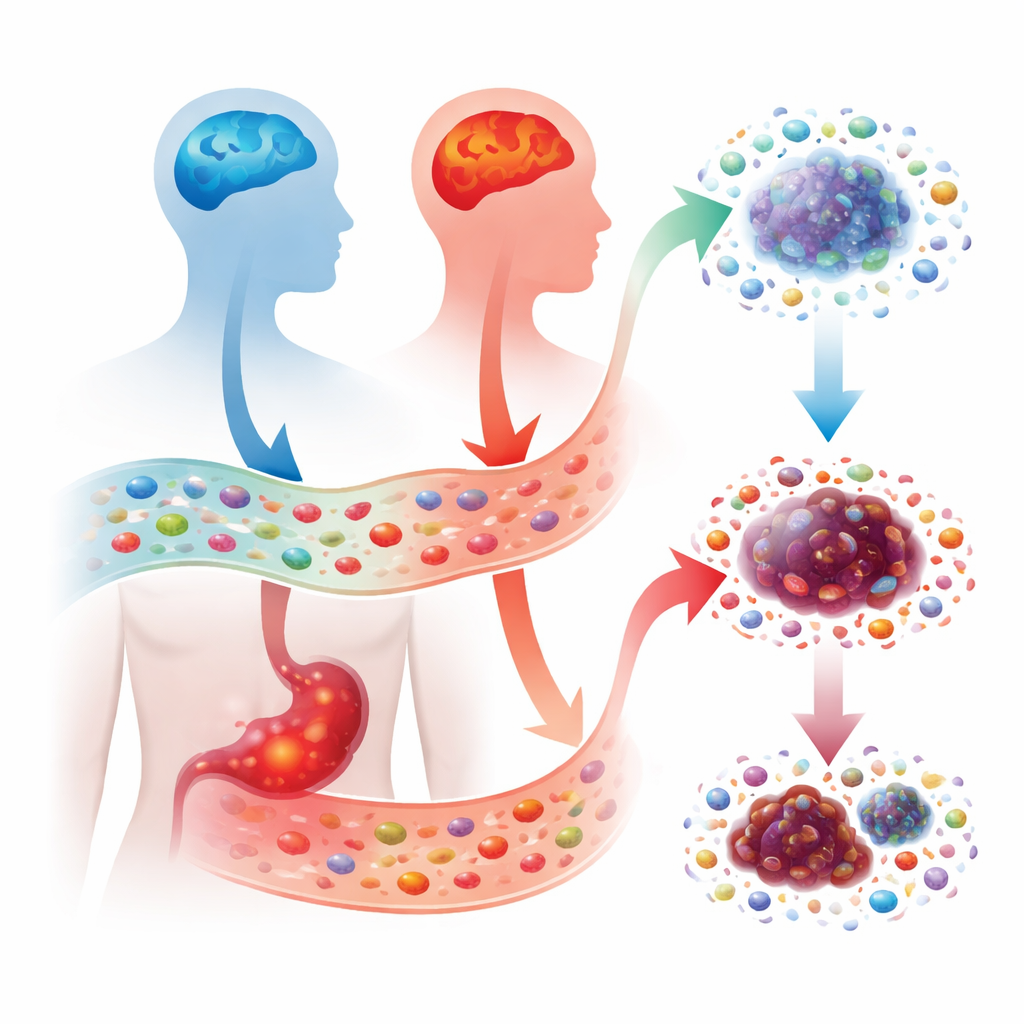
When people hear about cutting-edge cancer drugs, they usually think of genes, scans, and lab tests—not stress, sadness, or worry. Yet this study shows that how a person feels emotionally before starting immunotherapy for advanced stomach or esophageal cancer can strongly influence how well the treatment works. By tracking both patients’ emotional distress and simple blood markers of inflammation, the researchers reveal that mind and body are tightly linked in shaping cancer outcomes.
Connecting Stress, the Immune System, and Cancer Drugs
Immunotherapy drugs called immune checkpoint inhibitors aim to “release the brakes” on immune cells so they can better attack tumors. These medicines have changed the outlook for some patients with advanced gastroesophageal cancer, but only a minority enjoy long-lasting benefit. The team behind this study suspected that emotional distress—persistent symptoms of depression and anxiety—might blunt the immune system’s ability to respond to these drugs. They also focused on inflammation in the bloodstream, which can be measured using ratios of different blood cells, such as platelets, monocytes, and lymphocytes. These values, taken from routine blood tests, provide a low-cost window into how active or exhausted the immune system may be.
A Closer Look at Patients and Their Emotional Health
The researchers followed 84 adults in China with advanced, inoperable cancers of the esophagus, stomach, or the junction between them. None had received prior systemic treatment, and all were starting first-line immunotherapy, either alone or alongside chemotherapy. Before treatment began, each patient completed standard questionnaires that measure symptoms of depression and anxiety. Those whose combined scores met or exceeded a predefined threshold were classified as having emotional distress, while the rest formed the comparison group. At the same time, doctors drew blood samples to calculate several inflammation-related markers, and repeated these blood tests after two cycles of immunotherapy—about six weeks later.
How Emotional Distress Changed Treatment Outcomes
The contrast between emotionally distressed and non-distressed patients was striking. People with notable distress at baseline experienced cancer progression much sooner: their median time before the disease worsened was 7.8 months, compared with 14.0 months in those without distress. They were also far less likely to have their cancer controlled (meaning it shrank or at least did not grow) at one year. Even after accounting for age, cancer stage, treatment details, and other medical factors, emotional distress remained a powerful predictor of poorer outcomes. When the researchers looked separately at depression and anxiety, each on its own was also linked to shorter benefit from immunotherapy and lower rates of disease control, reinforcing the importance of psychological well-being.
What Blood Tests Revealed About Inflammation
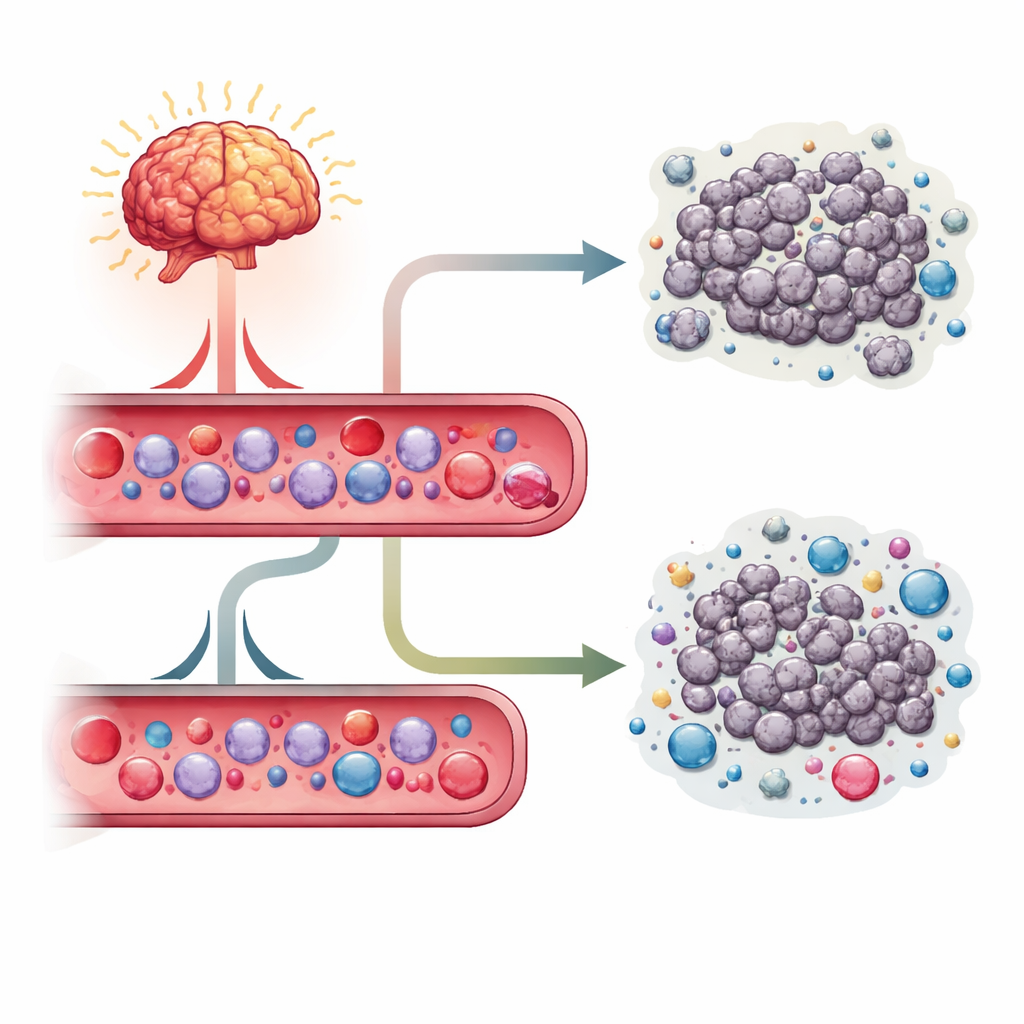
Beyond mood, certain blood markers helped explain why responses to immunotherapy differed so widely. Patients who entered treatment with a higher ratio of monocytes to lymphocytes—a sign of a more inflammation-skewed immune system—tended to fare worse. After treatment started, a high platelet-to-lymphocyte ratio and a high monocyte-to-lymphocyte ratio were both tied to shorter periods before the cancer progressed. In contrast, patients whose fraction of eosinophils, a type of white blood cell, rose substantially after treatment tended to have better outcomes. Importantly, when emotional distress and high inflammatory markers coexisted, the risk of cancer progression was particularly elevated, suggesting that psychological strain and inflammation can reinforce each other in undermining the benefits of immunotherapy.
Bringing Emotions and Lab Tests Into Everyday Care
Put simply, this study shows that advanced gastroesophageal cancer patients who begin immunotherapy while highly distressed and inflamed are less likely to see their disease controlled and more likely to relapse sooner. Because emotional distress can be identified with brief questionnaires and inflammation can be monitored through ordinary blood tests, the authors argue that both should become routine parts of cancer care. Screening for depression and anxiety could flag patients who might benefit from counseling or behavioral programs before and during treatment, while tracking key blood cell ratios could help doctors fine-tune care and follow-up intensity. Together, these mind-and-body measures could support more personalized use of immunotherapy—and ultimately improve both survival and quality of life.
Citation: Huang, R., Nie, G., Li, A. et al. Pretreatment emotional distress and peripheral biomarkers predict immune checkpoint inhibitor response in people with advanced inoperable gastroesophageal cancer. Commun Med 6, 154 (2026). https://doi.org/10.1038/s43856-025-01358-9
Keywords: emotional distress, gastroesophageal cancer, immunotherapy, inflammation biomarkers, psycho-oncology