Clear Sky Science · en
1,1-Diethoxyethane enhances aerobic respiration in human mitochondria via activation of AMP-activated protein kinase
From Wine Aroma to Heart Health
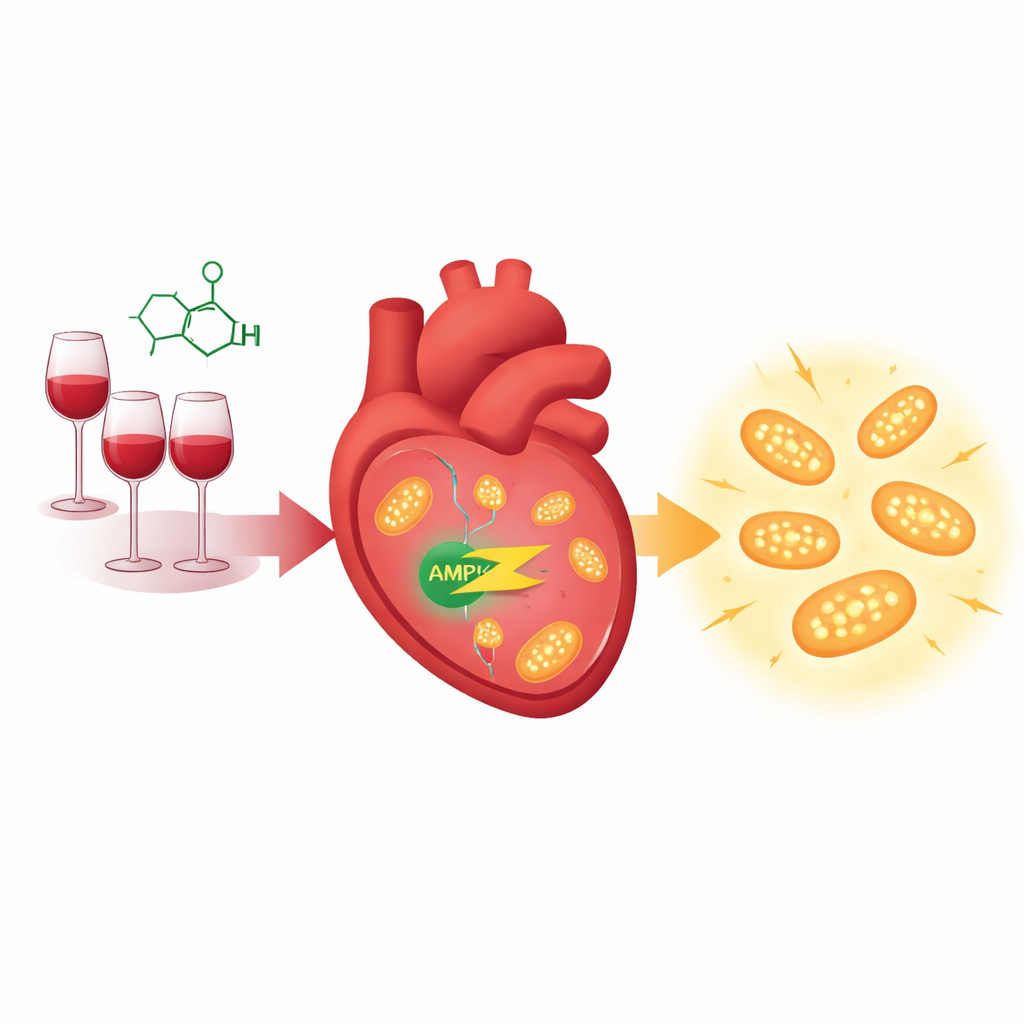
Many people have heard that moderate wine drinking may be good for the heart, but the reasons are usually pinned on famous ingredients like resveratrol. This study looks at a very different candidate: a fragrant compound called 1,1-diethoxyethane, responsible for some of wine’s fruity smell. The researchers show that this small molecule can nudge heart cells to burn fuel more efficiently by tuning a key energy sensor inside their power plants—mitochondria—hinting at a new way to support heart and metabolic health.
A Hidden Player in Wine’s Bouquet
Wines, especially certain sherries and aged rice wines, contain relatively high amounts of 1,1-diethoxyethane, long regarded mainly as a flavoring molecule. The authors wondered whether this overlooked aroma might also affect the body. They focused on AMPK, a master "fuel gauge" enzyme that switches cells from energy spending to energy saving when supplies run low. AMPK is known to protect the heart in conditions such as poor blood flow, thickened heart muscle, and disturbed heart rhythms. Because 1,1-diethoxyethane is common in alcoholic beverages and AMPK is so central to energy balance, the team asked: can this aroma compound switch on AMPK in human heart cells?
A Short Shock That Wakes Up the Cell
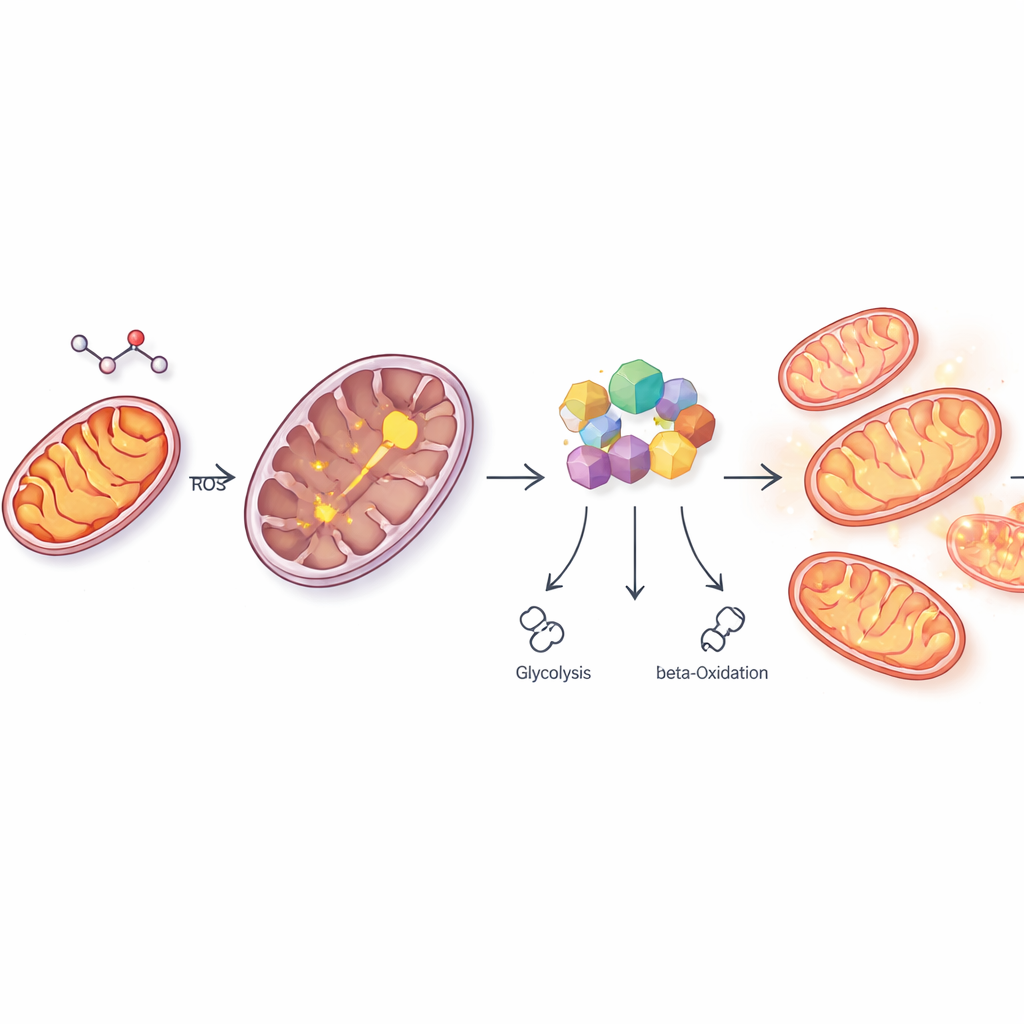
Using human heart-derived cells (AC16), the researchers measured how mitochondria consumed oxygen and how strongly the cells relied on sugar breakdown. A brief dose of 1,1-diethoxyethane caused both mitochondrial respiration and glycolysis to dip, lowering the cell’s energy output. Computer simulations suggested why: the molecule can lodge in a crucial region of mitochondrial complex I, a major entry point for electrons in the energy chain, temporarily slowing its activity. This short-lived slowdown reduced the cell’s ATP (its energy currency) and produced a pulse of reactive oxygen species, together acting as an internal alarm that quickly activated AMPK. A closely related chemical, 1,2-diethoxyethane, did not fit the same way into complex I and failed to trigger these changes, underscoring the specificity of the effect.
Rewiring How Fuel Is Burned
Once AMPK was switched on, the cells began to adjust their fuel use. The team observed increased tagging (phosphorylation) of two key enzymes: ACC, which controls fat synthesis, and PFKFB2, which shapes the pace of glycolysis. These modifications dampened fat building and favored fat breakdown, while also tuning sugar use, effectively shifting the heart cells toward more efficient energy extraction. When AMPK was blocked or genetically removed, these changes disappeared, showing that 1,1-diethoxyethane’s effects run through this energy-sensing hub. At the same time, the reactive oxygen burst from the transient mitochondrial slowdown activated NRF2, a major guardian of antioxidant defenses, helping the cell cope with the temporary stress.
Building Better Power Plants Over Time
Short-term stress was only part of the story. Over several hours, 1,1-diethoxyethane boosted the levels of PGC-1α and TFAM, two central regulators of mitochondrial biogenesis—the process of making new and healthier mitochondria. Heart cells exposed to the compound developed stronger mitochondrial membrane potential and higher amounts of proteins that form the respiratory chain, indicating more and better-functioning power plants. Longer exposure increased both oxygen consumption and glycolysis, suggesting that the cells emerged from the initial dip with a higher overall capacity to make ATP. In mice given the compound by mouth, heart tissue gene patterns also pointed to enhanced aerobic respiration and mitochondrial assembly, although full functional testing in whole animals remains to be done.
What This Could Mean for the Heart
Put simply, 1,1-diethoxyethane acts like a brief training exercise for heart cells: it momentarily strains their energy system, which flips on AMPK and related pathways, and the cells respond by upgrading their power plants and antioxidant defenses. The result is a sustained rise in mitochondrial activity and fuel-burning efficiency. While these findings come mainly from cell cultures, with early support from mouse heart gene data, they suggest that this once-overlooked wine aroma could form the basis of new therapies aimed at strengthening heart metabolism and preventing cardiovascular and metabolic diseases—without relying on alcohol itself.
Citation: Nguyen Huu, T., Duong Thanh, H., Kim, MK. et al. 1,1-Diethoxyethane enhances aerobic respiration in human mitochondria via activation of AMP-activated protein kinase. Commun Biol 9, 361 (2026). https://doi.org/10.1038/s42003-026-09797-3
Keywords: AMPK, mitochondria, wine aroma, cardiometabolism, aerobic respiration